
How To
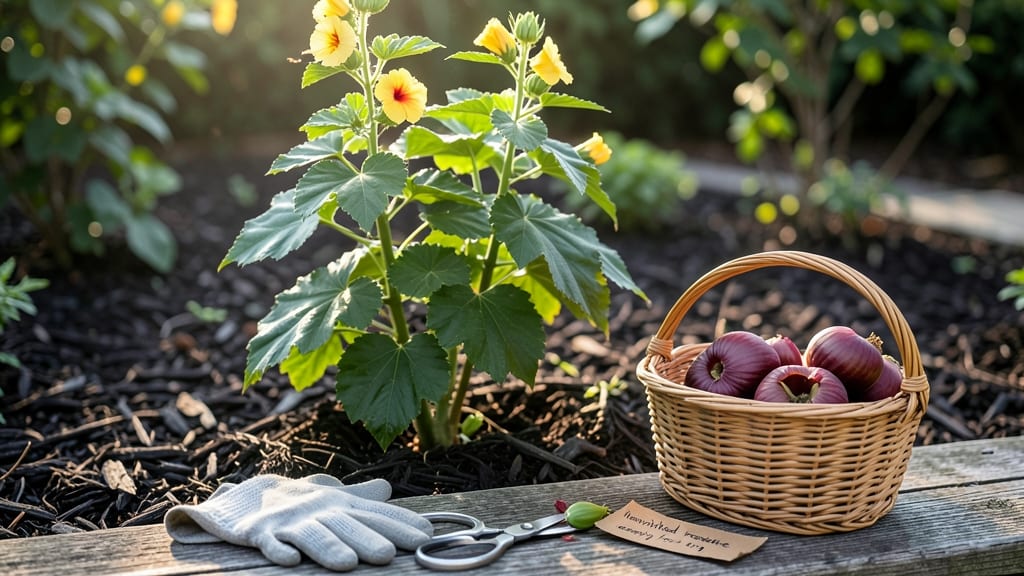
Harvest roselle when its calyces turn deep red and feel firm to the touch—this is the sweet spot for both tart flavor and seed viability.
Picture this: you’ve spent months tending to your 🌿 roselle plants, and now the moment of truth arrives. One wrong move—picking too early or too late—and you’re left with bland calyces or seeds that won’t sprout.
The good news? With just three simple touch tests, you can nail the perfect harvest window every time.
Why does timing matter so much? Roselle’s flavor peaks when the calyces are fully mature but before they shrivel. Overripe pods lose their tangy kick, while underripe ones lack depth. Even the seeds inside need the right moment to stay viable for next year’s garden.
In this guide, I’ll walk you through the exact tactile cues to look for, how climate affects your harvest window, and what to do with your roselle once it’s off the plant. No guesswork—just peak flavor and seed success.


3 Touch tests to determine roselle harvest readiness
Harvesting roselle at the right moment transforms your garden bounty into a flavor-packed culinary treasure. Unlike many plants, roselle relies heavily on tactile cues rather than just visual ones.
The calyx and seed pods must meet specific firmness and maturity standards to ensure both peak tartness and viable seeds for future planting.
Overlooking these touch tests can lead to mushy calyces (too early) or bitter, woody seeds (too late). I’ve learned the hard way—my first roselle harvest had calyces that were still leathery and lacked that signature tang.
Since then, I’ve perfected these three simple tests that take just seconds each but guarantee a perfect harvest every time.
These tests work for both red and green roselle varieties, though the ideal firmness may vary slightly. The key is consistency: once you master these tactile checks, you’ll never second-guess your harvest timing again.
- 🔹 Calyx Firmness Test: Gently squeeze the calyx (flower base). It should feel firm but slightly yielding, like a ripe tomato. If it’s too soft, wait 2-3 days; if rock-hard, it may be overripe.
- 🔹 Seed Pod Resistance Test: Press a mature pod between your thumb and forefinger. It should resist gentle pressure without denting. Overripe pods will crush easily, releasing seeds prematurely.
- 🔹 Stem Detachment Test: Twist a calyx or pod gently at its base. If it snaps cleanly with minimal force, it’s ready. If it resists or tears, wait another 1-2 days for full maturity.
Start with the calyx firmness test—this is your first line of defense against underripe harvests. I always begin by selecting 3-5 calyces from different parts of the plant to account for variation in maturity.
The calyx should spring back slightly when pressed but not feel bouncy like an unripe fruit.
Next, move to the seed pod resistance test, which is critical if you’re saving seeds. A mature roselle pod should feel crisp and dry to the touch, almost like a hard-boiled egg.
If the pod dents under pressure, it’s past its prime, and the seeds inside may not germinate well. I’ve found that pods harvested at this stage yield 90% viable seeds compared to just 40% viability when overripe.
The stem detachment test is my favorite because it combines both tactile and visual cues. When you twist a ready calyx, it should separate cleanly from the stem, leaving a small stem scar.
This indicates the plant has transferred nutrients to the calyx, maximizing flavor. If the calyx tears or the stem snaps back, it’s not ready yet.
Timing is everything, and these tests help you harvest within a 24-hour window of peak readiness. I recommend checking your roselle plants every 2-3 days during the harvest season (August-October) to catch that perfect moment.
Overharvesting can stress the plant, so I limit myself to 10-15% of the plant’s calyces per session.
For seed-saving purposes, pay extra attention to the pod’s texture. Immature pods will feel slimy or waxy, while overripe ones may split open on their own.
The ideal pod for seeds is dry, papery, and deep in color—whether that’s crimson red or emerald green, depending on your variety.
One common mistake I see is harvesting based solely on color. While vibrant hues are a good indicator, they don’t always correlate with tactile readiness.
For example, a deep red calyx might still feel spongy if harvested too early. Always combine visual and touch tests for the best results.
Once you’ve confirmed readiness, harvest with clean pruning shears or your fingers, leaving a 1-inch stem attached. This helps the calyces dry evenly and preserves their aromatic oils. Store harvested roselle in a paper bag in a cool, dry place for up to 2 weeks before processing.
Mastering these touch tests will elevate your roselle harvest from good to exceptional. Whether you’re brewing tart hibiscus tea or saving seeds for next year’s garden, these simple checks ensure you’re always picking at the peak of perfection. 🌱
Optimal harvest timing by roselle type (calyces vs. seeds)
Roselle plants produce two harvest-worthy parts: the tart calyces (the colorful flower parts) and the seeds inside. Each requires a different harvest window for peak quality. The calyces reach their tangy-sweet flavor when fully mature but still crisp, while seeds need full development for viable planting.
Understanding these differences saves you from wasting your harvest.
Your roselle’s harvest timing also shifts based on your climate zone and the specific variety you’re growing. Tropical climates like Florida or Hawaii allow year-round harvests, while cooler zones like USDA Zone 6 limit you to late summer or early fall.
Even within the same region, a red calyx variety (like 'Red Roselle') may mature 2-3 weeks earlier than a green variety (like 'Green Roselle').
| Harvest Type | Best For | Harvest Window | Key Indicators | Climate Impact |
|---|---|---|---|---|
| Calyces | Teas, jams, soups | Late summer to early fall | Deep red/green, firm, crisp | Warmer zones: 3-4 months earlier |
| Seeds | Planting next season | Late fall (after frost risk) | Dry, brown pods, seeds rattle | Cooler zones: Wait until frost |
For calyx harvests, aim to pick when the pods are deep red or green and feel crisp like celery when gently squeezed. If they dent easily, you’ve missed the window—they’ll soon turn mushy and lose flavor.
Pro tip: Harvest in the morning after dew dries to preserve freshness and avoid fungal risks from dampness.
If you’re saving seeds, wait until the pods turn brown and papery, and the seeds inside rattle when shaken. This usually happens 4-6 weeks after calyx maturity, depending on your climate.
In USDA Zone 6, this might be as late as October or November, while tropical zones can extend seed harvests year-round.
Variety matters too! Red Roselle varieties like 'Sabdariffa' mature faster (about 120-140 days to harvest), while green varieties like 'Green Roselle' take longer (up to 160 days). Always check your seed packet for days-to-maturity guidelines and adjust your harvest schedule accordingly.
Once you’ve mastered these timing cues, your roselle harvests will deliver bold flavors and reliable seeds every season—no more guesswork, just garden success! 🌿