
Picking
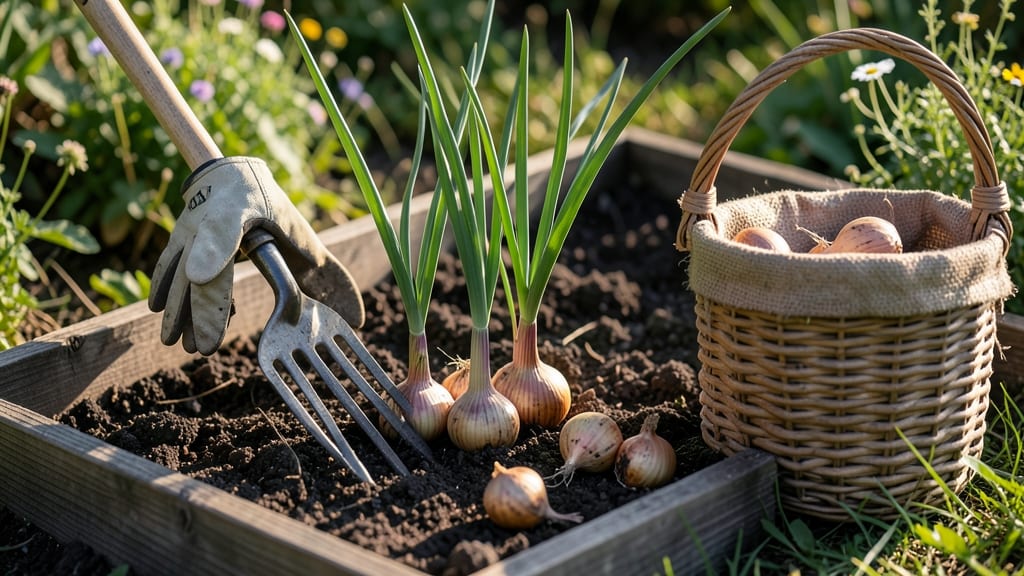
Harvesting shallots planted in spring at the right time unlocks their sweetest, most flavorful bulbs—miss the window, and you’ll end up with tough, pungent disappointment.
Timing your harvest perfectly ensures bulbs packed with sweet, pungent flavor—but miss the window, and you’ll end up with bitter, shriveled disappointment. For spring-planted shallots 🧅, knowing exactly when to dig matters more than you think.
Most gardeners in USDA Zone 6a can expect their shallots to reach harvest readiness between late August and early October, but the exact moment depends on leaf color, bulb size, and even your local weather patterns.
In this guide, I’ll walk you through the key signs to watch for—from yellowing tops to firm bulbs—and share month-by-month tips to ensure you harvest at peak flavor, whether you’re in a warm coastal area or a cooler inland region.


Shallot harvest timeline: month-by-month signs for spring planting
Spring-planted shallots follow a predictable growth cycle that peaks in late summer, but the exact harvest window depends on your climate zone and local weather patterns. Unlike fall-planted shallots, which often overwinter, spring-planted varieties mature faster—typically within 100-150 days—so timing is critical.
Miss the window, and you risk bulbs splitting or developing hollow centers, ruining their sweet, oniony flavor. The key is watching for leaf color shifts, bulb firmness, and soil conditions while aligning with regional frost dates.
Most gardeners in USDA Zones 5-8 (where spring planting is common) harvest shallots between late August and October.
However, early spring planters in warmer zones (like Zone 9) may start seeing harvest-ready signs as early as July, while those in cooler climates (Zone 4) might extend harvests into November if frost is delayed.
Your goal is to dig before the first hard frost (28°F or below), as cold temperatures trigger bulb dormancy and can damage tender leaves.
Below is your month-by-month harvest timeline, complete with visual cues and regional adjustments to help you predict the perfect digging window.
Pro tip: Keep a small garden journal to track your shallots’ progress—note when leaves first yellow, when bulbs reach 1-2 inches in diameter, and how long it takes from planting to harvest in your microclimate.
| Month | Visual Cues | Bulb Size | Harvest Window | Regional Notes |
|---|---|---|---|---|
| June | Leaves turn dull green; tops may flop slightly. | Bulbs ~½ inch diameter. | Not yet ready. | Early bloomers in Zone 9+ may show signs. |
| July | Lower leaves yellow; tops bend over. | Bulbs ~1 inch diameter. | Early harvest in warm climates. | Dig 1-2 weeks after yellowing starts in Zone 9-10. |
| August | 50% of tops yellow/brown; papery skin forms. | Bulbs ~1.5 inches diameter. | Prime harvest window for most regions. | Zones 5-8: Harvest late August to avoid frost. |
| September | Tops fully yellow/brown; dry and crisp. | Bulbs ~2 inches diameter. | Last chance before frost. | Zones 4-6: Harvest early September. |
| October | Tops shatter or freeze; bulbs shrink if left. | Bulbs may overmature. | Avoid—risk of splitting. | Only harvest if frost-free in Zone 7+. |
🌱 Pro Tip: Dig a test bulb in August to check size—if it’s <1 inch, wait 1-2 weeks.
For gardeners in cooler climates (Zones 3-5), extend your harvest window by using row covers or planting in raised beds, which warm soil faster. In these areas, aim to harvest by mid-September to avoid bulb rot from prolonged dampness.
Conversely, in hot, dry climates (Zones 9-10), shallots may mature faster—watch for leaf yellowing by July and harvest aggressively to prevent bolting (flowering), which reduces bulb quality.
Weather plays a surprising role in shallot maturity. A hot, dry spell in July can accelerate harvest readiness, while cool, cloudy summers may delay it by 2-3 weeks. Pay attention to soil moisture too: overwatered shallots develop soft, pithy bulbs, while drought-stressed plants produce small, tough ones.
Aim for consistent moisture (1 inch per week) without waterlogging, especially in the 4-6 weeks before harvest.
One common mistake is waiting until all tops are brown—by then, bulbs may have already split or gone dormant. Instead, harvest when 50-70% of leaves yellow and the bulb
How to test shallot maturity before harvesting (without guessing)
Testing shallot maturity doesn’t require guesswork—just a few simple checks. First, examine the leaf tops. When about 60% of the foliage turns yellow or brown, your shallots are nearing readiness. This happens naturally as the plant redirects energy from leaves to bulbs, a clear sign of maturity.
Next, check the bulb size by gently brushing away soil. Mature shallots should measure 1-2 inches in diameter, though some varieties like 'French Grey' stay smaller. If bulbs feel firm and well-rounded, they’re ready to harvest.
Don’t overlook the skin texture. A mature shallot develops a papery, tight skin that resists tearing. If you can see layers forming beneath the skin, your bulbs are perfect for picking.
⚠️ callout warning
Spring-planted shallots often confuse leaf yellowing with maturity—but if you dig when only 30% of tops turn brown, bulbs stay small and lack flavor. Wait until 60-70% of foliage yellows for peak sweetness. In USDA Zone 6a, this typically occurs 90-120 days after planting, but always verify with soil checks.
For extra precision, perform a soil resistance test. Gently wiggle a mature shallot—if it slides out easily without forcing, it’s ready. If the bulb resists, wait 3-5 more days before testing again. This method prevents overripe bulbs that split or rot.
Watch for weather triggers too. A light frost warning in late summer signals urgency—harvest before temperatures drop below 40°F, as cold damages bulbs. In warmer climates, wait until consistent daytime temps fall below 75°F to avoid heat stress.
If your shallots show uneven growth, like some bulbs maturing while others lag, troubleshoot by checking water consistency and nutrient levels. Overwatering or poor drainage can delay maturity, while balanced fertilizer (10-10-10) applied mid-season boosts even growth. Adjust care based on your soil’s response.
Once you’ve confirmed maturity, harvest on a dry, sunny morning to let bulbs cure naturally. Cure them in a shady, well-ventilated spot for 2-3 weeks before storing—this step enhances flavor and extends shelf life.