
How To
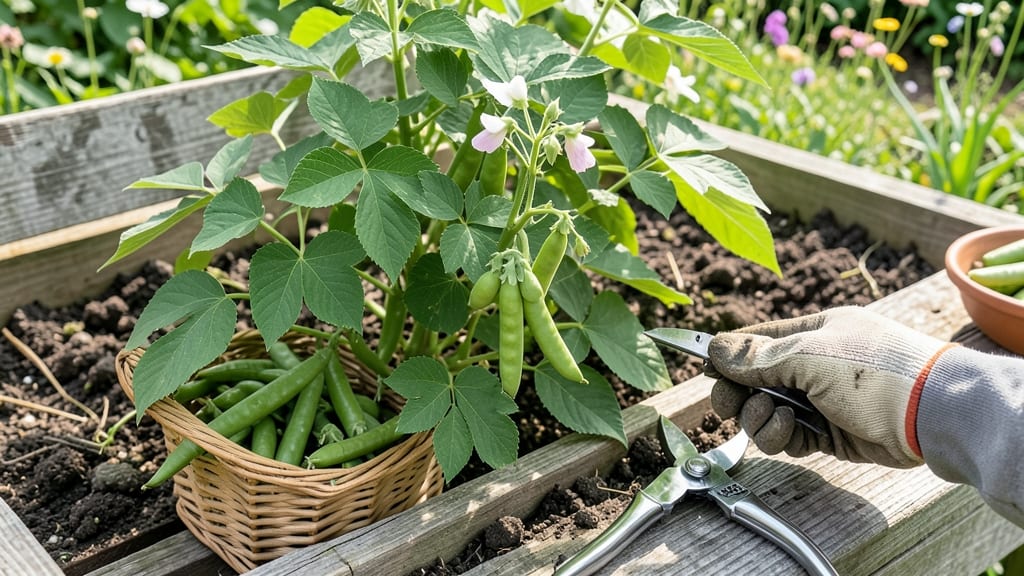
Harvest snap beans when the pods are 4-6 inches long, firm, and snap crisply like a whip — that’s the sweet spot between tender and tough.
Picking too early means tiny pods and wasted effort, while waiting too long turns them into woody sticks. I’ve made both mistakes, and the difference in flavor is night and day.
You’ll know they’re ready when the pods are glossy green, seeds are barely visible, and the stem snaps cleanly when bent. These cues ensure the best taste and texture for your garden harvest.
Below, I break down the exact signs to watch for, how often to pick for maximum yield, and what happens if you miss the window.


How to identify the perfect snap bean harvest time
There’s nothing worse than biting into a snap bean that’s tough and stringy instead of crisp and sweet. The secret? Harvesting at the exact right moment—when pods are plump, seeds are tiny, and stems snap like a whip.
I’ve learned the hard way that waiting even a day too long turns your harvest into woody sticks, while picking too early means missing out on flavor. Let’s break down the visual and tactile cues that guarantee perfect snap beans every time.
First, focus on pod size—this is your best indicator. Ideal snap beans should be between 4 to 6 inches long, depending on the variety. Some bush beans like ‘Blue Lake’ stay smaller (3-4 inches), while pole varieties like ‘Kentucky Wonder’ can stretch to 6 inches.
Measure a few pods to get a feel for what’s ready—your fingers are your best tool here. If pods are shorter than 3 inches, they’re still growing, and if they’re longer than 6 inches, they’ve passed their prime.
Next, check the seeds inside—this is where most gardeners go wrong. At the perfect harvest time, seeds should be tiny and invisible through the pod wall. If you can see seeds or they feel bulging when you gently squeeze the pod, it’s past its prime.
Over-mature beans develop large, hard seeds, and the pods turn fibrous. Pro tip: Hold a pod up to the light—if you can’t see the seeds, it’s ready. If you can, it’s too late!
The stem snap test is my favorite trick because it’s foolproof. Pinch a pod between your thumb and forefinger near the stem and give it a gentle bend. If it snaps cleanly with a crisp sound, it’s ready to harvest. If it bends without snapping or feels mushy, it’s underripe.
If it’s tough and resists bending, it’s overripe. This test works even in low light, making it perfect for early morning or cloudy days when color cues might be harder to judge.
Don’t overlook pod color, either. Fresh snap beans should be a vibrant, uniform green with a slight gloss. Dull or yellowing pods mean the bean is aging, while streaks of brown or black indicate disease or pest damage.
Some heirloom varieties like ‘Scarlet Runner’ have red or purple streaks when mature, but even then, the base color should remain bright. If your pods start fading to pale green or yellow, it’s time to harvest before flavor declines.
Timing matters too—always harvest in the morning when pods are at their crispest. The cooler temperatures overnight help lock in flavor and texture. Avoid harvesting after rain or in the heat of the day, as pods can become waterlogged or wilted.
I like to grab a basket and do a quick sweep of the plants every 2-3 days during peak production. This keeps the plants focused on producing more pods instead of letting them go to seed.
One common mistake is assuming all snap beans are ready at the same time. Pole beans and bush beans mature at different rates, and even within the same plant, some pods ripen faster than others. Check the plant regularly and pick selectively—this encourages continuous production.
If you notice pods starting to curl or dry out, that’s a sign the plant is done for the season or needs more water. Don’t ignore these cues; they’re your plant’s way of telling you it’s time to wrap up the harvest.
Finally, pay attention to the plant’s overall health. Healthy snap bean plants have dark green leaves and vigorous growth. If leaves start yellowing or wilting, it could mean the plant is stressed from over-maturity, disease, or poor soil.
In this case, harvest what’s left quickly and focus on preventing future issues. Remember, the goal is to balance harvest timing with plant care—neither should suffer for the other.
With these cues in mind, you’ll never miss the perfect moment to harvest snap beans again. The key is to combine visual checks (size, color) with tactile tests (stem snap, seed visibility) and timing (morning harvests).
Soon, you’ll be picking beans that are so crisp and sweet, they’ll make your garden the envy of the neighborhood. Happy harvesting!
Common mistakes that ruin snap bean harvest timing
Harvesting snap beans at the wrong time can turn your garden's bounty into a culinary disappointment. The most common mistake? Waiting too long until pods become tough and stringy. I’ve seen over-mature beans go from tender to nearly inedible in just a few days, losing all their crispness and sweetness.
On the flip side, picking too early means tiny, underdeveloped pods that won’t satisfy even the hungriest appetite. Both extremes waste your hard work and leave you wondering why your beans aren’t as delicious as they should be.
When snap beans develop visible seeds or turn dull green, they’ve passed their prime. Over-mature pods become woody and fibrous, with a bitter taste that’s hard to salvage. The seed development inside signals it’s time to pick—if seeds are bulging, the bean is past its peak.
Another frequent error is harvesting irregularly, which confuses the plant. Snap beans produce continuously, so skipping harvests can slow down new pod formation. I’ve noticed that plants left unattended for more than 3-4 days often produce fewer beans overall.
Even the time of day matters—picking in the morning ensures maximum crispness. Heat during the day can make pods limp and less flavorful. Always harvest when the pods are cool and dry for the best texture and taste.
Finally, some gardeners ignore the stem snap test, a foolproof way to check readiness. A crisp, clean break means the bean is perfect; a dry or fibrous snap means it’s overripe. This simple trick saves countless ruined harvests.
By avoiding these common mistakes, you’ll enjoy sweet, crisp snap beans all season long—no gardening regrets required. 🌱