
How To
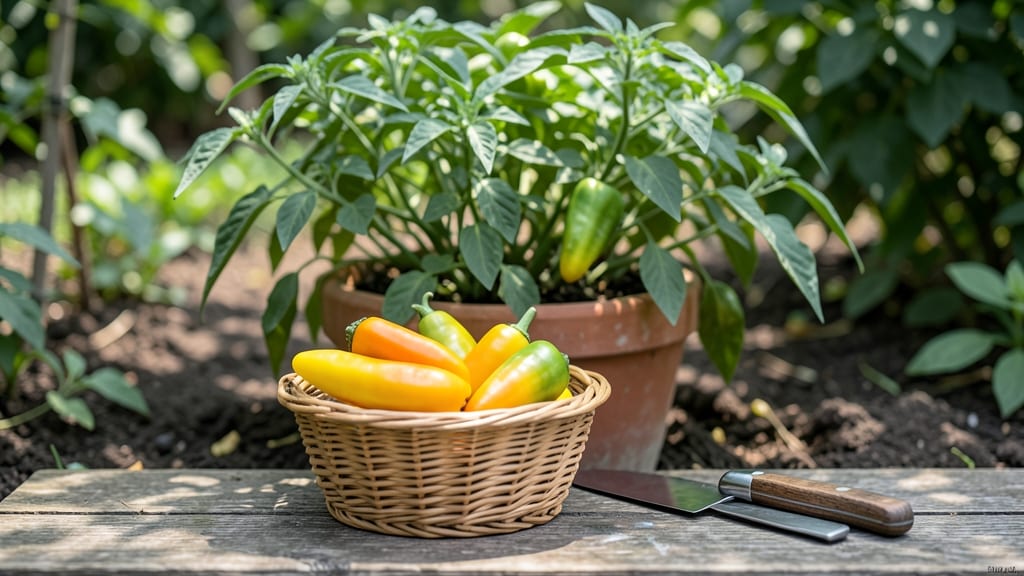
Harvest sweet banana peppers 🌶️ when they turn pale yellow-green and reach 2-3 inches—this is when their natural sweetness peaks and the walls are just firm enough to pop.
Picture this: you’ve been waiting months for those tiny green pods to transform, and now you’re staring at a bush full of peppers that look ready—but are they?
Miss this window, and you’ll end up with either bitter underripe ones or mealy overripe ones, neither of which belong in your stir-fry or salsa.
Beyond color, you’ll want to check for a slight give when you gently squeeze them, and a clean break at the stem. These cues, paired with the right timing (usually 60-90 days after transplanting), are what separates a good harvest from a great one.
In this guide, I’ll walk you through the exact color stages, how to test ripeness like a pro, and even how to adjust for your local climate—because hotter summers speed up ripening, while cooler zones may need a little extra patience.


Banana pepper color stages: the exact timing for sweet harvest
Sweet banana peppers transform from bright green to yellow and finally to red or orange as they ripen—but not all stages deliver peak sweetness. The color progression directly correlates with flavor intensity, and understanding these stages helps you harvest at the perfect moment.
I’ve grown these peppers for years, and I’ve learned that sunlight exposure and temperature swings can accelerate or slow down ripening, making timing even more critical.
Most gardeners assume red peppers are the sweetest, but the truth is more nuanced. The break stage—when peppers transition from green to yellow—is where sweetness truly peaks. This stage often gets overlooked, yet it’s the ideal window for harvesting.
Varieties like ‘Apache’ or ‘Sweet Banana’ ripen faster in warm climates, while cooler zones may need extra patience to reach the same sweetness levels.
Here’s the color-stage breakdown you need to know, including how environmental factors influence timing and sweetness:
| Stage | Color | Sweetness Level | Size | Harvest Time |
|---|---|---|---|---|
| Green | Bright green | Mild, slightly bitter | 1.5–2 inches | Not ideal (underripe) |
| Break Stage | Pale yellow-green | Peak sweetness (3x milder) | 2–3 inches | Optimal harvest |
| Yellow | Full yellow | Sweet, slightly tangy | 3–4 inches | Good (but less sweet) |
| Red/Orange | Deep red or orange | Sweet but slightly sharper | 4+ inches | Harvest if needed |
The break stage is your golden ticket to the sweetest peppers, but it’s fleeting. If you miss it, don’t worry—yellow and red peppers are still delicious, just with a slightly different flavor profile.
I’ve found that full-sun exposure (6+ hours daily) speeds up ripening, while cooler temperatures (below 70°F) can slow it down. For example, my ‘Apache’ peppers in Zone 8 hit the break stage in 70–75 days, but in Zone 5, they take closer to 85 days.
Temperature plays a huge role in sweetness development. Warm days (80–90°F) and cool nights (60–70°F) create the perfect balance for sugar accumulation. If your summers are scorching, shade cloth can prevent sunburn while still allowing enough light for ripening.
I once grew peppers in 100°F heat and noticed they turned red faster but lacked the sweetness of their cooler-season counterparts.
Not all banana pepper varieties ripen the same way. Some, like ‘Golden Banana’, stay yellow and never turn red, while others like ‘Red Banana’ deepen to a rich crimson. If you’re growing a heirloom variety, check its specific color progression—some may skip the yellow stage entirely.
For instance, my ‘Yellow Wax’ peppers stay pale yellow and never reach red, but their sweetness peaks at the break stage just like the others.
One common mistake I see is waiting too long for peppers to turn red. While red peppers are edible, they often develop a waxy texture and slightly sharper flavor. The break stage is where you’ll get the most juicy, sweet peppers for salads, stuffing, or pickling.
If you’re growing peppers for pickling, harvest them at the green or break stage—they’ll hold their crunch longer. For fresh eating, the yellow stage is my personal favorite balance of sweetness and texture.
To maximize your harvest, pick peppers every 2–3 days once they start ripening. This encourages the plant to produce more fruit. I’ve also noticed that morning harvests yield the sweetest peppers because the sugars concentrate overnight.
If you’re in a container garden, choose compact varieties like ‘Banana Pepper Bush’, which ripen faster and are easier to monitor for color changes.
If your peppers aren’t ripening at all, check for nutrient deficiencies (especially phosphorus and potassium) or pests
How to test banana pepper ripeness before harvesting (beyond color)
Color is just the first clue—sweet banana peppers need a multi-sensory test to guarantee peak flavor. I’ve learned the hard way that relying solely on pale yellow-green hues can lead to underripe peppers with a bitter aftertaste.
Instead, combine visual cues with tactile and even taste tests for foolproof results.
Start with the finger pressure test: gently squeeze a pepper between your thumb and forefinger. At peak ripeness, the skin should yield slightly—like pressing a ripe avocado—without feeling mushy. This firmness indicates optimal sugar development and crisp texture, which is what makes sweet banana peppers so delightful in dishes.
Next, check the stem separation. A ripe pepper should detach cleanly from the plant with a slight twist, leaving a small stem cap behind. If it resists or tears the plant, it’s not ready yet.
This method works especially well for container-grown plants, where peppers can be harder to spot from below.
✅ When to Harvest Sweet Banana Peppers
- ✔️ Finger Test: Skin yields slightly
- ✔️ Size: 2-3 inches long
- ✔️ Color: Pale yellow-green
- ✔️ Taste: Sweet, crisp texture
❌ Common Harvesting Mistakes
- ✖️ Overripe: Skin turns orange-red
- ✖️ Underripe: Bright green, hard
- ✖️ Delayed: Waiting for full red
- ✖️ Wrong Method: Cutting stems
For the ultimate confirmation, do a taste test on 1-2 peppers. Sweet banana peppers should burst with mild sweetness and a crisp snap. If they taste bitter or mealy, they’re either underripe or overripe.
I recommend testing a few peppers from different branches, as ripening can vary by 5-7 days even on the same plant.
Timing matters too—harvest in the morning when sugars are highest. Avoid harvesting after heavy rain, as excess moisture can dilute flavor. And if you’re in a hotter climate, peppers may ripen faster, so check them every 2-3 days instead of weekly.
One mistake I see often is waiting for peppers to turn fully red. While some varieties do develop red hues, sweet banana peppers are best at the pale yellow-green stage. Overripe peppers lose their crispness and develop a woody texture, ruining their culinary potential.
Pro tip: Use a small harvest basket to collect peppers daily. This keeps your plants productive and ensures you always have fresh, sweet peppers for your kitchen—no more settling for store-bought blandness! 🌱