
How To
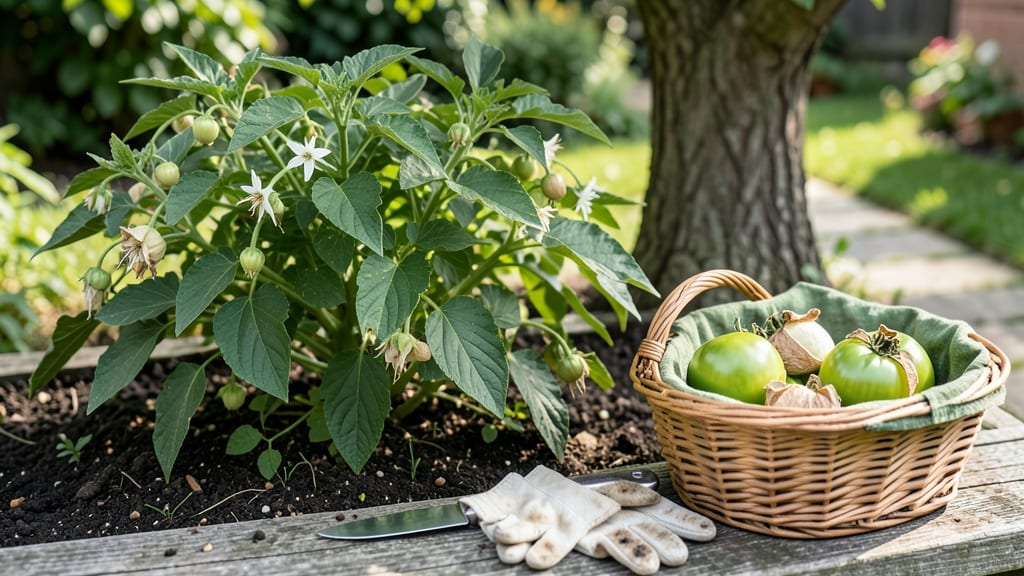
Harvesting tomatillos at the perfect time means capturing their signature tangy flavor—before they turn bitter or mealy.
Picking too early? You’ll get a bland, underdeveloped taste. Wait too long, and the fruit becomes tough and overripe. But how do you know when those 🌱 tomatillos are truly ready? The answer lies in three simple visual cues that most gardeners miss.
In USDA Zone 6a, where tomatillos thrive from April through May planting, the harvest window runs from July to September. That’s when you’ll spot the telltale signs: a firm, papery skin, husks starting to dry, and a size of about 1-2 inches in diameter.
These clues don’t just guarantee flavor—they also keep your salsa, soups, and stews bright and vibrant.
Below, I’ll walk you through the exact steps to check ripeness without cutting into them, plus how to store your harvest so it stays fresh for weeks. No more guesswork—just perfect, tangy tomatillos every time.


3 Visual cues to identify perfectly ripe tomatillos
Picking tomatillos at the right moment transforms your dishes from bland to bursting with flavor. The key lies in three simple visual cues that reveal when these green husk-covered fruits are at their peak.
Unlike tomatoes, which soften as they ripen, tomatillos stay firm but develop subtle changes in husk color, size, and skin texture that signal readiness.
I’ve harvested tomatillos for years in USDA Zone 6a, and these three signs never fail me. They’re your shortcut to avoiding the bitter, mealy flavor that comes from harvesting too late—or the underdeveloped taste of picking too soon.
Master these cues, and you’ll know exactly when to pluck them for the best salsa verde, soups, or stews.
Here’s what to look for—without ever cutting into them:
🌱 Numbered Highlights: How to Spot Perfectly Ripe Tomatillos
- 📏 Size: 1-2 inches in diameter
- 🌿 Husk color: Drying at the edges (turns tan or brown)
- 🤲 Firmness: Papery skin that resists gentle pressure
The size is your first clue. When tomatillos reach 1-2 inches in diameter, they’ve developed their signature tangy flavor. Anything smaller is still developing, while larger ones risk becoming tough or bitter. I measure mine against a quarter for a quick reference—if it’s bigger than that, it’s time to harvest.
Next, check the husk. A ripe tomatillo’s husk will start drying at the edges, turning tan or light brown. This is nature’s way of telling you it’s time to pick.
If the husk is still fully green and crisp, give it another week. But if it’s completely dry or falling apart, you’ve missed the window—the fruit inside will be overripe and mealy.
Finally, test the firmness. A perfectly ripe tomatillo has a papery skin that feels slightly rough to the touch. Gently squeeze it—it should hold its shape without feeling mushy.
If it gives slightly, it’s still firming up. If it feels soft or squishy, it’s past its prime. This tactile check is my favorite trick because it’s foolproof.
Pro tip: Harvest on a dry morning after the dew has evaporated. This prevents the husks from sticking to the fruit, making them easier to peel later. Store them in a paper bag in the fridge for up to 2 weeks, or freeze them whole for longer storage.
Now that you know these three cues, you’ll never second-guess when to harvest again. The next time you spot those green husks in your garden, just check the size, husk color, and firmness. Your salsa verde will thank you!
Why overripe or underripe tomatillos ruin your dishes (and how to avoid it)
Your tomatillos can make or break a dish—and it all comes down to timing. When harvested too early, they lack the bright tanginess that defines their flavor, leaving you with a bland, almost flavorless pulp.
On the flip side, overripe tomatillos develop a bitter, mealy texture that ruins even the best recipes. The difference between a perfect harvest and a ruined batch often comes down to understanding these three stages: green (unripe), ripe, and overripe.
In my garden, I’ve seen firsthand how a single day’s delay can turn a promising harvest into a culinary disappointment. The key is recognizing the subtle shifts in color, texture, and size that signal when tomatillos are at their peak.
These changes aren’t always obvious, but once you learn to spot them, you’ll never second-guess your harvest again.
🌱 Pros & Cons: Harvesting Tomatillos at Different Stages
🟢 Green (Unripe)
- Pros: Firm texture, easy to peel
- Cons: Bland flavor, underdeveloped tang
🟡 Ripe
- Pros: Perfect tangy flavor, firm yet tender
- Cons: Requires precise timing to catch
🟤 Overripe
- Pros: None (unless you love mealy texture)
- Cons: Bitter taste, tough and dry
An unripe tomatillo (smaller than 1 inch, fully green husk) will taste like nothing more than a mild, watery vegetable. The flavor compounds haven’t fully developed, so even if the texture is firm, your salsa verde will lack that signature zing.
I’ve made this mistake more times than I’d like to admit—especially when I was eager to harvest early in the season.
When tomatillos reach ripeness, they strike the perfect balance. The husk begins drying at the edges, turning tan or light brown, while the fruit itself stays uniformly green and firm.
This is the sweet spot for flavor, where the tanginess is at its peak. If you harvest at this stage, your dishes will shine with that unmistakable tomatillo brightness.
But wait too long, and you’ll end up with an overripe tomatillo. The husk becomes completely dry or even crumbly, and the fruit inside turns pale or uneven in color.
The texture shifts from firm to mealy, and the flavor becomes bitter—a far cry from the tangy goodness you’re after. Overripe tomatillos are still edible, but they’re best suited for cooking down in soups or stews where their flaws can be masked.
To avoid these pitfalls, I recommend harvesting every 2-3 days during peak season (July-September in Zone 6a). This keeps your tomatillos at their best and prevents overripeness.
Store them in a paper bag in the fridge to slow down ripening, and always check for the papery skin and drying husk before picking. With these tips, you’ll never ruin a dish with a poorly timed harvest again.