
How To
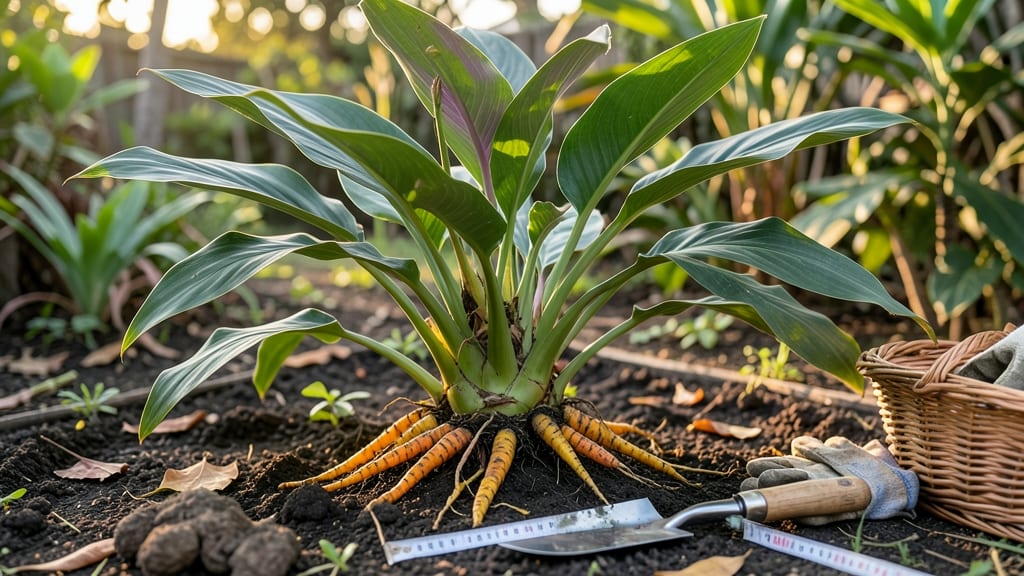
Harvesting turmeric at the right time means the difference between a mild, pale root and one packed with bold, golden flavor.
Timing your harvest wrong can turn your 🌿 turmeric into a disappointment—no matter how much care you’ve put into growing it. The key? Watching for those telltale signs of maturity: when leaves yellow and die back, and the rhizomes swell to a thumb-sized plumpness.
In USDA Zone 6a, that window typically opens in late September, just before the first frost, but tropical climates may extend it into November. Below, I’ll walk you through the exact visual cues—from leaf color to root size—and how to avoid the two biggest harvesting mistakes.
You’ll leave here knowing exactly when to dig, how to store your harvest for maximum freshness, and even how to replant for a continuous supply. No more guessing—just flavor-packed, vibrant turmeric every season.


How to determine turmeric root size for harvesting
Harvesting turmeric at the right size ensures bold flavor and vibrant color. The key lies in the rhizome diameter, which should match your finger size for peak potency.
Smaller roots yield less intense flavor, while overripe rhizomes lose their quality. Let’s break down the exact size benchmarks and when to stop waiting for larger harvests.
For most gardeners, harvest-ready turmeric rhizomes should measure between 1 to 1.5 inches in diameter. This matches the size of your thumb or index finger when wrapped around the root.
Think of it as the "goldilocks zone"—not too small, not too large, but just right for maximum flavor and color intensity.
If your rhizomes are still smaller than a pencil (about 0.5 inches), they’re not ready. Waiting longer won’t magically improve flavor—it’ll just make the roots tougher and less vibrant.
On the flip side, if they exceed 2 inches in diameter, they’ve likely passed their prime, resulting in duller color and milder taste.
Here’s a quick visual guide to help you gauge size without digging up every root prematurely. Most gardeners harvest when 70-80% of the rhizomes meet the ideal size, leaving a few smaller ones to mature for next season.
🌱 Turmeric Root Size Comparison Table
| Size Category | Diameter | Finger Benchmark | Harvest Status | Flavor & Color |
|---|---|---|---|---|
| Too Small | < 0.5" | Pencil-sized | Not Ready | Mild, pale |
| Ideal Size | 1.0" - 1.5" | Thumb/Index Finger | Perfect! | Bold, vibrant |
| Overripe | > 2.0" | Two Fingers | Past Prime | Dull, weak |
💡 Pro Tip: Use a ruler or caliper for precision if your rhizomes are close to the ideal size.
In temperate climates, aim to harvest turmeric before the first frost, typically between September and November. If you’re in a tropical region, roots can mature year-round, but they’ll still peak in size during the dry season.
The key is to prioritize rhizome size over waiting for an arbitrary date.
If your turmeric plants are smaller than expected, check your growing conditions. Poor drainage, excessive shade, or nutrient deficiencies can stunt rhizome growth. Amend your soil with compost and ensure 6-8 hours of sunlight daily. In containers, use a well-draining potting mix to prevent waterlogged roots.
For continuous harvests, leave a few smaller rhizomes in the ground. These will regrow next season, producing even larger roots. Label your plants to track their growth cycles—this helps you plan for year-round harvesting in warm climates.
Just remember: harvest when 70% of roots hit your finger-size benchmark, not when you’re impatient for a bigger yield.
Once you’ve confirmed the right size, dig carefully to avoid damaging the rhizomes. Use a fork or trowel to loosen the soil around the base, then gently lift the plant.
Shake off excess dirt and rinse the roots under cool water. Let them dry in a shady, well-ventilated area for 3-5 days before storing.
Overharvesting can weaken your turmeric plants, so balance your needs with future growth. If you’re growing turmeric for commercial use, stagger your harvests by leaving some roots in the ground while digging up others. This ensures a steady supply without compromising plant health.
🌱 Remember: The best time to harvest isn’t about waiting for the "perfect" size—it’s about balancing root diameter, seasonal timing, and plant health. With these benchmarks, you’ll always know when to dig up those golden roots for maximum flavor and color.
Foliage and plant health indicators for perfect harvest timing
Your turmeric plant speaks volumes through its leaves and stems—if you know what to listen for. The moment the leaves begin yellowing from the bottom up, it’s your first sign that the rhizomes below are reaching peak maturity.
In USDA Zone 6a, this typically happens in late September, but tropical climates may see this shift as early as August or extend into November.
Don’t wait until the leaves are completely brown and crispy—that’s a missed harvest window. Instead, watch for 50-70% leaf yellowing combined with a noticeable slowdown in new growth. This is when the rhizomes are at their most flavorful and potent, packed with the golden compounds that make turmeric so valuable.
🌿 Key Foliage & Health Signs for Harvest Timing
- 🟡 Yellowing leaves (50-70%) – Bottom leaves first, progressing upward
- ⏳ Slowed top growth – New shoots appear less frequently
- 🤏 Firm rhizomes (thumb-sized) – Dig up a test root to check
- 🌡️ Cooler temps (50-70°F) – Ideal for rhizome maturation
- 🌧️ Reduced rainfall – Drier conditions signal harvest time
💡 Pro Tip: In tropical zones, harvest when leaves yellow and daytime temps drop below 85°F for 2+ weeks.
Temperate climates like Zone 6a demand extra vigilance—first frost can arrive by late October, so harvest before temperatures dip below 40°F. Tropical growers, however, can often extend harvests into December by providing partial shade during peak heat.
Always prioritize rhizome firmness over leaf color alone—soft roots mean the plant hasn’t fully matured.
One common mistake? Harvesting based solely on plant age. While turmeric typically matures in 9-10 months, environmental factors like soil fertility or water availability can accelerate or delay this timeline.
That’s why I always recommend the leaf + rhizome test: dig up one rhizome to check size and color before committing to a full harvest.
Pay attention to the stem base too—when it begins to dry out slightly and pull away from the soil, it’s another clear signal. This happens naturally as the plant redirects energy to the rhizomes.
Combine these cues with your local seasonal calendar, and you’ll never miss the perfect harvest window again.
For continuous harvests in warm climates, you can replant rhizome pieces after your initial harvest—just ensure they’ve fully cured first. In cooler zones, save some rhizomes for next spring’s planting to enjoy fresh turmeric year after year.