
How To
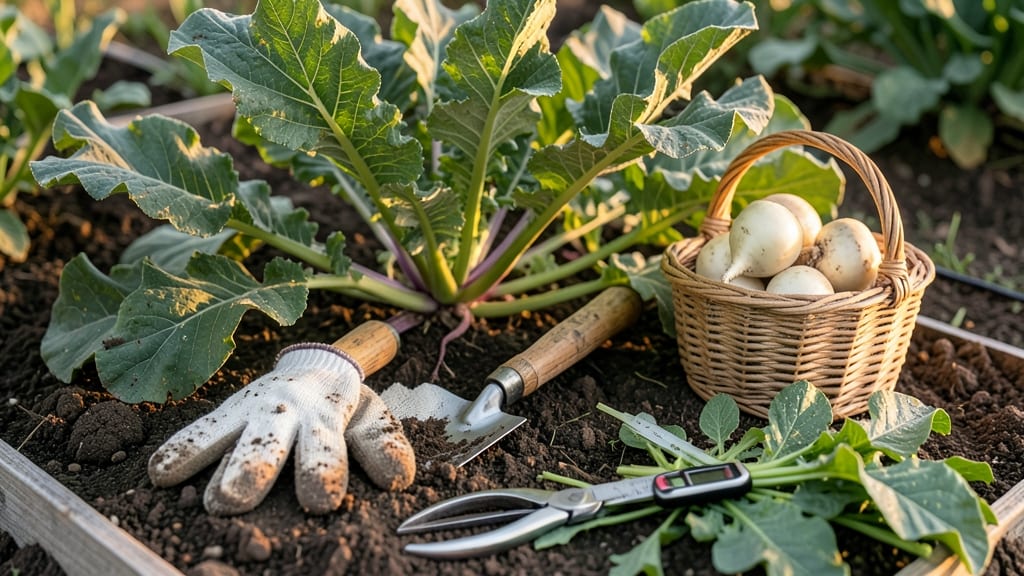
Harvest turnips when they reach 2-3 inches in diameter—about 45 days after planting—for the crispest, sweetest flavor 🥕. Too early, and they’re tough; too late, and they turn bitter or woody. The secret? A simple finger-press test that tells you exactly when to pull them.
Picture this: you’re checking your spring crop in Zone 6a, and the leaves start yellowing just as the roots hit your target size. That’s your cue—ignore it, and you’ll miss the window between May and June (or October-November for fall harvests) when turnips are at their peak.
But here’s the catch: timing isn’t just about size. Soil temperature, variety, and even rainfall play a role. Storage turnips like Purple Top White Globe need extra care, while greens-focused types like Tokyo Cross can be harvested earlier.
I’ll break down the exact signs to watch for—plus how to store them so they stay fresh for weeks.
Ready to go from guesswork to foolproof harvesting? You’ll learn the finger-press trick, common mistakes that ruin flavor, and how to adjust for your climate. Let’s get those turnips out of the ground at the perfect moment.


How to use the finger-press test for perfect turnip harvest timing
Harvesting turnips at the right moment transforms them from bland to crisp, sweet, and tender. The finger-press test is my go-to method for determining peak harvest time.
Unlike guessing by days or size, this tactile approach accounts for soil conditions, temperature fluctuations, and variety-specific traits—all factors that affect flavor and texture.
Turnips thrive in cool weather (50-65°F), but their maturity timeline varies based on your climate zone. In USDA Zone 6a, spring turnips typically reach harvest readiness in 45-60 days, while fall varieties may take slightly longer due to shorter daylight.
Understanding these seasonal cues helps you avoid the pitfalls of over- or under-mature roots.
Before diving into the finger-press test, let’s clarify the ideal harvest window. Most turnip varieties are ready when roots reach 2-3 inches in diameter—about the size of a small potato. However, leaf color and plant vigor are equally important indicators.
Yellowing outer leaves or slightly wilted foliage signal that the plant is redirecting energy to root development, a clear sign it’s time to harvest.
Step-by-Step Finger-Press Test for Turnip Harvest Timing
- Step 1: Choose a mature-looking turnip with roots 2-3 inches wide. Gently brush away excess soil to expose the root.
- Step 2: Press your fingertip firmly (not too hard) into the turnip’s skin near the crown. Pay attention to how it resists pressure.
- Step 3: If the skin gives slightly but doesn’t dent deeply, the turnip is ready to harvest. It should feel firm like a ripe avocado, not hard or spongy.
- Step 4: Check the leaf attachment point. If the outer leaves are yellowing or wilting while inner leaves stay green, harvest immediately to preserve sweetness.
- Step 5: For fall turnips, repeat the test 2-3 weeks before first frost (around October 30 in Zone 6a). Cold snaps can toughen roots, so act fast if frost is forecasted.
One common mistake is relying solely on root size or days since planting. For example, a Tokyo Cross turnip might reach 2 inches in 30 days, while a Purple Top White Globe could take 60 days.
The finger-press test accounts for these varietal differences by assessing internal firmness, which is directly tied to flavor.
Soil temperature also plays a crucial role. Turnips grown in cooler soils (below 60°F) develop sweeter roots faster than those in warmer conditions. If your garden soil is consistently above 70°F, your turnips may bolt (send up a flower stalk) before reaching ideal size.
In such cases, use shade cloth or plant in partial shade to slow growth and maintain crispness.
Pro tip: Harvest turnips on a dry, sunny morning to minimize soil clinging to roots. Use a garden fork to loosen the soil around the root before pulling gently.
This reduces damage and makes post-harvest cleaning easier. Store harvested turnips in a cool, humid environment (32-40°F) for up to 2 weeks to retain their crunch and sweetness.
If you wait too long, turnips become woody and pithy, losing their signature tenderness. On the flip side, harvesting too early results in small, bland roots that lack the depth of flavor you’re after.
The finger-press test bridges this gap by combining visual and tactile cues for a foolproof method.
For gardeners in warmer climates (Zones 7-10), consider growing heat-tolerant varieties like Shogoin or Hako. These varieties mature faster and handle slightly warmer soils better, making them ideal for extending your harvest season.
Always pair variety selection with the finger-press test to ensure you’re harvesting at the absolute peak.
Remember, the finger-press test isn’t just about timing—it’s about respecting the plant’s natural rhythms. By tuning into these subtle cues, you’ll enjoy turnips that are crisp, sweet, and bursting with flavor, straight from your garden to your table. Happy harvesting! 🥕
Common mistakes that ruin turnip flavor and how to avoid them
Harvesting turnips at the wrong time can turn your crisp, sweet roots into tough, bitter disappointments. The most common mistake? Pulling them too early or too late. Too early, and you get small, underdeveloped roots.
Too late, and they become woody or pithy—completely ruining texture and taste. Even experienced gardeners fall into these traps, especially when juggling spring and fall harvests in Zone 6a.
Another silent flavor killer? Ignoring leaf signals. Those yellowing edges or wilted tops aren’t just nature’s way of saying "I’m done"—they’re your harvest cue. Many gardeners focus only on root size and miss this critical visual clue.
And let’s not forget soil moisture mistakes. Too much water makes roots spongy; too little stresses the plant, leading to bitter flavors. Balancing these factors is key to perfect turnips.
Let’s start with the biggest offender: overharvesting. When you pull turnips too frequently, you stress the plant and stunt future growth. This is especially true for storage varieties like Purple Top White Globe, which need time to mature fully.
I’ve seen gardeners harvest every few days, thinking it encourages more production—only to end up with a dozen tiny, flavorless roots instead of a few perfect ones.
On the flip side, underharvesting leads to even bigger problems. Leaving turnips in the ground past their prime causes them to bolt or develop a woody core. This happens faster in hot weather, so fall harvests in October-November require extra vigilance.
I once let my turnips sit too long in late October, and by the time I noticed, they were the size of baseballs—hard as rocks and inedible.
⚠️ When to Harvest Turnips: Critical Warning Signs
Don’t wait until it’s too late! Harvest turnips when:
- 🥕 Roots reach 2-3 inches in diameter (small potato size)
- 🌿 Leaves yellow slightly at the edges (not fully wilted)
- ✅ Skin feels firm but yields slightly to gentle finger pressure
Warning: If roots exceed 3 inches, they’ll become woody and pithy—ruining flavor!
Soil moisture is another sneaky culprit. Overwatering causes turnips to split or develop soft spots, while underwatering stresses the plant, leading to bitter flavors. The solution? Maintain consistent moisture—about 1 inch of water per week—and avoid waterlogging.
In my garden, I use drip irrigation to keep moisture even, especially during spring’s unpredictable rains and fall’s drying winds.
Here’s my top tip: Harvest in the morning after the dew has dried. This ensures the roots are crisp and fresh. I also recommend using a sharp garden fork to loosen the soil before pulling, which prevents damage to the roots.
And if you’re growing turnip greens, harvest the outer leaves first to encourage more growth—just don’t pull the whole plant!
By avoiding these common mistakes, you’ll enjoy turnips that are crisp, sweet, and full of flavor—not tough or bitter. Pay attention to those leaf signals, time your harvests carefully, and keep the soil just right. Your taste buds (and dinner table) will thank you! 🥕