
How To
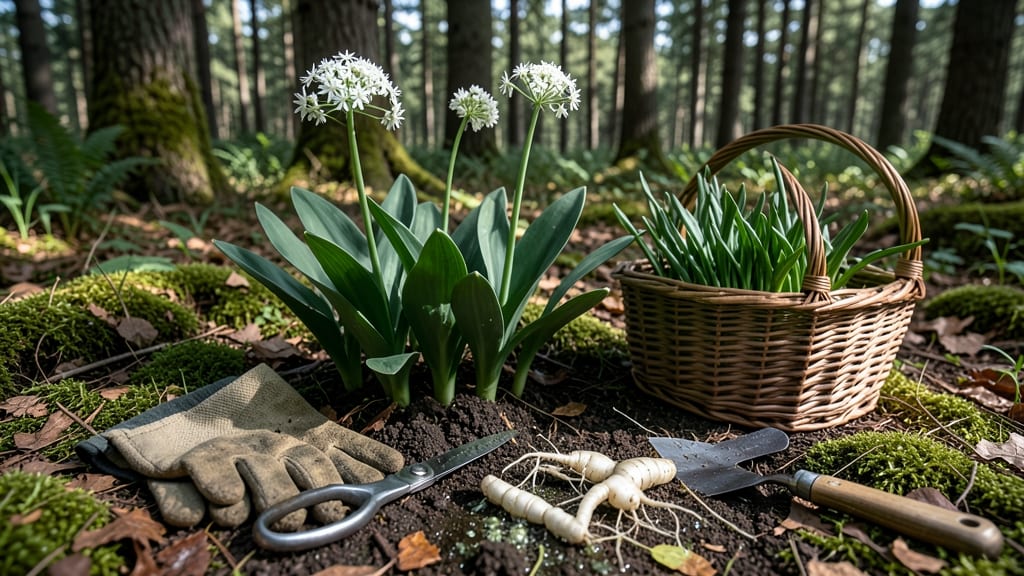
Harvesting wild garlic at the right time ensures its bold, pungent flavor stays at its peak 🧄—and missing the window means bitter leaves or wasted effort.
Picture this: you’ve spent weeks waiting for your wild garlic patch to thrive, only to pull up a handful of weak, flavorless stems.
The key is knowing when those leaves shift from bright green to a deeper hue, or when the bulbs smell like garlic when crushed—not before the plant is ready.
In this guide, I’ll walk you through the visual cues (leaf color, stem snap tests) and seasonal timing that guarantee a harvest bursting with flavor.
Whether you’re foraging in spring or late summer, you’ll learn how to avoid common mistakes that ruin the taste—and how to store your harvest so it stays fresh for months.
Ready to turn your wild garlic patch into a flavor powerhouse? Let’s dive into the exact signs that tell you it’s time to harvest—before the flowers even appear.


How to identify wild garlic’s perfect harvest time using leaf color & stem tests
Wild garlic thrives in spring’s early warmth, but knowing exactly when to harvest can transform your harvest from mild disappointment to bold, aromatic perfection. The secret lies in two simple clues: leaf color shifts and a stem snap test.
These indicators reveal whether your wild garlic is ready to pick or still maturing.
Most foragers focus on leaf height, but the real magic happens when you combine visual cues with a tactile check. Early spring harvests (March-April) rely on leaf color intensity, while late spring (May-June) demands attention to stem firmness and flower development.
Weather plays a role too—cool, wet springs delay maturity by 10-14 days compared to dry, sunny seasons.
Here’s the game-changer: a two-step verification system that eliminates guesswork. First, observe the leaf color gradient—healthy plants shift from deep green to slightly bluish-green at the edges.
Then, perform the stem snap test by pinching a stem between your fingers. If it snaps cleanly with a crisp resistance, it’s harvest-ready.
| Harvest Stage | Leaf Color | Stem Test | Best Time |
|---|---|---|---|
| Early Spring (March-April) | Bright green, no yellowing | Bends but doesn’t snap | Not ready |
| Peak Harvest (April-May) | Bluish-green edges, deep centers | Snaps crisply with resistance | Ideal harvest |
| Late Spring (May-June) | Yellowing tips, wilting | Softens easily, no snap | Past prime |
| Flowering Stage | White flower stalks appear | Bulbs can still harvest | Last chance for bulbs |
For early spring harvests (March-April), prioritize leaf color uniformity. Look for plants where the entire leaf is a vibrant, even green—no streaks or browning. This indicates the plant has completed its first growth flush and stored enough energy in its bulbs for a bold flavor.
In late spring (May-June), the stem snap test becomes your best friend. Gently pinch the base of a healthy-looking stem near the soil. If it snaps with a clean break and releases a sharp garlic scent, you’ve hit the peak harvest window.
If it bends or feels mushy, wait 3-5 more days.
Weather dramatically shifts harvest timing. After prolonged rain, wild garlic grows slower, delaying maturity by up to two weeks. In contrast, dry, sunny spells accelerate growth—watch for yellowing leaves as an early warning sign of over-maturity.
Always harvest on dry mornings to preserve leaf integrity and flavor intensity.
Pro tip: Harvest leaves in the morning when essential oils are at their peak. Use clean, sharp scissors to cut stems at the base, leaving 1-2 inches of growth to encourage regrowth. For bulbs, dig carefully in late spring when leaves begin yellowing—this ensures maximum aromatic potency.
Never harvest after flowering if you want leafy greens, as the plant redirects energy to bulb production. The exception is digging bulbs—once flowers appear, the bulbs are at their most flavorful, though leaves will be less vibrant.
Store harvested wild garlic in paper bags in the fridge for up to two weeks to maintain freshness.
Remember: Patience pays off. Wild garlic harvested at the wrong time tastes mild and grassy instead of pungent and complex. Master these visual and tactile cues, and you’ll always know when to pluck the perfect aromatic prize from your garden or foraging spot. 🌿
Wild garlic harvesting mistakes that ruin flavor (and how to avoid them)
Harvesting wild garlic at the wrong time can turn your prized foraged bounty into a bitter disappointment. I’ve seen gardeners pull up wild garlic too early, leaving the bulbs underdeveloped, or wait too long, turning the leaves woody and flavorless.
The key is recognizing the visual and tactile cues that signal peak harvest readiness.
One of the biggest mistakes is harvesting after the plant flowers. Once those purple-white blooms appear, the leaves lose their potency, and the bulbs start to weaken. Even worse, cutting stems too short—below the soil line—stresses the plant and reduces next year’s harvest.
Let’s fix these common errors so your wild garlic stays flavorful and vibrant.
⚠️ Harvest Wild Garlic BEFORE It Flowers
The #1 flavor-ruining mistake is waiting until flowers appear. By then, the leaves become woody and bitter, and the bulbs lose their pungent aroma. Instead, harvest when:
- Leaves reach 6-12 inches tall and are deep green (not yellowing).
- Stems snap cleanly when bent (not mushy or hollow).
- Bulbs smell strongly of garlic when crushed (if digging).
Another critical error is ignoring leaf discoloration. Yellowing leaves aren’t always a sign of readiness—they can also indicate nutrient deficiency or disease. Healthy wild garlic leaves should stay bright green until just before flowering.
If you notice spotting or wilting, it’s a red flag to check for pests or overwatering before harvesting.
To preserve that fresh-picked flavor, store your harvest properly. Bundle stems with a rubber band and hang them upside down in a cool, dark place for 1-2 weeks to dry.
For bulbs, cure them in a shady spot for 3-4 days before storing in a mesh bag in the fridge. This keeps them crisp and potent for months.
Pro tip: If you’re digging bulbs, use a fork or trowel to avoid damaging the roots. Leave the smallest bulbs in the ground—they’ll regrow into larger harvests next season. And always harvest on a dry day to prevent soil from sticking to the leaves, which speeds up spoilage.
By avoiding these mistakes, you’ll ensure your wild garlic stays bold, fresh, and full of flavor—ready to elevate any dish. Next time you’re in your garden, take a closer look at those leaves and stems. They’re whispering exactly when it’s time to harvest! 🌿