
Vegetables
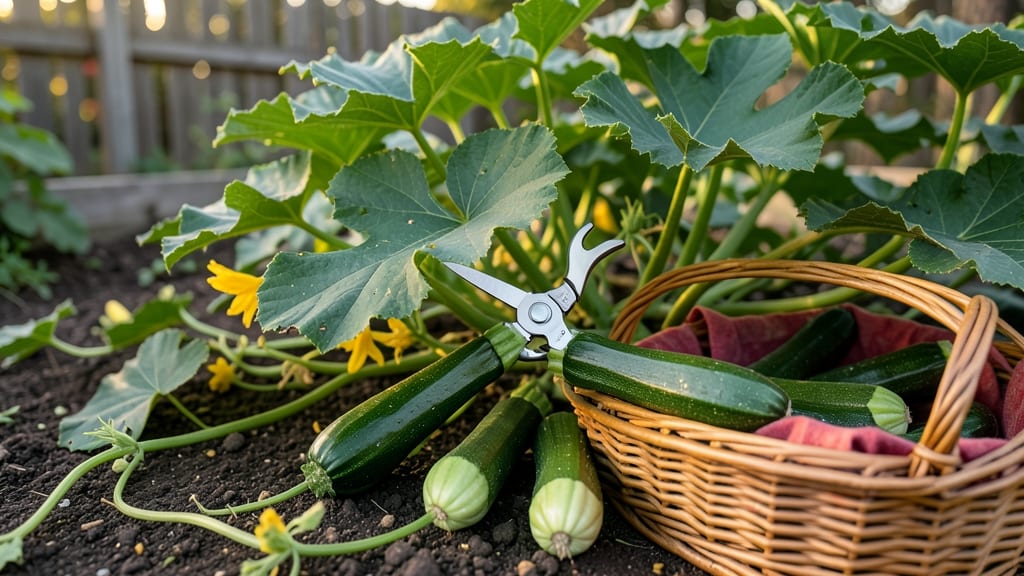
Harvest zucchini squash when they’re 6–8 inches long and the skin yields slightly to gentle pressure—this is the sweet spot for tender, flavorful 🎃.
Picture this: you’ve been checking your plants daily, only to find your zucchini growing overnight into something the size of a baseball bat. That’s the classic sign you missed the window—and now you’re stuck with tough, seedy squash that’s more suited for baking than fresh eating.
Here’s the secret: the fingerprint test (press your thumbnail—if it leaves a slight dent, it’s ready) combined with a few other simple cues can save you from the "zucchini shock" of overgrowth.
I’ll walk you through exactly what to look for, plus how to handle those 8-inch monsters if you’ve already let them get away.
You’ll also learn why color matters (hint: it’s not just about green), how to store your harvest, and the one mistake even experienced gardeners make—so you can avoid it and enjoy homegrown zucchini at its peak every time.
How to use the fingerprint test for zucchini harvest timing
Harvesting zucchini at the perfect moment transforms your garden into a flavor factory—but timing is everything. The fingerprint test is my go-to trick for determining peak ripeness without guessing. This simple method combines texture, color, and size cues into one foolproof check.
When done right, you’ll avoid the pitfalls of overripe (woody) or underripe (bland) squash, ensuring every bite is tender and sweet.
The fingerprint test works because zucchini skin thickens and seeds harden as they mature. A gentle thumb press reveals the ideal harvest window—when the skin yields slightly but doesn’t dent. This method also accounts for varietal differences (green, yellow, or striped), so it’s universally applicable.
Whether you’re a first-time gardener or a seasoned pro, mastering this test will maximize your yield and minimize waste.
-
Step 1: Check Size
Hold the zucchini in your hand. The ideal length is 6–8 inches. Smaller than 5 inches? Wait a few days. Longer than 9 inches? You’ve missed the window. -
Step 2: Inspect the Blossom End
Look at the yellowing stem end (blossom end). If it’s still green, the squash isn’t ready. A dry, yellowish end signals peak ripeness. -
Step 3: Perform the Fingerprint Test
Press your thumbnail firmly into the skin. If it leaves a slight dent but doesn’t puncture, it’s perfect. No dent? Wait 1–2 days. Deep indentation? You’ve waited too long. -
Step 4: Test the Stem
Gently bend the stem. It should snap cleanly (not tear). A fibrous break means the squash is overripe and tough. -
Step 5: Verify Color
The skin should be deep and even (dark green, yellow, or striped, depending on variety). Pale or uneven patches indicate immaturity.
The fingerprint test isn’t just about size—it’s about texture and tenderness. When you press your thumbnail and feel slight resistance but no give, that’s the sweet spot. This texture indicates the cell structure is firm yet succulent, not fibrous.
Overripe zucchini develops a woody core and large seeds, which dominate the flavor. The test also helps you harvest consistently, encouraging your plant to produce more fruit.
Why does this method work scientifically? As zucchini mature, their cell walls thicken and starch converts to sugar. The fingerprint test measures this change in skin firmness. When the skin yields slightly, the flesh is at its peak tenderness.
This is also when the seeds are small and edible, adding a subtle nutty flavor. Waiting longer hardens the seeds and turns the flesh grainy.
Pro tip: Pair the fingerprint test with a visual color check. Mature zucchini develop a rich, uniform hue—no streaks or pale spots. For yellow varieties, the skin should be a golden hue with no green undertones.
Striped varieties like ‘Costata Romanesco’ should show bold, defined stripes. These visual cues confirm the fingerprint test’s results.
Timing your harvest also depends on your climate and variety. In hotter regions, zucchini can ripen faster (50–60 days), while cooler climates may take 65–75 days. Always check the seed packet for variety-specific guidelines.
For example, ‘Black Beauty’ (green) and ‘Gold Rush’ (yellow) follow similar fingerprint cues, but ‘Patio Star’ (bush type) may need harvesting slightly earlier due to its compact growth.
Once you’ve mastered the fingerprint test, you’ll notice your zucchini plants thrive with regular harvests. Removing ripe squash signals the plant to produce more, preventing overcrowding and disease. Store harvested zucchini in a cool, dark place (like a pantry) for up to 5 days.
For longer storage, wrap them in a damp paper towel and refrigerate. But remember: freshness is key—the sooner you use them, the better the flavor!
If you miss the harvest window, don’t panic. Overripe zucchini can still be used in baked goods or soups, but their texture and taste won’t match peak-season perfection. The fingerprint test isn’t just a trick—it’s a gateway to consistent harvests and garden success.
With practice, you’ll harvest like a pro, turning your garden into a zucchini powerhouse.
Zucchini size and color chart: when to harvest for best results
Harvesting zucchini at the right moment transforms your garden’s bounty from mealy and seedy to tender and sweet. The key lies in combining size measurements, color cues, and the fingerprint test—a trick I’ve used for years to nail the perfect harvest window.
Most varieties hit their prime between 4–8 inches, but color and texture tell the real story.
Color isn’t just about bright green—it’s about consistency and depth. Yellow or striped varieties like ‘Golden Zucchini’ or ‘Patio Star’ turn a richer hue when ready, while classic green types develop a matte, deep green finish.
Overgrowth? That’s when your squash turns woody, bitter, and seedy, turning your dinner plans upside down.
For green varieties, aim for 6–8 inches with a matte, deep green finish. The fingerprint test is your best friend here: press your thumbnail into the skin. If it leaves a slight dent but doesn’t puncture, it’s ready.
Yellow types like ‘Golden Zucchini’ should be 5–7 inches with a rich golden hue—harvesting earlier prevents them from turning mealy.
Striped varieties like ‘Patio Star’ are best picked smaller (4–6 inches) because their walls thicken quickly. Their vibrant stripes deepen as they mature, but waiting too long turns them fibrous and tough.
I’ve learned the hard way—once I let a striped zucchini grow to 10 inches, and it was inedible!
If you’ve missed the window and your zucchini has grown beyond 8 inches, don’t panic. These can still be used for baking or roasting, where their woody texture softens.
But for fresh eating, focus on consistent harvesting to keep your plants producing. I pick mine every 2–3 days during peak season to avoid this exact problem.
Pro tip: Check the blossom end (where the stem meets the squash). When it turns yellowish, that’s your final cue. Pair this with the size and color chart above, and you’ll never waste another zucchini again. Happy harvesting! 🎃