
How To
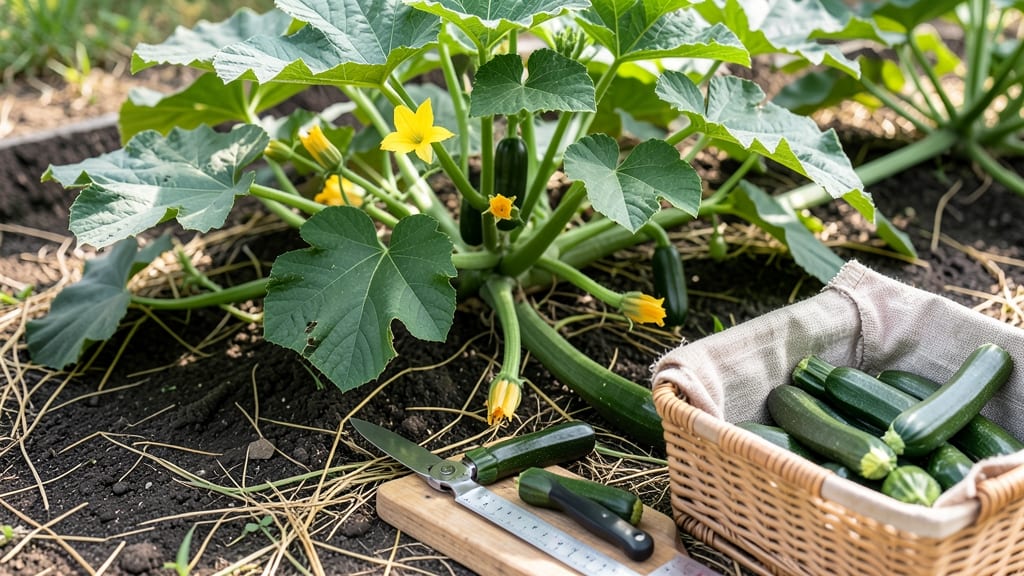
Harvesting zucchini at the right time turns your garden’s bounty into tender, flavorful veggies 🎃—and missing these key signs means tough, seedy, or bitter squash before you know it.
Picture this: you’ve been checking your plants daily, but one morning, you glance over and find a foot-long monster where a perfect 6-inch zucchini should be. That’s the moment you realize timing matters more than you thought.
Here’s the good news: zucchini gives you clear signals when it’s ready—size, skin firmness, and color all play a role. In USDA Zone 6a, that means watching for ripe squash between July and September, but the real trick is reading the plant’s cues, not just the calendar.
Below, I’ll walk you through the three foolproof signs to harvest at peak flavor, plus how to avoid common mistakes that turn your garden into a zucchini jungle. No more guesswork—just perfect squash every time.


3 Exact visual signs your zucchini is ready for harvesting
Harvesting zucchini at the perfect moment transforms your garden into a flavor factory. But timing is everything—wait too long, and you’ll get tough, seedy squash. Check these 3 foolproof visual cues to ensure you pick your zucchini when it’s at its peak.
I’ve learned the hard way that ignoring these signs leads to overgrown monsters that take over your garden! The key is acting fast once you spot these signals.
First, let’s address the biggest mistake I see: harvesting based on days after planting. While zucchini typically matures in 40-70 days, environmental factors like temperature and sunlight can shift that window dramatically.
Instead, focus on these visual maturity indicators that never lie. Your zucchini will thank you with tender flesh and fewer seeds.
Here’s the game-changer: these 3 exact visual signs will have you harvesting like a pro in no time. No more guesswork, no more bitter surprises—just perfect zucchini every time.
🌱 Numbered Highlights: When to Harvest Zucchini
-
📏 Size: 6-8 inches long
Zucchini should be smooth and cylindrical, never lopsided or misshapen. Measure from blossom end to tip—anything shorter than 6 inches is still growing, while over 8 inches means it’s past prime.
-
🤏 Skin Texture: Slight give when pressed
Press your thumbnail into the skin near the blossom end. If it dents slightly but doesn’t spring back, it’s ready. A hard, firm squash needs more time, while a soft, mushy feel means you’ve waited too long.
-
🎃 Color: Deep, consistent green (no yellowing)
Look for a uniform dark green color with no yellowing at the blossom end. A yellow stem end when cut is a classic sign of readiness. Avoid pale or striped zucchini—they’re either underripe or overripe.
⚠️ Pro Tip: Harvest in the morning when zucchini is cool and crisp. This is when the skin texture test works best!
Now that you know the visual cues, let’s talk about what happens if you miss these signs. I’ve seen gardeners pull zucchini that’s foot-long monsters because they waited for "the perfect time." By then, the flesh is woody, seedy, and bitter.
The good news? Zucchini plants are prolific producers—once you master these signs, you’ll have a steady supply of perfect squash all season.
Here’s another trick I use: check the stem. When you’re ready to harvest, gently bend the stem near the fruit. If it snaps cleanly (not tears), that’s your green light. This method works especially well for bush varieties that produce squash close to the ground.
For vining types, watch for the first female flowers—they’ll drop their petals, and within 48 hours, you’ll see baby zucchini forming.
Don’t forget about seasonal timing. In cooler climates, zucchini matures slower, so you might need to wait an extra week. In hotter regions, they can go from flower to harvest in just 5 days.
That’s why these visual signs are your best friend—they adapt to your climate automatically. Pay attention to the blossom end too: if it’s starting to yellow or shrivel, your zucchini is overripe.
One more critical piece of advice: harvest consistently. Zucchini plants produce new flowers daily, and each one can turn into another squash. If you let just one or two get too big, the plant will stop producing new flowers.
It’s like a feedback loop—keep up with harvesting, and your plant will keep giving you perfect zucchini all season.
Finally, let’s talk about what to do with overripe zucchini if you miss the window. Don’t toss it! Overripe zucchini makes great zucchini bread (yes, I know it’s not cooking, but it’s a gardener’s secret), or you can peel and slice it for stir-fries.
The key is to act fast—once zucchini turns yellow or develops a hard rind, it’s time to pick or compost.
Master these 3 visual signs, and you’ll never have another zucchini disaster in your garden again. The next time you’re standing in your garden holding a squash, just ask yourself: Is it 6-8 inches?
Does it dent slightly? Is it deep green? If the answer is yes to all three, grab those pruners or a sharp knife and harvest like a pro! 🎃
How to harvest zucchini without damaging the plant (step-by-step)
Harvesting zucchini correctly keeps your plants producing more fruit and ensures tender, flavorful squash. The key is using the right cutting technique and timing to avoid stressing the vine.
Twisting or pulling zucchini can damage the plant and reduce future yields, so I’ll show you the pro method that gardeners swear by.
Overripe zucchini can become woody and bitter, but even worse, it signals the plant to stop producing. By following these steps, you’ll encourage continuous harvests all season long. Plus, I’ll share my go-to trick for handling those giant zucchini that sneak up on you when you’re not looking!
Step-by-Step Harvesting Guide
- 1 Choose the right zucchini: Pick fruits that are 6-8 inches long with a deep green color and slightly yielding skin when pressed.
- 2 Use sharp pruning shears: Grab a clean, sharp pair of pruning shears or a sharp knife to make a clean cut. Avoid tearing the stem.
- 3 Cut at the stem base: Hold the zucchini firmly and cut 1/4 inch above the stem where it attaches to the vine. This prevents disease from spreading.
- 4 Remove overripe zucchini: If you spot a giant zucchini (10+ inches), harvest it immediately to prevent plant stress. Use it in baking or freezing to avoid waste.
- 5 Harvest every 2-3 days: Check your plants daily during peak season. Frequent harvesting encourages more fruit and keeps zucchini at their sweetest.
After harvesting, I always sterilize my tools with rubbing alcohol to prevent the spread of bacterial wilt or powdery mildew. A quick wipe-down between plants keeps your garden healthy. If you’re dealing with overripe zucchini, don’t toss them—try roasting, grilling, or pickling to make the most of your harvest!
Pro tip: Harvest in the morning when zucchini is cool and crisp. This ensures the best flavor and texture for your meals. Plus, it’s a great way to start your day with a fresh garden task that keeps your plants thriving.
With these steps, your zucchini plants will stay productive all season, and you’ll always have a steady supply of tender, homegrown squash. Happy harvesting!