
Vegetables
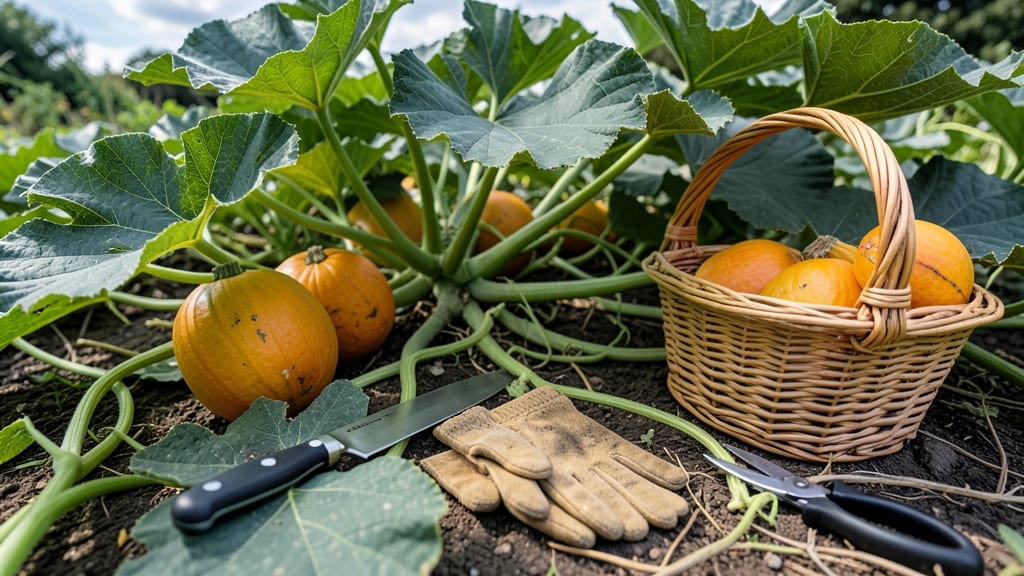
Harvesting acorn squash at the right time 🎃 means the difference between a sweet, nutty flavor and a tough, bland disappointment — and it all comes down to watching for these key signs.
Picture this: you’ve nurtured your plants all summer, and now the vines are yellowing while the squash still looks underripe. That’s the moment you need to act, because once frost hits, your harvest is ruined.
The secret? Knowing when the rind hardens, the color deepens, and the stem shrinks just enough to tell you it’s time.
In USDA Zone 6a, that window opens in late September and closes by October, when temperatures drop and frost risk rises.
But even before the calendar, your squash will signal readiness with a few telltale changes — like a skin that resists your thumbnail and a weight that feels surprisingly heavy for its size.
Below, I’ll walk you through the exact visual cues to watch for, how to adjust for your local climate, and the simple post-harvest steps that keep your squash fresh for months. No more guesswork — just perfect timing and flavor.
How to identify the perfect acorn squash harvest time by stems and skin
Timing your acorn squash harvest correctly ensures maximum sweetness and optimal texture. Unlike pumpkins, these squash don't need to sit on the vine forever—overripe acorn squash becomes tough and loses flavor. The key lies in observing three critical visual cues: stem shrinkage, skin hardness, and color changes.
I’ve learned that ignoring these signs often leads to disappointing harvests, so let’s dive into what to watch for.
First, focus on the stem. When acorn squash is ready to harvest, the stem where the fruit connects to the vine will start to shrink noticeably. It should pull away easily with a slight twist, leaving a small stem cap.
If the stem remains thick and green, the squash needs more time on the vine. This stem shrinkage is your first clear signal that harvest time is near, and I always check this first thing in the morning for the most accurate assessment.
Next, examine the skin texture. A ripe acorn squash will have a hard, glossy rind that resists pressure from your thumbnail. Press gently—if your nail leaves a dent, the squash isn’t ready yet.
The skin should feel thick and papery, almost like a dried leaf. I test this on multiple squash in a patch to ensure consistency, as some varieties ripen faster than others.
Color changes are the third visual cue to monitor. Most acorn squash varieties develop a deep, uniform tan or green hue when ripe. Avoid picking squash with pale or patchy coloring, as this indicates immaturity.
Some heirloom varieties may retain green streaks, but these should be evenly distributed. I always compare my squash to mature examples from seed packets or trusted gardeners to confirm the right shade.
Here’s how these harvest cues break down in practice, along with additional tips to avoid common mistakes:
One trick I’ve found helpful is to harvest a few squash early as a test. Cut one open to check the seed cavity—ripe acorn squash will have fully developed seeds and a thick, sweet flesh.
This minimizes risk, especially if you’re unsure about the stem shrinkage or skin hardness. Just be sure to use a clean, sharp knife to avoid damaging the plant or attracting pests.
Environmental factors also play a role in harvest timing. In cooler climates (USDA Zones 1-5), acorn squash may ripen earlier due to shorter growing seasons. I’ve noticed that in Zone 6a, where I garden, squash typically reach harvest readiness by late September to early October.
Pay attention to your local first frost date—acorn squash can’t tolerate freezing temperatures, so harvest at least 2 weeks before frost to preserve quality.
If you’re growing multiple varieties, keep a harvest journal to track ripening times. Note the days to maturity listed on seed packets and adjust for your climate. For example, my ‘Table Queen’ variety consistently ripens 90 days after planting, while ‘Autumn Ale’ takes closer to 100 days.
This record-keeping helps me plan better for future seasons and reduces the chance of missing harvest windows.
Finally, avoid the temptation to leave squash on the vine too long, even if they look ripe. Overripe acorn squash develops a woody texture and loses its natural sweetness.
Once you’ve confirmed all your harvest cues, use a pruning shear or sharp knife to cut the stem, leaving about 1-2 inches attached. This prevents the squash from rotting at the stem end during storage. Handle them gently to avoid bruising, which can shorten shelf life.
With these visual cues and a little practice, you’ll master the art of harvesting acorn squash at peak ripeness. The reward? Squash that’s sweeter, firmer, and perfect for roasting, baking, or stuffing—all without the guesswork. Happy harvesting! 🎃
Common mistakes that ruin acorn squash harvest time and how to avoid them
Harvesting acorn squash at the wrong time can turn your sweet, nutty rewards into tough, bland disappointments. I’ve seen gardeners rush picking too early or leave squash on the vine too long—both mistakes ruin flavor and storage potential.
Understanding the environmental factors that affect ripening helps you adjust timing for peak harvests every season.
Temperature swings and humidity levels play a huge role in squash development. When nights grow cooler but days stay warm, your acorn squash signals readiness through stem shrinkage and skin hardening.
Ignoring these cues often leads to overripe squash that spoils quickly or underripe ones lacking sweetness. Let’s fix these common pitfalls before your next harvest.
🚨 Critical Mistake: Harvesting When Skin Isn’t Fully Hard
The #1 reason acorn squash spoils fast is picking too soon! A soft rind means the squash isn’t mature enough to store. Test ripeness by pressing your thumbnail into the skin—if it punctures easily, wait 5-7 more days. Overripe squash (skin too tough or wrinkled) loses flavor and texture.
Humidity also tricks gardeners into thinking squash are ready. High moisture levels can make the skin appear harder than it is. If your garden stays damp, check for stem separation instead—when the stem dries and pulls away from the squash, that’s your true harvest signal.
I’ve learned to monitor humidity readings alongside visual cues to avoid premature picking.
Another frequent error is ignoring regional frost dates. In colder climates (USDA zones 3-5), acorn squash must be harvested 2-3 weeks before the first frost.
Waiting too long exposes squash to freezing temps, turning their flesh mushy. Use your local frost-free days as a backup timeline when visual cues are unclear.
Even experienced growers struggle with uneven ripening across vines. If some squash mature faster, harvest them first to prevent overcrowding. Leaving too many squash on the vine stresses the plant, slowing down remaining fruits. I’ve found spacing plants 3-4 feet apart improves airflow and more consistent ripening.
Finally, storage conditions matter just as much as harvest timing. After picking, cure your acorn squash in a warm, dry place (70-80°F) for 10 days to develop full flavor.
Skipping this step leads to bland-tasting squash. Store cured squash in a cool (50-55°F), dark spot with 60-70% humidity to extend shelf life to 3 months.
By watching for these environmental triggers and adjusting your harvest timing, you’ll enjoy sweet, storable acorn squash all season long. Next time you spot that stem shrinking, grab your pruners—your taste buds will thank you! 🎃