
Vegetables
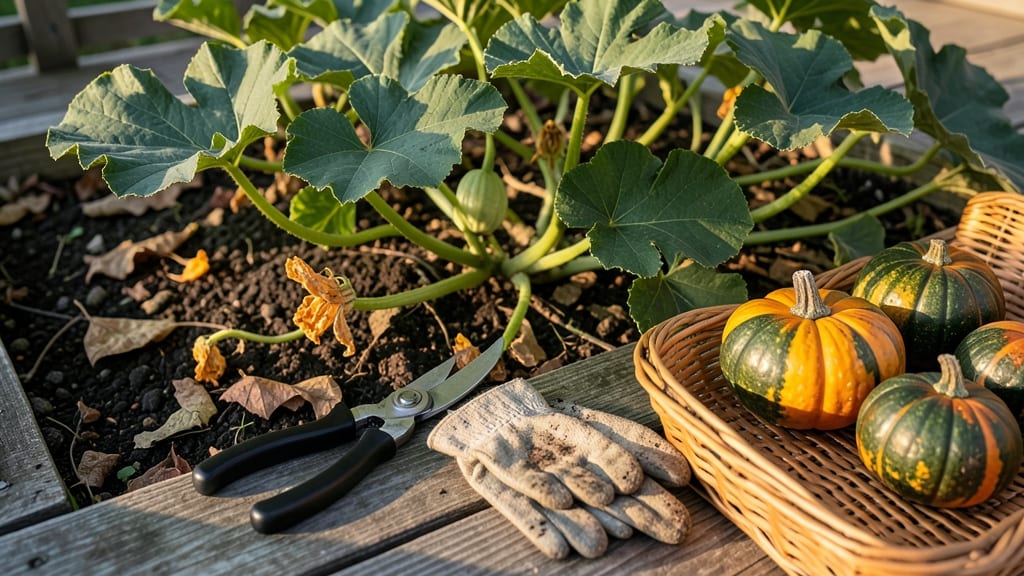
Harvesting acorn squash 🎃 at the right time means the difference between sweet, flavorful flesh and a bland, mealy mess.
Picking too early or too late can turn your hard work into a culinary disappointment, but there’s a way to tell when your squash is truly ready—without cutting into it. These tactile tests reveal the perfect harvest window before the squash loses its peak taste.
From checking the stem’s firmness to the telltale thump of a ripe squash, you’ll learn how to gauge sweetness with just your fingers. Plus, I’ll cover what happens if you harvest too soon or wait too long, and how to store your squash so it stays fresh for months.
Whether you’re a seasoned gardener or just starting out, these tips will help you pick acorn squash at its sweetest—every single time.
3 Tactile tests to harvest acorn squash at peak sweetness
Acorn squash reaches its sweetest flavor when harvested at the perfect moment—but guessing wrong means bland or tough squash. The key lies in your hands, not just your eyes. Unlike checking skin color alone, these three tactile tests give you precise feedback about ripeness without damaging the squash.
I’ve used these methods for years in my garden, and they’ve never failed to deliver squash with rich, caramel-like sweetness that stores beautifully too.
Why rely on touch? Acorn squash hardens as it ripens, and its stem becomes less pliable. These physical changes correlate directly with sugar development inside the fruit. Skipping these tests often leads to harvesting too early (watery, bland) or too late (grainy, overripe).
Let’s dive into the three foolproof tests that’ll have you timing your harvest like a pro.
Gently twist the stem—if it snaps cleanly with minimal resistance, the squash is ready to harvest.
Press your thumbnail into the skin—if it doesn’t dent and feels wood-like, it’s prime for picking.
Tap the squash—if it sounds hollow (like a drum), it’s fully mature and packed with sweetness.
The stem separation test is my go-to because it’s the most reliable indicator of internal maturity. When the stem detaches easily, it signals the squash has finished photosynthesis and sugar production.
I’ve seen gardeners miss this cue and end up with squash that’s still green inside—a sure sign of underripe fruit. Pro tip: Perform this test in the morning when the stem is firmest.
Next, the skin hardness test works like a built-in stress test for the squash’s readiness. A soft skin means the flesh is still watery and underdeveloped, while a hard skin guarantees a dense, sweet texture.
I like to compare it to a ripe butternut squash—if it feels similarly firm, you’re golden. This test also helps distinguish between varieties, as some acorn squash (like ‘Table Queen’) develop harder skins faster than others.
Don’t overlook the thump test, which reveals the squash’s internal structure. A hollow sound means the seeds are fully formed and the flesh has concentrated its sugars. I’ve used this test to rescue overripe squash from my garden—when the thump sounds dull, it’s past its prime.
For best results, test the squash near its stem end, where the flesh is thickest and most flavorful.
Here’s a pro move: Combine all three tests for 100% accuracy. If two out of three tests confirm ripeness, it’s time to harvest. I once harvested a batch based solely on color, only to find the flesh was grainy and bland—a mistake I haven’t repeated since.
These tactile methods save you from culinary disappointments and ensure your squash stores well for months.
Timing your harvest right also extends the squash’s shelf life. Overripe acorn squash spoils quickly, while perfectly ripe ones can last until spring if stored properly.
I’ve kept mine in a cool, dark basement at 50–55°F with a 90% humidity level, and they’ve stayed fresh for up to 3 months. The tactile tests aren’t just about flavor—they’re your first line of defense against waste.
One common mistake? Harvesting after the first frost. While acorn squash can tolerate light frosts, freezing temperatures turn the flesh mushy and unappetizing. If you’re in a region with early frosts (like USDA Zone 5), prioritize these tests over the calendar.
In my Zone 6a garden, I harvest by mid-October to avoid frost damage while still catching the peak sweetness.
Ready to put these tests to work? Grab a squash from your garden and give it the twist, press, and thump treatment. Your taste buds—and your future meals—will thank you.
And if you’re curious about what happens when you miss the mark, stay tuned for my next section on the consequences of early or late harvests.
What happens if you harvest too early or too late?
Harvesting your acorn squash too early can leave you with a watery, bland texture that lacks the sweetness you crave. The flesh won’t have developed its full nutty flavor, and the seeds may still be too soft or underdeveloped.
Worse yet, underripe squash stores poorly, spoiling within 2-3 weeks instead of lasting months.
On the flip side, waiting too long turns your squash into a mealy, stringy mess. Overripe squash loses its vibrant color, developing a dull, shriveled appearance and a hollow sound when tapped.
The skin may even crack or rot, making it unusable. Both extremes mean wasted effort and lost harvest potential.
Here’s what you need to know about the trade-offs:
Harvesting Too Early vs. Too Late
Harvesting Too Early
- ✅ Firm texture (but bland)
- ✅ Bright color (but underdeveloped)
- ❌ Short shelf life (2-3 weeks)
- ❌ Watery flesh (lacks sweetness)
- ❌ Seeds not fully formed
Harvesting Too Late
- ✅ Peak sweetness (if caught just right)
- ✅ Hard rind (longer storage)
- ❌ Mealy texture (dry and stringy)
- ❌ Dull color (loses vibrancy)
- ❌ Risk of rot (cracked skin)
Key Tip: Aim for a hard rind and deep color—the perfect balance between sweetness and storage life.
Look for these visual cues to avoid both mistakes. A ripe acorn squash will have a hard, glossy skin that resists pressure from your thumbnail. The stem should separate cleanly from the body, and the squash will make a deep, hollow sound when tapped—like knocking on wood.
If you’re unsure, cut one open as a test. The seeds should be fully formed and the flesh should be dense and orange. Once you master these signs, you’ll never harvest too soon or too late again!
Pro tip: Store your perfectly harvested squash in a cool, dry place (50-55°F) where it’ll keep for 2-3 months—long enough to enjoy its sweetness all season long.