
Advice
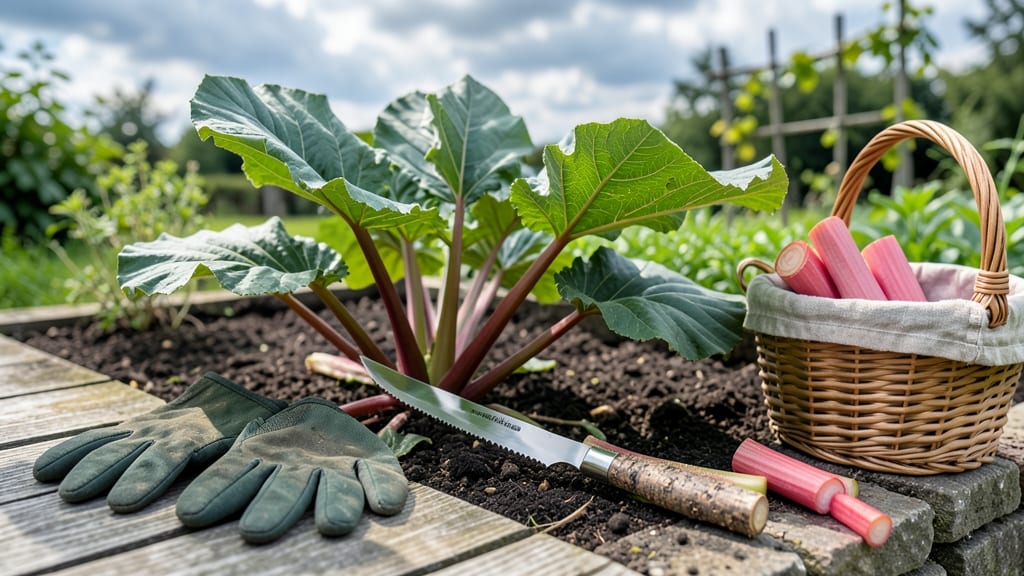
Harvesting rhubarb all summer isn’t as simple as it sounds—your plant’s health depends on timing, and pushing too far can leave you with weak stalks or even a struggling 🌱 rhubarb.
If you’ve ever pulled a stalk in July only to find it woody or bitter, you’re not alone. The key lies in understanding rhubarb’s natural growth cycle, which peaks in spring and slows as summer heat sets in.
Overharvesting forces the plant to produce new growth, often at the expense of quality.
In this guide, I’ll break down the ideal harvest windows—when to pick for the best flavor and yield—plus how to extend your season without draining your rhubarb’s energy. Regional climate matters too, so I’ll share what works in Zone 6a and beyond.
You’ll learn how to balance continuous harvests with plant care, so you can enjoy fresh stalks from late spring through early summer—and maybe even coax a few more in summer if you’re strategic.


Understanding rhubarb’s harvest seasons: when to pick for maximum yield
Rhubarb thrives on a seasonal rhythm, and harvesting at the wrong time can turn your tart-sweet bounty into a struggling plant. While it’s tempting to pick stalks all summer, rhubarb’s natural growth cycle demands strategic timing to avoid weakening the crown.
The key lies in understanding its three distinct phases: spring flush, summer dormancy, and fall recovery.
Most gardeners focus on the prime harvest window—late spring to early summer—when stalks grow rapidly after winter dormancy. This is when your plant directs energy into producing plump, tender stalks.
However, the summer months present a critical challenge: if you harvest too aggressively, you risk exhausting the plant before it can store energy for next year’s growth.
Here’s the hard truth: continuous summer harvesting weakens rhubarb by forcing it to produce leaves (which are toxic) instead of storing nutrients in its roots. The plant enters a natural rest period in mid-to-late summer, and picking during this time can lead to stunted growth or even death.
Let’s break down how to align your harvests with rhubarb’s growth cycle for a bountiful yield year after year.
| Season | Harvest Window | Stalk Quality | Plant Status | Action |
|---|---|---|---|---|
| Spring (March-May) | Prime time | Tender, crisp, sweetest | Active growth | Harvest 2-3 stalks/week |
| Early Summer (June) | Limited harvest | Firm, slightly tart | Transitioning to dormancy | Harvest 1 stalk/week max |
| Mid-Late Summer (July-August) | No harvest | Stalks become woody | Dormant phase | Let plant rest—no cutting |
| Fall (September-October) | Light harvest | Tougher, less sweet | Preparing for winter | Harvest 1 stalk every 2 weeks |
The spring flush (March-May) is your golden opportunity to harvest 2-3 stalks per week without harming the plant. During this time, rhubarb prioritizes stalk production over leaf growth, ensuring your harvests stay tender and sweet.
I’ve found that stalks reaching 10-12 inches with a red-pink base are ideal for picking—this indicates maturity without overgrowth.
As summer arrives, rhubarb shifts into dormancy mode, redirecting energy from stalks to its roots and leaves. This is the no-harvest window most gardeners overlook. If you ignore this phase, you’ll notice smaller, tougher stalks in subsequent years, as the plant struggles to recover.
My rule of thumb: by mid-July, stop harvesting entirely and let the plant recharge for next spring.
Some gardeners wonder if everbearing varieties exist—unfortunately, rhubarb doesn’t produce continuously like strawberries. Instead, focus on selective harvesting in early summer (June) if you must pick. Limit yourself to 1 stalk per week and avoid cutting stalks thinner than 1 inch in diameter.
These smaller stalks are less flavorful and signal the plant’s stress response.
Fall offers a second-chance harvest, but with caveats. After the first frost, rhubarb may produce a small batch of stalks again. These are tougher and less sweet, but harvesting 1 stalk every 2 weeks can extend your season.
The key is to stop by October to allow the plant to harden off for winter. I’ve seen rhubarb plants that skipped fall harvests thrive for decades, while over-harvested ones peter out after just a few years.
Proper post-harvest care is just as critical as timing. After your last spring harvest, apply a 2-inch layer of mulch to insulate the crown and retain moisture. This helps the plant store carbohydrates for next year’s growth.
Avoid fertilizing in summer, as this encourages leafy growth at the expense of stalk production. Instead, feed lightly in early spring
How to harvest rhubarb in summer without harming the plant
Summer is when many gardeners crave fresh rhubarb, but harvesting too aggressively can weaken your plant. The key is balancing yield with plant health, especially as temperatures rise. Rhubarb’s natural growth slows in summer, making it vulnerable to stress if you overharvest.
I’ve learned the hard way—skipping this balance can lead to woody stalks or even plant decline.
To extend your harvest season, focus on selective stalk removal and proper timing. Never take more than one-third of the stalks at once, and always prioritize the thickest, most mature stalks. This ensures your rhubarb has energy to recover and produce new growth for future harvests.
⚠️ callout warning ⚠️
Harvesting rhubarb in summer can stress the plant, leading to:
- Woody stalks if forced to regrow too quickly
- Reduced yield next season from exhaustion
- Leaf dieback if stalks are cut too close to crown
Solution: Limit summer harvests to every 2-3 weeks and avoid cutting stalks thinner than 1 inch in diameter.
Start by selecting stalks that are 10-12 inches long with a reddish-pink base. Use a sharp knife or pruners to cut them just above the soil line—never pull stalks, as this can damage the crown. I always sanitize my tools with rubbing alcohol to prevent disease spread between cuts.
Frequency matters too. In summer, harvest biweekly instead of weekly to give your rhubarb time to recover. If you notice stalks becoming smaller or rubbery, it’s a sign to pause harvesting until they rebound. Overharvesting in July or August can leave your plant struggling to survive winter.
If your rhubarb looks stressed after summer harvests, revive it with deep watering and a light application of compost or balanced fertilizer. Avoid heavy feeding, as this encourages leaf growth at the expense of stalks. Mulch around the base to retain moisture and protect roots from heat stress.
With the right approach, you can enjoy limited summer harvests while keeping your rhubarb healthy for years. The goal isn’t endless stalks—it’s sustainable growth so your plant thrives next spring. 🌱