
Vegetables
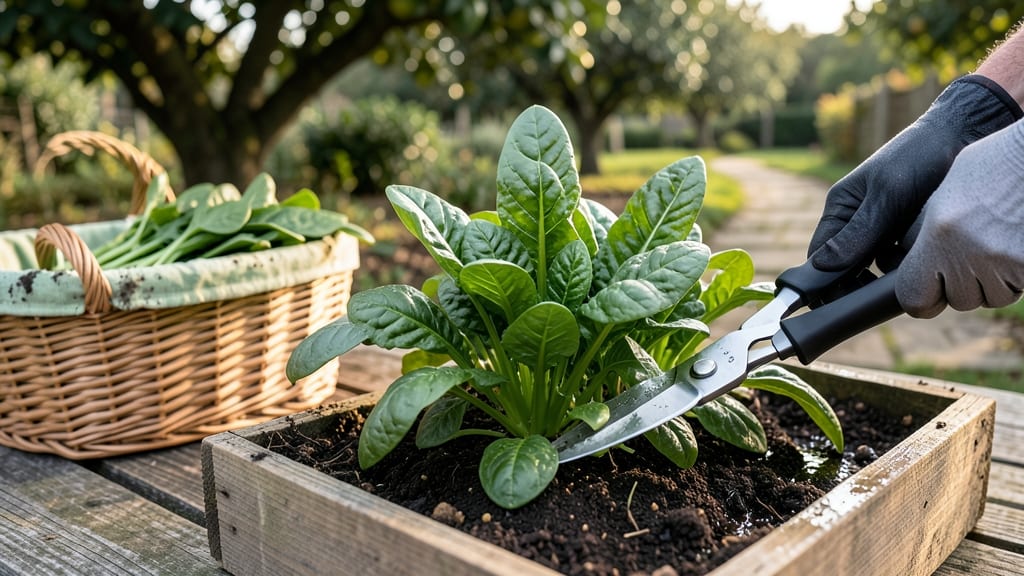
Harvesting spinach the best way ensures tender, flavorful leaves all season long—without turning your garden into a bitter, tough mess.
Picture this: you’ve nurtured your 🥬 spinach for weeks, only to pull a leaf that tastes like cardboard. That’s what happens when you harvest too late or too aggressively. The key? Timing, technique, and a little patience.
In this guide, I’ll walk you through the exact moments to pick your spinach—when leaves are just right for salads or cooking—and the hands-off methods that keep your plants producing for weeks. No more wasted effort, just a steady supply of fresh, vibrant greens.
You’ll also discover how often to harvest without stressing the plant, the best tools to use, and pro tips to reset your spinach for a second harvest. Ready to turn those leafy green dreams into reality?


When to harvest spinach for peak flavor and texture
Timing your spinach harvest is everything—picking too early means wasted potential, while waiting too long turns those tender leaves into tough, bitter stalks. The key lies in understanding your plant’s maturity stages, leaf size, and how weather conditions influence flavor.
For example, baby leaves harvested at 2–3 inches deliver the sweetest, most delicate flavor, while mature leaves (4–6 inches) offer a heartier, earthier taste. But rush it, and you’ll end up with a sad, overgrown plant that bolts before you can enjoy another bite.
Spinach thrives in cooler seasons, so your harvest window depends on when you planted. In spring, aim for harvests 4–6 weeks after sowing, while fall plantings can yield until the first frost. The morning hours are ideal for harvesting—leaves are crispest and most flavorful after a cool night.
Avoid picking after heavy rain when leaves can become waterlogged and prone to disease. Even a small delay can mean the difference between a restaurant-worthy salad and one that falls flat.
Here’s what to look for when your spinach is ready to harvest:
| Harvest Stage | Leaf Characteristics | Ideal Size | Flavor Profile | Regrowth Impact |
|---|---|---|---|---|
| Baby Leaves | Tender, bright green | 2–3 inches | Sweet, delicate | Encourages bushier plant |
| Mature Leaves | Larger, slightly darker green | 4–6 inches | Earthy, robust | Moderate; may bolt if over-mature |
| Over-Mature | Tough, fibrous, yellowing edges | 6+ inches | Bitter, woody | High bolting risk; harvest entire plant |
Pay close attention to the leaf texture—tender spinach should give slightly when gently squeezed, while mature leaves feel firm but not leathery. If you notice flowering stems (bolting), it’s a sign your plant is stressed, often from heat or drought.
At this point, harvest the entire plant immediately, as the flavor will quickly turn bitter. Pro tip: Use a shade cloth in summer to delay bolting and extend your harvest season.
Seasonal timing also plays a role in flavor. Spring-harvested spinach often tastes milder and sweeter due to cooler temperatures, while fall-grown spinach can develop a slightly more robust flavor as days shorten.
If you’re growing savoy spinach varieties, their crinkled leaves are best harvested when fully curled but still tender—waiting too long makes them stringy. For flat-leaf varieties, focus on the leaf size rather than shape, as they’re more forgiving in the maturity window.
Weather conditions can shift your harvest timeline unexpectedly. After a hot spell, spinach may bolt prematurely, so monitor your plants daily during heatwaves. Conversely, cool, cloudy days slow growth, giving you more time to harvest before the plant matures.
If frost is forecasted, harvest everything within 24 hours—spinach won’t survive freezing temperatures, but you can blanch and freeze leaves for later use. This is especially critical in USDA Zone 6a, where frost can arrive as early as mid-October.
One common mistake gardeners make is harvesting too much at once. Removing more than one-third of the plant in a single session stresses it and reduces future yields. Instead, practice the cut-and-come-again method: Snip or pluck outer leaves, leaving the inner growth intact.
This encourages the plant to produce more leaves, giving you a continuous harvest for weeks. Just be sure to leave at least 2–3 inches of stem on each harvested leaf to promote regrowth.
For the best results, combine visual cues with a finger test: Pinch a leaf between your thumb and forefinger. If it feels soft and snaps easily, it’s ready. If it resists or feels rubbery, wait a few days.
This simple trick saves you from harvesting spinach that’s past its prime. Remember, the earlier you harvest, the more harvests you’ll get throughout the season—so stay vigilant and enjoy that fresh, homegrown goodness!
🌱
Step-by-step spinach harvesting methods for maximum yield
Harvesting spinach correctly is the secret to a continuous supply of tender, flavorful leaves. The cut-and-come-again method lets you enjoy fresh spinach for weeks by encouraging regrowth after each harvest. Whether you're a beginner or seasoned gardener, mastering this technique ensures you avoid bitter, tough leaves while maximizing your yield.
Before you start, gather your tools: sharp pruning shears or clean hands, a small basket, and a pair of gardening gloves. The right tools make all the difference in preserving plant health and making the process efficient.
I always work in the early morning when leaves are crispest and the plant is hydrated, which guarantees the best flavor and texture.
For continuous harvests, repeat the process every 7–10 days during cool seasons (spring/fall). In hot weather, space harvests to every 2–3 weeks to prevent bolting. I’ve found that Baby’s Leaf Hybrid varieties regrow best with this method, producing tender leaves for months.
If your spinach starts to bolt (flower), don’t panic! Simply cut off the flowering stems at the base and focus on harvesting the remaining leaves. This resets the plant for a second growth cycle, often yielding another round of harvests before frost.
For perennial varieties, this trick can extend your harvest window even further.
Remember, the key to success is consistency. By following these steps, you’ll enjoy a steady supply of fresh spinach while keeping your plants healthy and productive. Happy harvesting! 🥬