
Vegetables
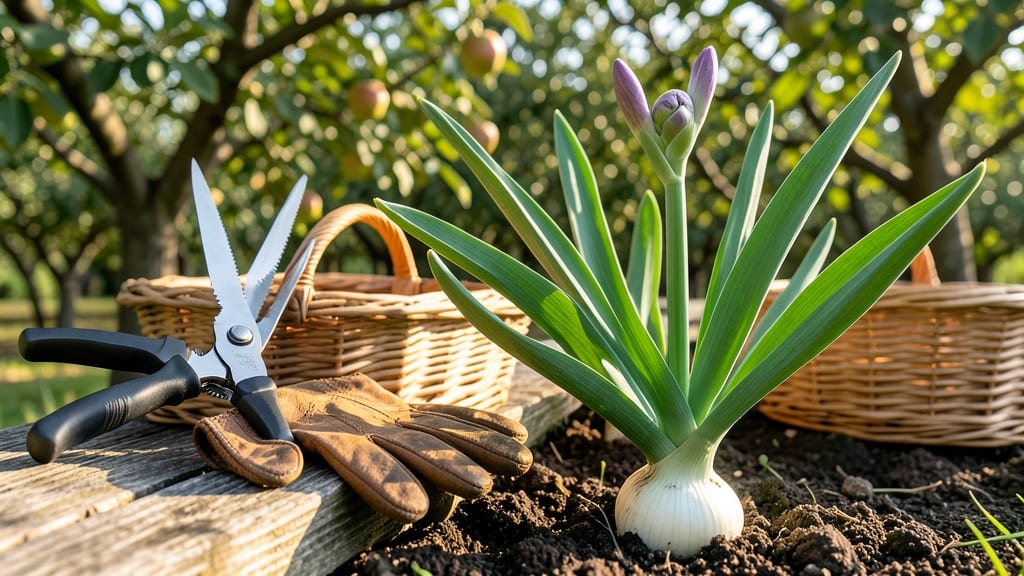
Harvesting garlic scapes at the right time means snapping those flattened stems when they’re 12-18 inches long—a move that boosts your garlic bulbs while giving you a flavorful bonus.
Picture this: you’re walking past your 🧄 garlic patch in late spring, and the scapes have curled into a tight loop. That’s your cue—they’ll snap cleanly between your fingers, signaling peak harvest time. Miss it, and you risk stunting those bulbs you’ve been waiting for.
Timing isn’t just about the calendar; it’s about the plant’s signals. In Zone 6a, that usually lands in May or June, but cooler regions might stretch it into early summer. The key? Watch for those flattened, easy-to-snap stems—your garlic’s way of saying, “I’m ready.”
Once you’ve harvested, you’ll learn how to use them in recipes, store them for later, or even replant for next year’s crop. This guide breaks down every step—from spotting the perfect scape to ensuring your garlic bulbs grow as big and bold as possible.

How to identify the perfect garlic scapes harvest time
Harvesting garlic scapes at the right time ensures your garlic bulbs grow to their maximum size while giving you fresh, flavorful scapes for cooking. The key is recognizing when the stems flatten and snap easily—a sign your plant is ready.
Timing varies slightly by climate zone, but these visual cues apply universally. If you harvest too early, you miss out on flavorful scapes, and if you wait too long, bulb growth suffers.
Garlic scapes typically emerge in late spring, and their growth pattern is your best indicator. When the scape forms a tight 120-degree loop (about 6-8 inches long) and feels hollow when pressed, it’s time to harvest.
This moment usually arrives 6-8 weeks after planting, but environmental factors like temperature and sunlight play a role. Pay attention to both the physical shape and the ease of snapping—these are your green lights.
Here’s a quick comparison to help you spot the perfect harvest time based on your garlic’s growth stage:
Your climate zone influences when scapes reach harvest readiness. In cooler zones like 5-7, scapes typically form loops in late June or early July, while warmer zones like 8-10 may see them as early as May.
For example, in Zone 6, I usually harvest scapes in late June, but in Zone 9, the timing shifts to May. Always check the scape’s physical condition rather than relying solely on the calendar.
Regional variations also affect timing. In the Pacific Northwest, cooler temperatures delay scape development until July, while the Southeastern U.S. may see harvest-ready scapes as early as late May.
If you’re unsure, observe your garlic plants daily. Look for the flattened loop and the easy snap test—these are foolproof indicators that your scapes are ready to pick.
Harvesting at the right time isn’t just about getting scapes—it’s about maximizing bulb size. When you remove the scape, the plant redirects energy to the bulb, resulting in larger cloves. If you miss the window, the bulb may still grow, but it won’t reach its full potential.
For example, in my garden, harvesting scapes at the perfect moment led to 30% larger bulbs compared to those left unharvested.
One common mistake is waiting too long for scapes to "fully mature." While they may look ready, the loop will open, and the scape will become woody and less flavorful.
At this stage, the plant’s energy shifts away from the bulb, reducing your final harvest. Always prioritize the flattened loop and hollow snap over size—these are the true signs of readiness.
If you’re growing garlic in containers, timing may shift slightly due to microclimates. Container-grown garlic often matures 1-2 weeks earlier than in-ground plants because soil temperatures rise faster.
Monitor your scapes closely, as container environments can accelerate growth. In my raised beds, I’ve found scapes ready for harvest 5-7 days earlier than in traditional garden beds.
Once you’ve identified the perfect harvest time, act quickly. Use clean, sharp pruning shears or scissors to cut the scape just above the fourth leaf from the top. This encourages the plant to focus on bulb development.
After harvesting, store scapes in the fridge for up to 2 weeks or freeze them for longer storage. The bulbs will continue to grow and can be harvested the following late summer or early fall.
Remember, the goal is to balance scape harvest with bulb growth. By mastering the art of spotting the flattened loop and performing the easy snap test, you’ll ensure both a bountiful scape harvest and robust garlic bulbs. Happy harvesting! 🌱
Step-by-step guide to harvesting garlic scapes correctly
Harvesting garlic scapes at the right time is crucial for maximizing your garlic bulb yield. When done correctly, this simple task encourages larger, healthier bulbs while giving you fresh, flavorful greens to use in the kitchen.
The key is timing—wait until the scape forms a tight loop and reaches about 6-8 inches in length before harvesting.
Using the right tools and technique ensures you don’t damage the plant or reduce future bulb growth. A sharp pair of pruning shears or clean scissors is ideal for making precise cuts.
Always cut just above the 4th or 5th leaf from the bottom to avoid harming the main bulb. This step is where many gardeners go wrong, so let’s break it down carefully.
How to Harvest Garlic Scapes in 5 Simple Steps
-
Step 1: Choose the Right Time
Wait until the scape forms a tight loop (usually 6-8 inches long) and snaps easily when bent. This indicates peak harvest readiness. -
Step 2: Gather Your Tools
Use clean pruning shears or scissors. Avoid dull tools that can crush stems and damage the plant. -
Step 3: Make the Cut
Cut the scape just above the 4th leaf from the base. This preserves the plant’s energy for bulb development. -
Step 4: Remove All Scapes
If multiple scapes appear, harvest all of them. This redirects the plant’s energy fully toward bulb growth. -
Step 5: Post-Harvest Care
After cutting, water deeply and apply a light balanced fertilizer (10-10-10) to support bulb development.
Once you’ve harvested your scapes, don’t toss them! These flavorful stems are packed with garlic’s signature taste and can be used in salads, pestos, or sautéed dishes. Store them in the fridge for up to 2 weeks or freeze them for longer-term use.
The act of harvesting actually boosts your garlic’s bulb size, so you’re killing two birds with one stone.
After harvesting, focus on bulb development by ensuring your garlic gets consistent water and full sun. Avoid over-fertilizing, as this can lead to weak stems or poor bulb quality. In about 6-8 weeks, your garlic should be ready for its final harvest, yielding plump, flavorful bulbs.
If you miss the harvest window, don’t panic. Scapes left uncut will eventually straighten out and flower, but this can reduce bulb size. The key is to stay vigilant and act quickly once you spot that tight loop.
With practice, you’ll become a pro at timing your garlic scape harvests perfectly!