
How To
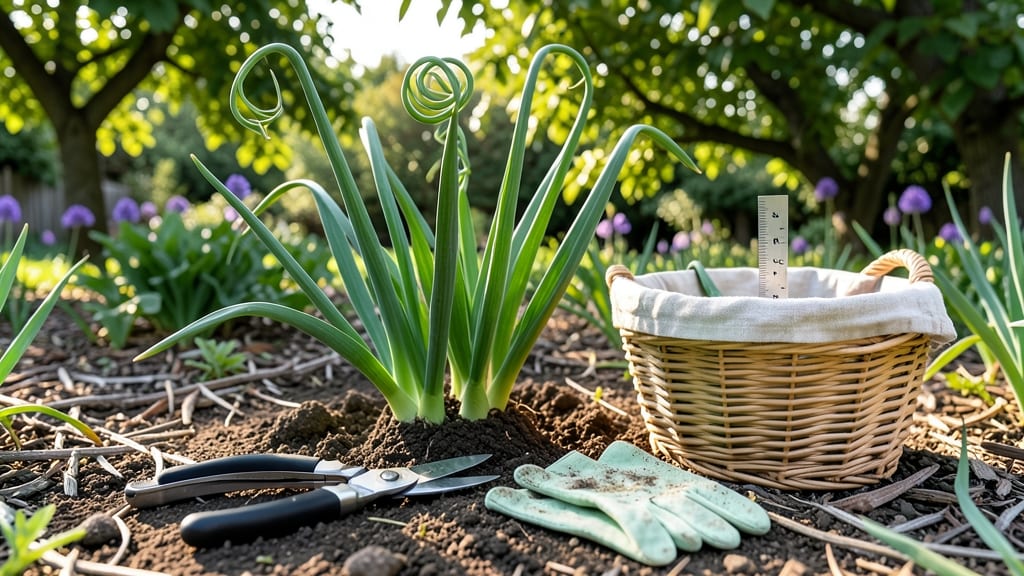
Harvest garlic scapes when they form a tight, 8- to 12-inch curl 🧄—the moment they’re most tender and flavorful.
Most gardeners wait too long, ending up with woody stems or missing the window entirely. A single misstep can turn a gourmet ingredient into a tough, bitter disappointment, and the worst part? Your garlic bulbs won’t reach their full potential either.
Timing matters because scapes mature fast—sometimes in just a few days. The key is watching for three clear signs: a compact curl, firm stems, and the first hints of yellowing below the loop. Ignore these cues, and you risk losing both the scapes and your garlic crop for next year.
Below, I’ll walk you through the 3-stage stem test, the best time of day to harvest, and how to process scapes for maximum shelf life—so you never miss the perfect moment again.


The 3-Stage stem test: visual cues to harvest scapes at peak flavor
Garlic scapes are one of nature's most rewarding harvests—when picked at the right moment, they're tender, flavorful, and packed with that signature garlicky punch. But timing is everything. Harvest too early, and you'll get underdeveloped stalks with mild flavor.
Wait too long, and the scapes turn bitter and woody, while the bulb below suffers. The secret? Mastering the 3-stage stem test to catch scapes at their sweet spot.
This visual guide breaks down each stage with clear physical cues so you can confidently decide when to snip. Think of it as your field manual for perfect scapes—every time. Whether you're a first-time grower or a seasoned gardener, these tactile clues will transform your harvest from guesswork to precision.
Let's dive into Stage 1: Tight Curl, where scapes reach their peak tenderness. At this point, the stem forms a perfect 8-12 inch loop that's firm to the touch but still flexible.
The leaves below remain vibrant green, and the stem snaps cleanly when bent—this is your golden window. Harvest here for the sweetest, most delicate flavor, perfect for sautéing or adding raw to salads.
The transition to Stage 2: Partial Unfurling marks the beginning of flavor intensification. The loop starts to open slightly, and the stem becomes stiffer. You might notice the bottom leaves yellowing—a sign the plant is redirecting energy.
While still edible, scapes here develop a more robust garlic taste, ideal for braising or pickling. The risk? Waiting too long pushes them toward Stage 3, where bitterness takes over.
Here's the critical mistake many gardeners make: ignoring the stem's texture. A ready-to-harvest scape should feel firm but not woody. Run your thumb along the stem—if it's smooth and slightly springy, it's perfect.
If it feels rough or hollow-sounding, you've missed the boat. This tactile check is your final quality control before snipping.
Why does this matter beyond flavor? Harvesting scapes at the right stage preserves your garlic bulb. When you remove the scape, the plant redirects energy back to bulb development, ensuring larger, healthier cloves for next year.
But if you wait until Stage 3: Full Bloom, the bulb suffers—energy is wasted on seed production, leaving you with smaller, weaker cloves. It's a trade-off that pays off in both taste and future harvests.
Pro tip: Morning harvests yield the freshest scapes. Afternoon heat can cause stems to wilt faster, making them less appealing. Use sharp clean scissors or pruners to cut just above a leaf node—this encourages new growth and keeps the plant healthy.
And always harvest on a dry day to prevent fungal issues.
Visual cues alone won't tell the whole story—pay attention to regional growing conditions too. In hotter climates, scapes may progress through stages faster, while cooler regions give you more time. Keep a gardening journal to track your local timeline. Over time, you'll anticipate the perfect moment like clockwork.
Remember: Every scape tells a story. A tightly curled stem whispers of sweet potential, while an open bloom shouts bitter regret. By mastering these three stages, you're not just harvesting—you're conducting a symphony of flavor in your garden.
Now grab those shears and get ready to transform your kitchen with homegrown perfection.
Best time of day and weather conditions for harvesting scapes
Timing your scape harvest isn't just about the plant's maturity—it's also about when you pick them during the day and the weather conditions surrounding you. Harvesting at the wrong time can lead to bitter flavors or even plant stress.
I’ve learned that early mornings with cool temperatures and dry foliage are ideal, but let’s break down why.
Most gardeners I know make the mistake of harvesting scapes in the late afternoon when stems are warm and wilted. This can cause oxidation, making your scapes taste harsh.
Instead, aim for morning hours between 7 AM and 9 AM, when temperatures are below 75°F (24°C) and dew has evaporated. The tenderest scapes are ready then, and your garlic bulbs stay healthier for future harvests.
⚠️ callout warning ⚠️
⚠️ Avoid These Harvesting Mistakes
- 🌧️ After Rain: Wet scapes bruise easily and develop mold. Wait 24+ hours for foliage to dry.
- ☀️ Midday Heat: Harvesting in 85°F+ (29°C+) causes scapes to wilt faster and lose flavor.
- 🌙 Evening Dew: Heavy morning dew can make stems slippery and prone to breaking at the base.
Pro Tip: Test stem flexibility—if it snaps cleanly, it’s ready! If it bends without breaking, wait another day.
Humidity plays a sneaky role too. In high-humidity climates (like the Southeast U.S.), scapes can develop fungal spots if harvested damp. If you must harvest in humid conditions, do so on overcast days when relative humidity drops below 60%.
I’ve found that garlic scapes grown in drier regions (like the Southwest) tolerate slightly higher humidity at harvest time.
Never harvest scapes after a heavy rain—the extra moisture stresses the plant and can lead to rot at the bulb base. If rain is in the forecast, harvest a day early and let the scapes dry indoors for 12 hours before storing.
This simple step preserves their crisp texture and mild garlic flavor for weeks.
One last tip: Harvest scapes before 10 AM in hot climates to avoid the midday sun’s intensity. I’ve noticed that scapes picked under these conditions stay firmer longer and hold their bright green color—a sure sign of freshness.
For cooler regions, morning harvests still win, but you have a bit more flexibility until 11 AM.
Remember, the goal is to balance plant health with harvest timing. If you rush it, you’ll sacrifice flavor and future bulb size. But when done right, your scapes will be tender, sweet, and ready for the kitchen—while your garlic keeps growing strong for next year’s harvest. 🌱