
Picking
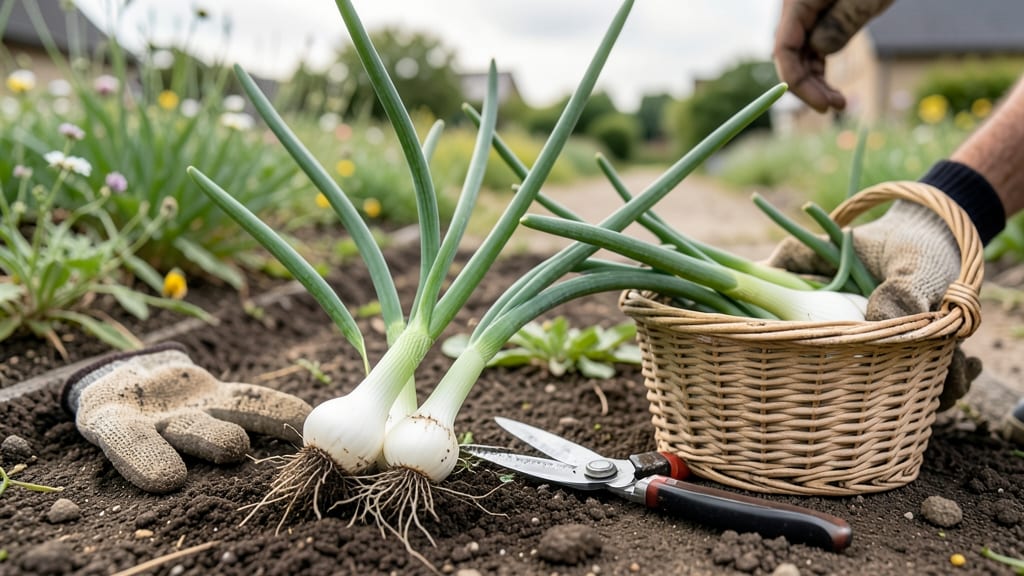
Harvesting green onions at the right time ensures you get the freshest flavor while keeping your 🌱 plants thriving for months.
Picture this: you’ve waited weeks for your green onions to grow, only to pull them too early and miss the perfect harvest window—or worse, overlook the subtle signs that tell you now is the time.
The difference between a baby green and a mature stalk can mean the difference between a quick regrowth or a plant that gives up.
Timing isn’t just about waiting for the leaves to reach a certain height—it’s about reading the plant’s cues, like when the bulb swells just right or the stems separate cleanly.
Below, I’ll break down the three exact stages to pick for maximum regrowth, plus how to store your harvest so it stays crisp longer.
Ready to avoid the common mistakes that waste your green onions? Let’s dive into the harvest secrets that’ll keep your garden producing all season.


3 Exact stages for green onion harvest time (with visual growth guide)
Green onions are one of the most rewarding plants to grow because they offer three distinct harvest stages—each with unique flavors and regrowth benefits. Knowing when to pick at each stage ensures you get the freshest flavor while keeping your plants productive for weeks.
The key lies in observing leaf height, bulb development, and root health—all visual cues that tell you exactly when to reach for your shears.
Harvesting too early means missing out on flavor, while waiting too long can stunt future regrowth or even kill your plants. I’ve grown green onions for years, and I’ve learned that timing isn’t just about size—it’s about balancing growth signals like leaf color, stem thickness, and bulb swelling.
Let’s break down the three exact stages you’ll encounter, complete with visual cues to help you decide when to harvest for maximum yield and flavor.
The microgreen stage is your first opportunity to harvest, typically occurring 3-4 weeks after planting. At this point, your green onions will have 1-3 inches of growth with just a few tender leaves. The stems are thin, and there’s no visible bulb yet—just a small root system.
This stage is perfect for adding peppery flavor to salads or garnishes, and the best part? You can harvest up to 3 times before the plant needs a break.
If you let your green onions grow to the baby green stage (around 4-6 weeks), you’ll notice a few key changes. The plants will reach 4-6 inches tall with 4-6 leaves, and the base will start to swell slightly.
This is where the flavor deepens, and the texture becomes slightly more robust. The bulb at the base will be about 1/4 inch in diameter, and the leaves will be a vibrant green. This stage is ideal for stir-fries or soups where you want a bit more substance.
When your green onions reach the mature stalk stage, they’re ready for their most flavorful and textural harvest. Look for plants that are 8-12 inches tall with thick, crisp stems and a bulb that’s at least 1/2 inch in diameter.
The leaves will be long and deep green, and the stem will separate easily from the bulb when gently pulled. This is the stage most people associate with green onions, and it’s perfect for grilling, roasting, or using as a thick garnish.
However, harvesting at this stage requires more caution to preserve regrowth.
One common mistake I see is harvesting too aggressively at the mature stage. If you cut the stems too close to the bulb or damage the roots, your plant may stop producing new growth.
Instead, aim to leave 2-3 inches of stem above the bulb and avoid cutting into the root system. With proper care, even mature green onions can regrow, though they may take longer to recover. Always use clean, sharp scissors to make clean cuts and minimize damage.
To maximize your harvest, I recommend starting with the outer leaves at the baby green stage. This allows the inner leaves to continue growing while you still get a steady supply of greens.
As the plants mature, you can gradually move to harvesting the entire stalk, always leaving enough foliage to support photosynthesis. This staggered approach ensures you never run out of fresh green onions while keeping your plants healthy and productive.
Pay close attention to the color and texture of your green onions—they’re your best indicators of harvest readiness. Pale or yellowing leaves signal stress or overmaturity, while deep green, crisp leaves mean you’re ready to harvest.
The bulb size is another critical clue: if it’s smaller than 1/4 inch, wait a few more days. If it’s larger than 1/2 inch, harvest soon to avoid sacrificing future growth. With these visual cues, you’ll always know exactly when to pick for the best flavor and regrowth.
Pro tip: Keep a harvest journal to track the stages of
How to harvest green onions at each stage without killing regrowth
Harvesting green onions at the wrong time can mean losing both flavor and future growth. The key is understanding when to cut and how to do it so your plants keep producing.
Whether you're harvesting microgreens for salads or mature stalks for cooking, the method matters just as much as the timing.
I’ve learned the hard way that cutting too close to the base or harvesting at the wrong stage can stunt regrowth. The good news? With the right techniques, you can enjoy fresh green onions for months without replanting.
Let’s break down the three harvest stages and the precise methods to use for each.
Never trim below the bottom 1-2 inches of the green onion. This is where the regrowth energy lives! If you cut too close, you’ll kill the plant’s ability to produce new shoots. Always leave the bulb base intact—it’s the secret to continuous harvests.
For microgreens (harvested at 1-2 inches tall), use clean scissors or fingernails to snip just above the soil line. This method minimizes damage while giving you tender, mild-flavored greens perfect for garnishes. I like to harvest these in the morning when the leaves are crisp and hydrated.
When your green onions reach the baby green stage (4-6 inches tall), switch to pinching the outer leaves. Use your thumb and forefinger to gently twist and pull the largest leaves at the base.
This encourages the plant to focus energy on growing new shoots while keeping the center intact for future harvests.
For mature stalks (8+ inches tall with bulbs ½ inch wide), grab a sharp knife or pruning shears. Cut the entire stalk 1-2 inches above the soil, leaving the bulb base.
This method gives you the largest bulbs while still allowing the plant to regrow. I recommend harvesting no more than ⅓ of the plant at once to avoid stressing it.
After harvesting, water your green onions deeply to revitalize roots and apply a light balanced fertilizer (like 10-10-10) every 4-6 weeks. Avoid over-fertilizing, as this can lead to leafy growth at the expense of bulb development. With proper care, your green onions will keep producing for months—or even years!
Pro tip: Store harvested green onions in a glass of water in the fridge to keep them fresh for up to 2 weeks. This mimics their natural growing conditions and prevents wilting. Happy harvesting! ✂️🌱