
How To
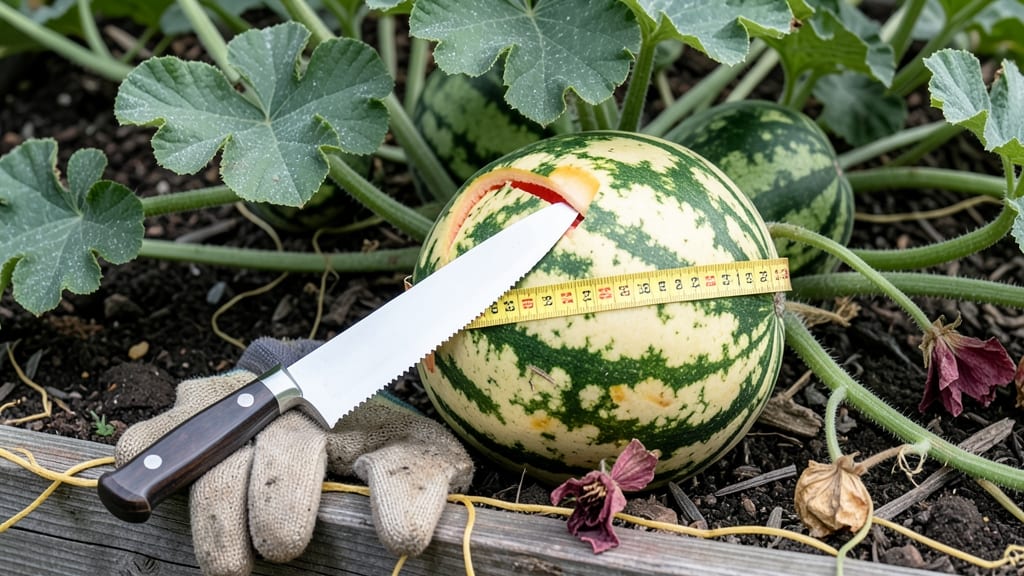
Harvesting watermelon takes about 80 to 100 days after planting, but timing it right means the difference between a sweet, juicy reward and a bitter disappointment.
If you’ve ever sliced into a watermelon only to find it still hard and tasteless, you know the frustration. The good news? You don’t need to guess or cut to know when your 🍉 is ready.
By the time the tendril near the fruit turns brown and the rind resists a thumbnail press, you’re just days away from harvest—no knife required.
This guide breaks down the exact tactile tests to use, from the classic thump to the often-overlooked field spot check, so you can pick your watermelon at peak sweetness every time.
You’ll also learn how variety, climate, and soil conditions can shift your harvest window, plus how to troubleshoot delays—because even the best-laid plans can go sideways when summer heat or unexpected rain throws a wrench in your garden.

3 Non-destructive tactile tests to check watermelon ripeness
Determining when your watermelon is ready to harvest doesn’t require cutting into it—just your hands and eyes. These three tactile tests let you assess ripeness without damage, ensuring you pick at peak sweetness. The best part? No knife, no guesswork, just proven techniques gardeners use every season.
First, understand that watermelon ripeness combines visual cues, texture, and even sound. Overripe melons lose flavor and texture, while underripe ones taste bland. These tests help you strike the perfect balance, saving time and effort in your garden. Let’s dive into the hands-on methods that work every time.
The Thump Test: Listen for Hollow Sounds
Tap the watermelon with your knuckles. A ripe melon sounds hollow and deep, while an unripe one thuds like a drum. This test works best on 6+ lb fruits.
Tendril Check: Look for Dried Vines
Inspect the tendril (small vine) near the stem. When it turns brown and crispy, the melon is ready. A green tendril means more time is needed.
Field Spot Inspection: Find the Creamy Patch
Check the underside of the melon for a yellowish-white spot. This field spot indicates full ripeness. If it’s pale or missing, wait a few days.
Start with the thump test—it’s the fastest way to gauge internal maturity. A ripe watermelon should sound hollow, like knocking on a wooden door. If it sounds dull, it needs more time on the vine. This test works especially well for heirloom varieties, which often have thicker rinds.
Next, move to the tendril check, a foolproof sign of ripeness. The tendril closest to the stem should be dry and brittle. If it’s still green, the melon isn’t ready yet. This method is reliable for seedless varieties, too, since they follow the same ripening cues.
The field spot is where magic happens. This creamy patch on the underside of the melon signals full sugar development. If you see it, combined with a hollow thump, your watermelon is ready. For smaller varieties, like Sugar Baby, this spot might be less pronounced but still present.
Combine all three tests for the most accurate results. For example, if your melon thumps hollow but lacks a field spot, wait another 2-3 days. Conversely, if the tendril is brown but the thump sounds dull, the melon might be overripe. Balance these cues to avoid mistakes.
Pro tip: Harvest in the morning when temperatures are cooler. This preserves the melon’s flavor and texture longer after picking. Use a sharp knife or pruners to cut the stem, leaving a small portion attached to extend shelf life.
Overripe watermelons develop a soft spot and may crack. Underripe ones stay hard and taste bland. By mastering these tests, you’ll never guess again—just harvest with confidence. Your garden’s sweetest rewards are just a few taps and looks away! 🍉
Watermelon harvest timing by variety: days to maturity guide
Not all watermelons ripen on the same schedule—some varieties mature in as few as 60 days, while others take nearly 100 days to reach peak sweetness. Understanding your specific watermelon variety is key to planning your harvest.
Seedless varieties often mature faster than heirlooms, and hybrid types may surprise you with early or late ripening based on their parentage.
Climate plays a huge role too. In hot, dry regions, watermelons can ripen 10-15 days faster than in cooler, humid areas. Meanwhile, short-season varieties are perfect for northern gardeners with limited growing windows.
Let’s break down the exact timing for popular types so you can set your calendar—and your expectations—correctly.
| Variety Type | Days to Maturity | Best For | Climate Notes |
|---|---|---|---|
| Seedless (e.g., Sugar Baby, Crimson Sweet) | 60-75 days | Containers, short seasons, early harvests | Faster in warm climates; may need row covers in cool areas |
| Heirloom (e.g., Moon and Stars, Charleston Gray) | 85-100 days | Long seasons, traditional gardens | Slowest to ripen; needs full sun and heat |
| Hybrid (e.g., Jubilee, Black Diamond) | 70-90 days | Balanced ripening, disease resistance | Adaptable to most climates; watch for heat stress |
| Mini/Small (e.g., Tiny Tim, Orange Slice) | 55-70 days | Patio gardens, children’s plots | Ripens quickly but needs consistent water |
If you’re growing seedless varieties, expect to harvest earlier than heirlooms. For example, Sugar Baby typically matures in 65-70 days, making it ideal for container gardens or areas with short summers.
Meanwhile, Moon and Stars heirlooms take closer to 90 days, so plan accordingly if you’re in a cooler zone.
Soil temperature also impacts ripening speed. Watermelons thrive when soil stays above 70°F. In northern climates, use black plastic mulch to warm the soil faster. Conversely, in hot desert regions, provide afternoon shade to prevent stress. These adjustments can shave 5-10 days off your harvest timeline.
Pro tip: Mark your planting date and use a harvest calendar to track progress. For example, if you planted Jubilee hybrids on May 1, expect ripe melons by late July.
Combine this with the tactile tests from earlier to fine-tune your timing. Overripe watermelons lose sweetness quickly, so don’t wait too long!
Remember, consistent moisture is critical during fruit development. Drought stress can delay ripening by 2+ weeks, while overwatering leads to bland flavor. Balance is key—aim for 1-2 inches of water per week once vines spread.
With the right variety and care, you’ll be slicing into perfectly timed watermelons all season long. 🍉