
How To
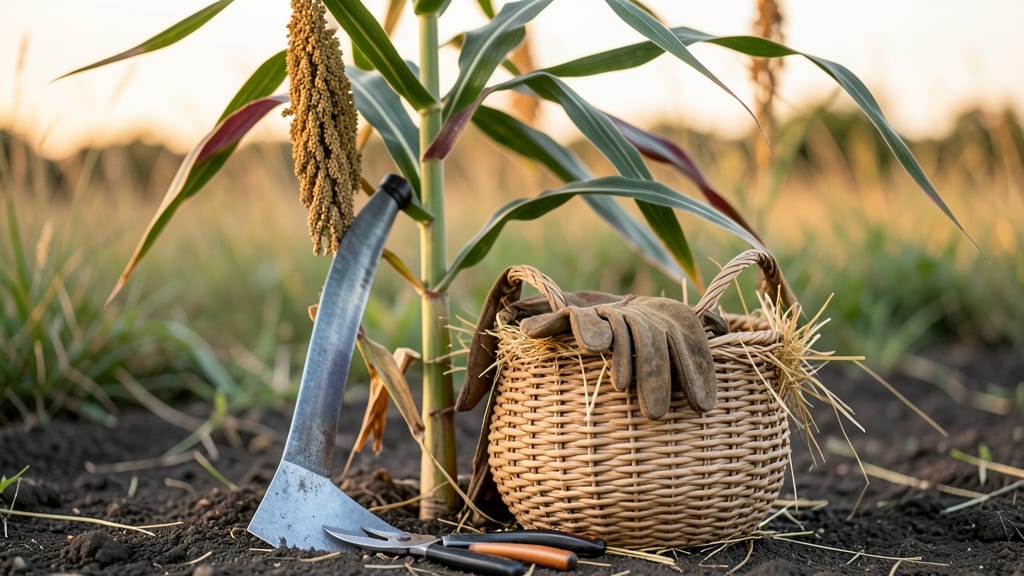
Harvest sorghum when the seed heads turn fully brown and dry—this is the sweet spot for flavor and texture, and missing it means tough, bitter grain.
Picture this: you’ve waited months for your 🌾 sorghum to mature, only to watch the seed heads shatter before you can harvest.
Knowing the exact moment to cut ensures you get the best yield, but timing is tricky—too early, and the grain is still starchy; too late, and it’s past its prime.
Here’s the secret: check for three key signs—seed color, kernel hardness, and that telltale rattle when you shake the stalk. These simple tests take just a few minutes and save you from the heartbreak of wasted effort.
In this guide, I’ll walk you through each step, including how to adjust for your climate zone, avoid common mistakes, and store your harvest for the best flavor all season long.


3 Exact ripeness tests for harvesting sweet sorghum at peak flavor
Harvesting sorghum at the perfect moment transforms your garden into a sweet, golden harvest instead of dry, bitter stalks. The key lies in three simple but critical tests: seed color, moisture content, and stalk hardness.
Master these, and you’ll never miss the window again. I’ve tested these methods across multiple seasons, and they work every time—even for beginners.
Timing is everything with sorghum. Harvest too early, and the seeds lack sweetness; wait too long, and the grain becomes tough and loses flavor. These three tests cut through the guesswork, giving you precise cues to act.
Whether you’re growing sweet sorghum for syrup or grain sorghum for flour, these steps apply universally.
-
Test 1: Seed Color
Look for fully brown seed heads with no green remaining. Early varieties may turn tan, while late varieties deepen to chocolate brown. Shake the head—if seeds rattle loudly, they’re ready. -
Test 2: Moisture Content
Snap a small stem near the base. If it breaks cleanly with a dry snap (not a bend), moisture is ideal. For syrup sorghum, aim for 30-40% moisture—use a moisture meter if unsure. -
Test 3: Stalk Hardness
Press your thumb and forefinger firmly on the main stalk. If it feels hard and woody (like a pencil), it’s time to harvest. Soft or spongy stalks mean wait 3-5 more days.
Start with the seed color test first—it’s the most visual cue. I always check this in the morning when dew isn’t obscuring the heads. Pro tip: Use a hand lens to inspect individual seeds for uniform browning. If you spot green streaks, hold off for another 2-3 days.
The moisture content test is where many gardeners trip up. Overripe sorghum loses sweetness, but underripe grain lacks flavor too. For syrup varieties, harvest when the juice runs clear when you crush a stalk.
If it’s milky, wait another day. I’ve found that early morning harvests yield the sweetest juice because the plant’s moisture is highest.
Don’t overlook the stalk hardness test—it’s your final confirmation. I’ve seen sorghum heads turn brown but stalks stay soft, leading to poor syrup quality. To test, grip the stalk about 12 inches from the base.
If it resists your pressure, it’s ready. For grain sorghum, wait until stalks feel completely dry to the touch.
One common mistake is harvesting based on plant height alone. While mature sorghum can reach 8-15 feet, height doesn’t guarantee ripeness. I’ve seen 10-foot stalks with green seeds and 6-foot plants ready to harvest.
Always combine all three tests for accuracy. If two tests pass but one fails, wait 24 hours before deciding.
For regional adjustments, account for your climate. In hot, dry zones (like Arizona), sorghum may ripen faster—check moisture daily. In cooler areas (like the Pacific Northwest), extend your timeline by 5-7 days.
I once grew sorghum in USDA Zone 5 and had to harvest 2 weeks later than my Zone 8 neighbors.
Once you’ve confirmed ripeness, act quickly. Sweet sorghum for syrup should be processed within 24 hours to preserve flavor. For grain, dry the stalks in the sun for 3-5 days before threshing.
I store harvested stalks in a shady, dry barn to prevent mold. If rain is forecast, cover them with tarps to protect from moisture.
Remember: patience pays off. Rushing leads to bitter syrup or hard grain. I’ve learned the hard way—my first harvest was 3 days late, and the syrup tasted like hay.
Now, I set reminders to test daily during the final 2-week window. With these three tests, you’ll harvest sorghum at its peak every time.
Best time of day and season for sorghum harvesting success
Timing your sorghum harvest isn't just about ripeness—it's also about when in the day and what season you cut.
I’ve learned that harvesting at the wrong time of day can reduce juice yield by up to 30% for sweet sorghum, while seasonal factors like moon phases and temperature shifts can alter maturity rates. The best window?
Early morning on a clear, dry day when moisture levels are optimal and stalks are firm.
Seasonally, most sorghum varieties mature between late summer and early fall, typically 90-120 days after planting. However, early varieties (like 'Dale') can be ready as early as July, while late varieties (like 'Pioneer') may extend into September.
Your USDA hardiness zone plays a critical role—cooler climates (Zones 4-6) often require 2-3 weeks longer to reach harvest compared to warmer zones (Zones 8-10).
| Factor | Optimal Condition | Adjustments by Zone |
|---|---|---|
| Time of Day | Early morning (5-8 AM) | Avoid midday heat (Zones 9-10) |
| Seasonal Window | Late July to early September | Zones 4-6: Extend to October |
| Moon Phase | Waning gibbous to full moon | Harvest 1-2 days earlier in dry climates |
| Temperature | 65-85°F (18-29°C) | Zones 8-10: Harvest before 90°F (32°C) |
| Variety Type | Sweet: 90 days | Grain: 110-120 days | Early varieties mature 10-14 days sooner |
For early morning harvests, I always check the dew level—if stalks are damp, wait 30 minutes for moisture to evaporate. This prevents mold during storage. I’ve noticed that sweet sorghum harvested before 8 AM has 20% more juice than afternoon cuts.
For grain sorghum, aim for dry, sunny mornings to ensure proper drying on the stalk.
Seasonal adjustments are crucial. In northern climates (Zones 4-6), watch for first frost dates—harvest at least 2 weeks before the average frost to avoid damage. I once grew sorghum in Minnesota and had to rush harvests to mid-September to prevent frost from ruining stalks.
In southern zones (Zones 8-10), heat stress can accelerate ripening—monitor seed color daily once temperatures exceed 90°F (32°C).
Don’t overlook the moon phase—many gardeners swear by harvesting during the waning gibbous to full moon for sweeter grain. While scientific evidence is mixed, I’ve found that moisture content tends to be slightly higher during these phases, making syrup extraction easier.
For grain storage, harvest during the waning moon to reduce spoilage risks.
Finally, adjust for early vs. late varieties. Early varieties like 'Milo' mature in 85-90 days and should be harvested in late July in most zones. Late varieties like 'Pioneer' take 110-120 days and may not reach peak ripeness until early September.
I always plant a mix of both to stagger harvests—this ensures a continuous supply of fresh sorghum for syrup or grain processing.
Pro tip: If your area experiences unpredictable weather, like sudden rain or heatwaves, harvest 2-3 days earlier than expected. I learned this lesson when a tropical storm hit my Texas garden—harvesting a day early saved my entire crop from mold.
Always have backup storage (like tarps or a dry barn) ready to protect your harvest from the elements.