
Planting
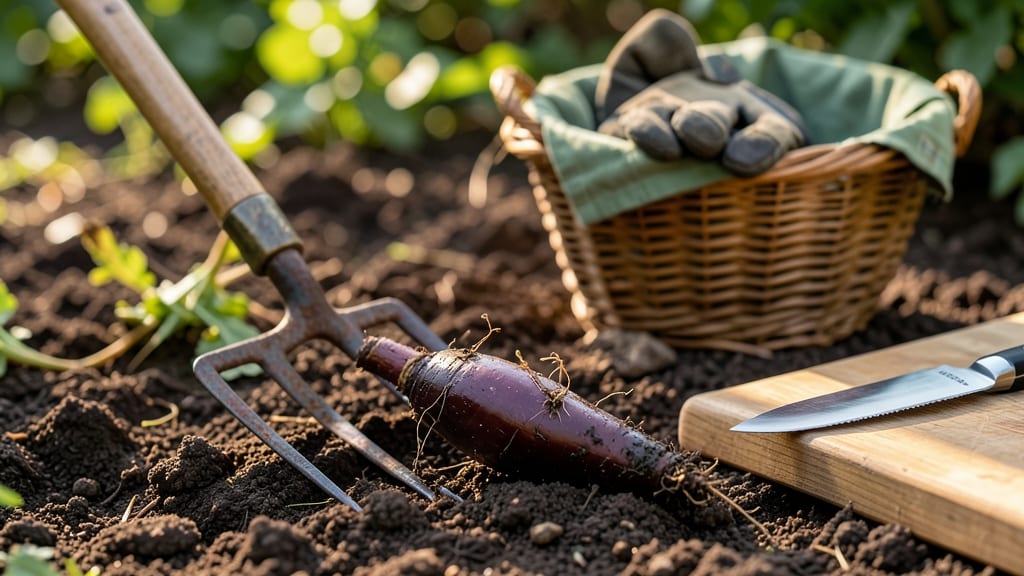
Harvesting chicory root at the right time means the difference between a sweet, flavorful crop and a bitter disappointment 🌱 — and the perfect moment arrives when the leaves start yellowing naturally.
If you’ve spent months nurturing your chicory plants, waiting for that perfect harvest can feel like an eternity—but timing is everything when it comes to digging chicory roots for the best flavor and yield.
You’ll know it’s time when the outer leaves turn yellow and wilt, the roots reach 6-8 inches in length, and the stem pulls away easily. Miss this window, and you risk a fibrous, underdeveloped root that won’t store well or taste right.
Below, I’ll walk you through the step-by-step process—from digging to cleaning and storage—plus the common mistakes that turn a great harvest into a wasted effort.


Best time to harvest chicory root for optimal flavor and yield
Timing your chicory root harvest correctly transforms a good crop into an exceptional one. Unlike leafy greens, chicory roots develop sweetness and depth when left in the ground longer—typically 5-6 months after planting.
But knowing exactly when to dig makes all the difference between a mild, fibrous root and one packed with flavor.
Most gardeners focus on fall harvests (September-October) because cooler temperatures enhance sugar content. However, chicory can also be left in the ground over winter for a spring harvest, though this requires protection from freezing. The key is watching for visual maturity cues rather than relying solely on calendar dates.
Weather conditions play a critical role too. Harvesting after a light frost (but before hard freezing) can sweeten roots further, while hot, dry spells before harvest may concentrate flavors but risk stressing plants. Let’s break down the exact signals to watch for and how to maximize both yield and storage potential.
| Harvest Window | Key Indicators | Ideal Conditions | Storage Potential |
|---|---|---|---|
| Fall (Sept-Oct) | Leaves yellow/brown, roots 6-8" long, firm texture | Cool temps (50-60°F), no frost for 1-2 weeks | Excellent (sweeter, stores 3-6 months) |
| Spring (April-May) | Leaves wilt completely, roots thick and woody | Soil >50°F, no hard frost risk | Good (best used fresh or roasted) |
| Overwintered | Roots survive frost, leaves regrow in spring | Mulch heavily, protect from freezing | Moderate (may lose some sweetness) |
The root size is your best friend when deciding harvest time. Aim for roots that are 6-8 inches long and at least 1-2 inches thick. Smaller roots (under 6 inches) will be tough and bitter, while oversized roots (over 10 inches) may become woody and less flavorful.
Run your fingers along the soil surface—if you can feel a thick, cylindrical root just beneath, it’s ready.
Don’t ignore the leaves either! Mature chicory plants signal readiness by yellowing and wilting from the outer edges inward. The inner leaves should still look green, but the outer leaves should be crispy and brown.
This natural drying process concentrates sugars in the root—almost like nature’s way of curing it for you.
Weather conditions in the weeks leading up to harvest can dramatically affect flavor. A dry spell before harvest (but not drought) helps concentrate sugars, while excessive rain can dilute flavor and make roots more prone to rot. If you’re harvesting in fall, wait until after the first light frost (28-32°F) to sweeten the roots further, but avoid harvesting after a hard freeze.
For gardeners in USDA Zone 6a or colder, overwintering chicory is a smart strategy. After the first frost, mulch heavily with straw or leaves to protect roots. In early spring, the roots will regrow leaves and can be harvested when they reach maturity again.
This extends your growing season by 6-8 months and often yields larger, sweeter roots.
If you’re storing chicory roots long-term, harvest before the first hard frost in fall. Roots stored in a cool (32-40°F), dark place with high humidity (like a root cellar) can last 3-6 months.
For immediate use, harvest when roots are firm and crisp—these will be ideal for roasting or making coffee substitutes.
One final pro tip: Harvest on a dry day to make cleaning easier. Wet soil clings to roots, speeding up spoilage. Use a sharp garden fork to loosen soil gently, then brush off debris. Avoid washing until ready to use—excess moisture shortens storage life.
🌱
Step-by-step guide: how to properly dig and prepare chicory roots
Once your chicory plants show yellowing leaves and 6-8 inch roots, it’s time to harvest—but digging too soon or too late ruins the flavor. The key is precision: use the right tools and techniques to avoid damaging those tender roots while keeping them fresh for storage or immediate use.
I’ll walk you through each step, from gathering your tools to storing the roots long-term. Skipping any of these can lead to bitter roots or spoilage, so let’s get started with the essentials.
How to Harvest Chicory Roots
- 1 Gather tools: Grab a garden fork, pruning shears, a bucket of water, and gardening gloves to protect your hands.
- 2 Cut leaves: Snip off the outer leaves first, leaving the inner leaves intact to protect the root during digging.
- 3 Loosen soil: Use your garden fork to gently loosen the soil around the root base, working in a circular motion to avoid piercing the root.
- 4 Lift roots: Grip the stem base and pull upward with steady pressure—never twist to prevent breaking the root.
- 5 Clean roots: Rinse roots under cool water to remove soil, then trim any damaged tips with pruning shears.
- 6 Dry thoroughly: Lay roots on a clean towel in a shady, dry spot for 2-3 hours to prevent mold.
- 7 Store properly: Store roots in a paper bag or mesh bag in a cool, dark place (50-60°F) for up to 3 months.
After digging, never wash chicory roots until you’re ready to use them—excess moisture speeds up spoilage. Instead, store them in a well-ventilated container to keep them crisp for longer.
If you’re planning to roast the roots for a coffee substitute, wait until just before roasting to clean them. Roasting fresh roots intensifies their caramel-like flavor and reduces bitterness.
Pro tip: Label your storage bags with the harvest date to track freshness—roots stored beyond 3 months may develop a woody texture or off-flavors.
With these steps, you’ll harvest sweet, high-quality chicory roots ready for storage, roasting, or even eating raw in salads 🥔.