
Vegetables
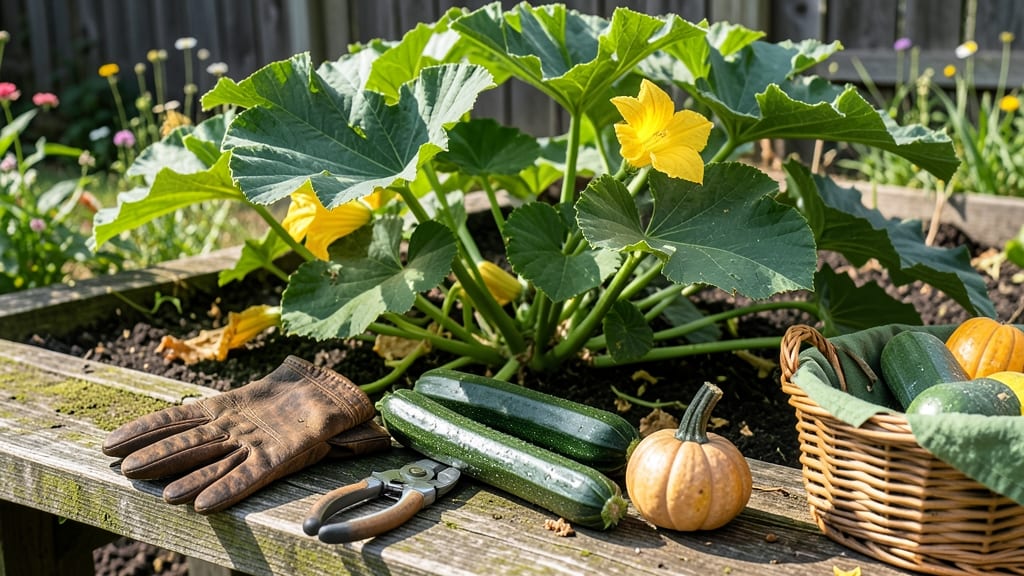
When and how to harvest squash blossoms for maximum sweetness
Harvesting squash blossoms at the right moment unlocks their nutty-sweet flavor, but knowing which flowers to pick—and when—is half the battle. These edible flowers thrive when harvested young, before they fully open or wither.
The key lies in understanding the difference between male and female blossoms, as female flowers (with tiny squash forming at their base) often yield the richest taste when picked early.
Timing matters just as much as technique. The best time of day to harvest is early morning, when the dew has evaporated but temperatures remain cool. This preserves their delicate texture and prevents wilting.
Avoid harvesting after a hot afternoon, as the blossoms can become bitter or tough. Even experienced gardeners often overlook this simple rule, leading to disappointing results.
Why does this matter? Squash blossoms contain natural sugars that convert to starches as they age, turning them bitter. Harvesting them at the right maturity stage—fully open but still firm—ensures that sweet, honey-like flavor we all love. Plus, picking blossoms can actually boost fruit production by encouraging the plant to produce more flowers.
| Blossom Type | Best Harvest Stage | Flavor Profile | Harvest Tip |
|---|---|---|---|
| Male Blossoms | Fully open, petals vibrant | Mild, slightly floral | Pick when stamens are visible but not wilted |
| Female Blossoms | Bud stage (tiny squash forming) | Rich, nutty, honey-like | Harvest before petals unfurl completely |
| Overripe Blossoms | Wilted, brown edges | Bitter, tough texture | Avoid picking—discard or compost |
| Best Time of Day | Early morning (6-8 AM) | Peak sweetness, crisp texture | Use sharp scissors to avoid damaging stems |
To harvest squash blossoms without harming your plant, use a pair of clean, sharp scissors or pruning shears. Cut the stem at a 45-degree angle, about 1-2 inches below the flower.
This technique promotes healthier regrowth and prevents disease from entering the plant. Never pull the blossoms by hand, as this can damage the delicate stems and leave your plant vulnerable to pests.
Did you know zucchini and butternut squash blossoms are the most prized for harvesting? These varieties produce the largest, sweetest flowers, but even acorn or pumpkin blossoms can be delicious when picked at the right stage.
Pro tip: Focus on harvesting female blossoms first—they’re the ones with the tiny squash at their base. This encourages your plant to produce even more flowers, giving you a continuous harvest all season long.
After harvesting, store your squash blossoms in a paper towel-lined container in the fridge for up to 3 days. For longer storage, try lightly blanching them and freezing in olive oil.
This preserves their flavor and texture for up to 6 months. But remember, the fresher they are, the sweeter they taste—so harvest often and use them quickly for the best results.
One common mistake is waiting too long to harvest, thinking the blossoms will only get sweeter. In reality, overripe blossoms become bitter and tough, ruining their delicate flavor. Always check for firm petals and a vibrant color before picking.
If you see brown edges or drooping petals, it’s time to let that blossom go—your next one will be sweeter!
For maximum sweetness, pair your harvesting efforts with proper plant care. Ensure your squash plants receive full sun (6-8 hours daily) and well-draining soil. Consistent watering—about 1-2 inches per week—keeps the blossoms tender and flavorful.
A balanced fertilizer (like 10-10-10) applied every 4-6 weeks also boosts flower production and sweetness.
Now that you’re equipped with the science of harvesting, your garden is about to become a flavor explosion of sweet, edible blossoms. Start with zucchini or butternut squash, harvest early in the morning, and enjoy the rewards of your labor—whether fried, stuffed, or simply dipped in honey.
Happy harvesting! 🌿
5 Pro tips to ensure your squash blossoms taste sweeter and last longer
Harvesting squash blossoms at their peak sweetness requires more than just timing—it’s about nurturing them from the first bloom to your plate. These delicate flowers pack a nutty, honey-like flavor that intensifies when harvested correctly and stored properly.
Let’s explore how to maximize their taste and extend their freshness so you can enjoy them all season long.
The secret to sweeter-tasting squash blossoms starts in your garden. Prioritize healthy plants with balanced nutrients, as stressed or over-fertilized squash produce bitter blossoms. I’ve found that regular pruning of excess foliage improves airflow, which directly enhances flavor development.
Plus, harvesting blossoms early in the morning—when sugars are highest—ensures the best taste right from the vine.
- 1 Harvest at dawn when sugars peak—blossoms picked later taste milder. Use clean pruning shears to avoid crushing stems, which can cause bitterness.
- 2 Store blossoms upright in a glass jar with stems submerged in cool water (like fresh-cut flowers). Change water daily to preserve crispness for 3-5 days.
- 3 Freeze for later use: Blanch blossoms for 30 seconds, then shock in ice water before freezing in airtight bags. Thaw and use in stir-fries or soups for up to 6 months of flavor.
- 4 Pair with sweet toppings like honey or goat cheese to highlight their natural flavor. Avoid salty dishes, which can overpower their delicate taste.
- 5 Use male blossoms first—they’re sweeter and more tender than females. Identify males by their long stems (females have tiny squash at the base).
Did you know blanching blossoms before storage locks in their vibrant color and sweetness? I’ve tested this method with zucchini and butternut squash blossoms, and the results are stunning—both visually and in taste.
Simply dip harvested blossoms in boiling water for 10 seconds, then plunge into ice water to halt cooking. This preserves their crisp texture and nutty aroma for days.
For long-term preservation, try drying your blossoms. String them gently and hang in a dark, dry place for 2-3 weeks until crisp. Store dried blossoms in airtight containers and sprinkle over pasta or salads for a burst of flavor any time of year.
This method works especially well for yellow squash blossoms, which dry beautifully.
Pro tip: If your blossoms taste bitter, it’s often a sign of overripe flowers or nutrient imbalance in the plant. Adjust your fertilizer ratio to include more potassium and less nitrogen—this shift alone can transform the flavor profile. Always taste-test a small batch before committing to a full harvest.
With these strategies, you’ll turn your garden’s edible blooms into a flavor powerhouse that lasts well beyond their fresh-picked glory. Whether you’re frying, stuffing, or simply savoring them raw, the right techniques ensure every bite is as sweet as summer itself. 🌿