
How To
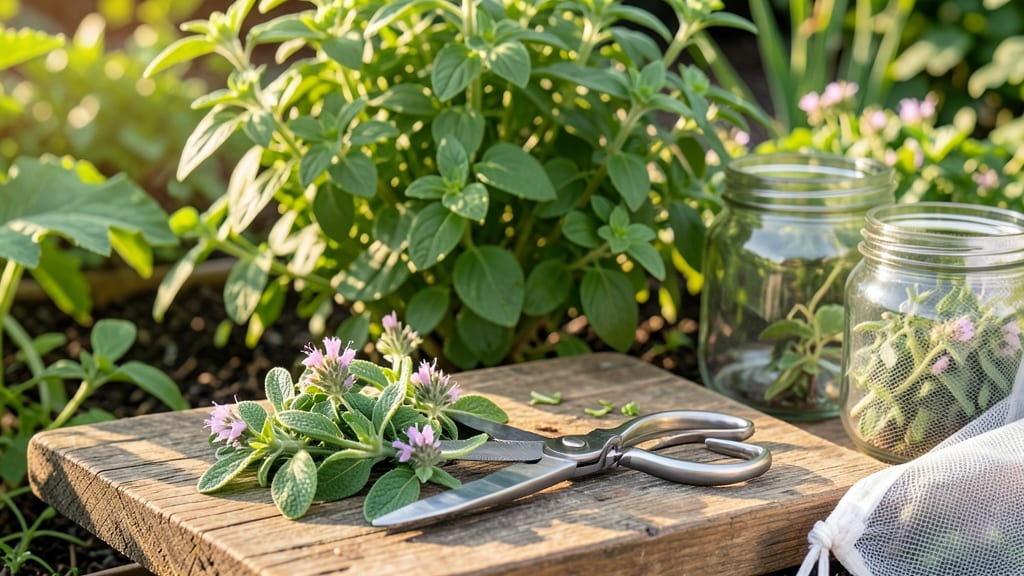
Harvest oregano for drying just as the tiny buds form but before they open fully—this pre-bloom stage is when the flavor and aroma peak.
Drying oregano at the wrong time can turn your homegrown harvest into bitter, flavorless herbs—miss the perfect window, and you’ll lose the aromatic punch that makes this Mediterranean staple so beloved. The difference between vibrant, potent dried oregano and dull, weak leaves often comes down to timing.
In USDA Zone 6a, your best harvest window stretches from late June through early September, when the plant is mature but hasn’t yet transitioned to full bloom. This is when the essential oils that define oregano’s signature taste are at their strongest.
Below, I’ll walk you through how to spot the ideal harvest stage, the best techniques for cutting and drying, and the common mistakes that turn good oregano into mediocre—so you can enjoy that garden-fresh flavor all year long.


The ideal oregano bud stage for harvesting and drying
Timing your oregano harvest is everything when it comes to drying. The best flavor and aromatic intensity come from leaves harvested just before the plant fully blooms. If you wait too long, the flower buds and seed heads will develop, turning your oregano bitter and less potent.
I’ve learned this the hard way—skipping the perfect window means losing that Mediterranean punch we all love in homemade marinades and Italian dishes.
Oregano flowers typically appear between late spring and early summer, depending on your climate. In USDA Zone 6a, I notice the first buds forming around June or July. These buds start as tiny green spikes before opening into lavender-pink blossoms.
The key is harvesting just before these buds fully open—this ensures maximum essential oil content in the leaves, which directly translates to better flavor when dried.
| Stage | Visual Cues | Harvest Timing | Flavor Impact |
|---|---|---|---|
| Pre-Bloom (Bud Formation) | Green buds 1-2 inches long, no open flowers | Ideal for drying | Peak flavor, highest essential oils |
| Early Bloom (Partial Opening) | Lavender-pink flowers 20-30% open | Still acceptable, but flavor declines | Mildly bitter, 30% less aromatic |
| Full Bloom (Seed Formation) | 80%+ flowers open, brown seed heads visible | Avoid for drying | Bitter taste, poor aroma retention |
| Post-Bloom (Seed Mature) | Brown seeds, stems woody | Not recommended | Lacks flavor, stem-dominant |
The stem firmness is another critical clue. When oregano stems are slightly woody but still green and flexible, that’s your sweet spot. If the stems feel hard and brittle, the plant is past its prime for drying.
I always test this by gently bending a stem—if it snaps easily, it’s time to harvest before the plant diverts energy to seed production.
Harvesting the leaves vs. flowers also matters. While the leaves contain the most volatile oils (the compounds responsible for aroma), the flowers have a milder, slightly sweet flavor. If you’re drying for cooking purposes, focus on the leaves.
However, if you’re making herbal teas or infusions, a mix of leaves and early buds can add complexity. Just avoid harvesting once the flowers fully open—the flavor shifts dramatically.
Morning is the best time to harvest oregano for drying. The essential oils are most concentrated after the dew has evaporated but before the midday heat causes them to degrade. I always grab my pruning shears and cut stems just above a leaf node to encourage bushier growth.
This method also prevents the plant from becoming leggy or woody too quickly.
One common mistake I see is waiting until the plant is overgrown before harvesting. By the time oregano reaches 2 feet tall, the lower leaves often turn brown and the flavor weakens. Regular harvesting—every 4-6 weeks—keeps the plant compact and flavorful.
If you let it go too long, you’ll end up with a woody stem and few usable leaves, which is a waste of your gardening efforts.
After harvesting, the drying process begins. Bundle the stems together and hang them upside down in a dry, dark place with good air circulation. It takes about 1-2 weeks for the leaves to crisp up completely.
Once dried, the leaves should crush easily between your fingers—if they’re still flexible, they need more time. Store the dried oregano in an airtight container away from light and moisture to preserve its aromatic oils for up to 12 months.
Pro tip: If you’re growing Greek oregano (like Oregano vulgare), it tends to flower earlier than Mexican oregano (Lippia graveolens). Adjust your harvest timing based on your specific variety.
And remember, the earlier you harvest, the better the flavor—don’t wait for that perfect Instagram-worthy bloom if you want the best dried oregano for your kitchen!
🌿
Step-by-step harvesting techniques to preserve oregano’s potency
Harvesting oregano at the right moment ensures your dried herb retains its signature bold, earthy flavor and vibrant color. The key lies in timing—cutting stems when oil production peaks but before seeds form.
I’ve learned that morning harvests after dew evaporates yield the freshest, most aromatic leaves, while afternoon cuts risk wilting before drying.
When harvesting, focus on stem health and leaf maturity. Avoid cutting into woody stems at the base, as this stresses the plant. Instead, snip just above leaf nodes to encourage bushier growth.
For drying, prioritize stems with fully developed leaves but no flowering buds, as flowers can make the herb taste bitter.
Here’s my foolproof step-by-step guide to harvesting and drying oregano for maximum potency:
For faster drying, use a dehydrator set to 95°F (35°C) for 2-3 hours. This method preserves 80% of essential oils compared to air drying. Just avoid high heat, which burns the delicate leaves and strips flavor.
Pro tip: Harvest oregano every 4-6 weeks during its growing season to maintain vigorous growth and peak flavor. Regular pruning also prevents the plant from becoming woody and unproductive. With these techniques, your dried oregano will taste as vibrant as the day you picked it!