
Picking
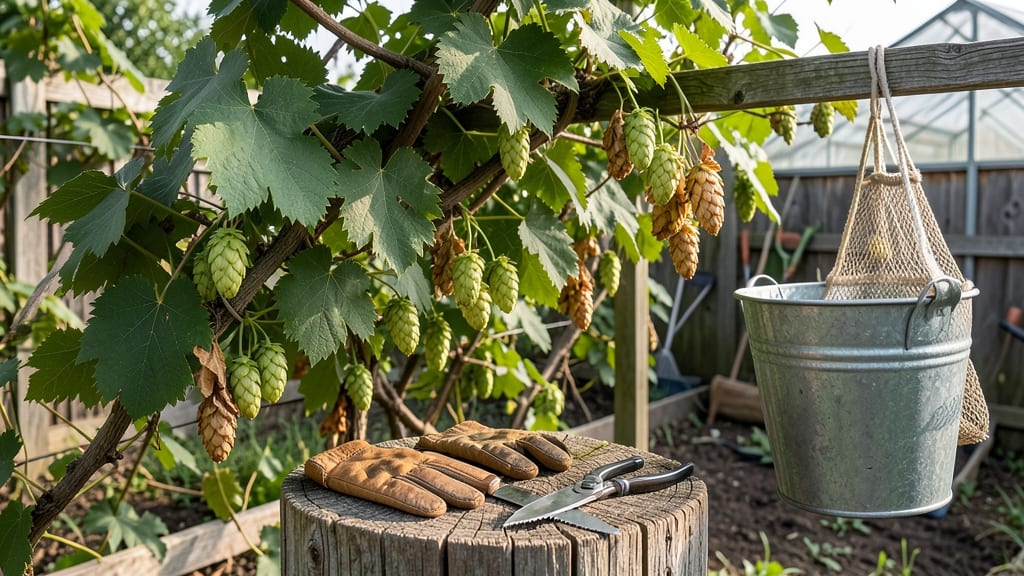
Harvesting hops at the right time transforms your garden into a golden treasure trove of flavor—miss the window, and you’re left with bitter, underripe cones that’ll ruin any brew.
Timing your hops harvest perfectly can mean the difference between bitter disappointment and a golden harvest bursting with aromatic potential—here’s how to nail the window when cones turn golden and break for peak flavor.
Most hop varieties reach their prime between late August and early October, when cones turn a rich golden-yellow and release with a gentle twist. But don’t just guess—check for lupulin glands (tiny yellow dots) and avoid harvesting after the first frost, which kills flavor fast.
In this guide, I’ll walk you through the exact signs to watch for, how to test cone readiness, and why a 5-degree temperature drop can turn your harvest from stellar to spoiled in hours.

How to determine the exact hops harvest time by cone development
Timing your hops harvest is all about watching the cone development and environmental cues. When those golden-yellow cones appear and pass the break test, you know it’s time to act.
But how do you spot these signs? Let’s break down the key indicators that tell you your hops are ready for harvest.
The first visual clue is the cone color change. Early in the season, cones start green but gradually turn golden-yellow as they mature. This color shift signals that the lupulin glands—those tiny yellow dots inside the cones—are fully developed and packed with flavor.
Look closely; these glands are your best friend for determining peak harvest time.
Next, perform the break test, a simple but crucial step. Gently pinch a cone between your fingers. If it easily detaches from the bine with just a little pressure, it’s ready.
If it resists or snaps off cleanly, it’s not quite there yet. This test ensures you’re harvesting at the perfect moment for maximum aroma and flavor.
| Harvest Cue | Aroma Hops | Dual-Purpose Hops | Alpha Hops |
|---|---|---|---|
| Cone Color | Golden-yellow | Golden-yellow to light brown | Deep golden-yellow |
| Break Test | Easily detaches | Easily detaches | Firm but breaks cleanly |
| Lupulin Glands | Clearly visible | Highly visible | Highly concentrated |
| Ideal Harvest Window | Late August - Early Sept | Early Sept - Mid-Sept | Mid-Sept - Late Sept |
| Temperature Range | 60-75°F | 65-75°F | 70-80°F |
Environmental factors like temperature and humidity also play a role. Ideal harvest conditions include dry, warm days with temperatures between 60-80°F. High humidity can lead to mold, so aim to harvest on a sunny, breezy day to ensure your cones stay fresh and dry quickly.
For aroma hops, like Cascade or Citra, harvest early in the season when cones are golden-yellow but still plump. These varieties are prized for their flavor and aroma, so timing is critical.
Dual-purpose hops, such as Fuggle or Cluster, can be harvested slightly later, as they balance both alpha acids and aroma.
Alpha hops, like Columbus or CTZ, should be left on the vine a bit longer. Their high alpha acid content means they’ll develop more bitterness, so wait until cones are deep golden-yellow and fully detached with minimal effort. This ensures maximum bitterness for brewing.
Don’t wait too long, though. Overripe cones can become brown and brittle, losing flavor and aroma. If you miss the window, you might end up with oxidized hops that ruin your brew.
Keep an eye on your plants and act quickly when you see those golden cones ready to break.
Pro tip: Harvest in the morning hours when cones are cool and dew-free. This reduces stress on the plant and helps preserve the essential oils that give your hops their signature flavor. Once harvested, handle cones with care—avoid crushing them—and dry them properly to lock in that fresh-picked quality.
With these visual cues and environmental tips, you’ll never miss the perfect hops harvest time again. Your future brews will thank you for the extra effort! 🌿✂️
Critical mistakes that ruin your hops harvest (and how to avoid them)
Harvesting hops at the wrong time can turn your hard work into bitter disappointment. One of the biggest mistakes is harvesting too early—when cones are still green or partially green, they lack the aromatic oils that make hops valuable.
These underripe cones will produce a harsh, grassy flavor in your brew, no matter how carefully you process them.
On the flip side, waiting too long means risking oxidized cones or even frost damage. A single night below 32°F can destroy flavor compounds, leaving you with cones that smell like wet cardboard. Even if the cones look golden, a sudden temperature drop can ruin them overnight.
Weather delays are another common issue—rainy or humid conditions can make cones moldy or discolored before they’re ready. If you’re facing unpredictable weather, prioritize harvesting aroma hops first, as they degrade faster than alpha hops.
Once cones turn golden and detach easily, harvest within 24 hours—delaying risks lupulin degradation, which reduces alpha acids and aroma compounds. If weather forces a wait, store cones in a cool, dark place (below 60°F) and harvest as soon as possible.
Improper storage is another silent harvest killer. Storing freshly picked hops in plastic bags or humid conditions causes mold and spoilage. Instead, dry cones within 48 hours in a well-ventilated area with 60-70°F temperatures and 50% humidity. Use a fan or dehumidifier to speed up drying and prevent mold.
If you’ve already harvested too late or stored cones improperly, don’t toss them—salvage what you can. Spread cones on a drying rack in a cool, dark space and monitor for mold daily.
Discard any cones with black spots or musty smells, but use the rest in low-alpha recipes where flavor trumps bitterness.
Finally, avoid mechanical harvesting unless you’re experienced—aggressive picking can damage cones and reduce yield. Hand-picking ensures you only take fully ripe cones, maximizing flavor and aroma. If you must use tools, opt for soft, flexible harvesters designed for hops.
By watching for these mistakes and acting quickly, you’ll turn your hops harvest into a flavor-packed success—not a gardening regret. 🌿