
How To
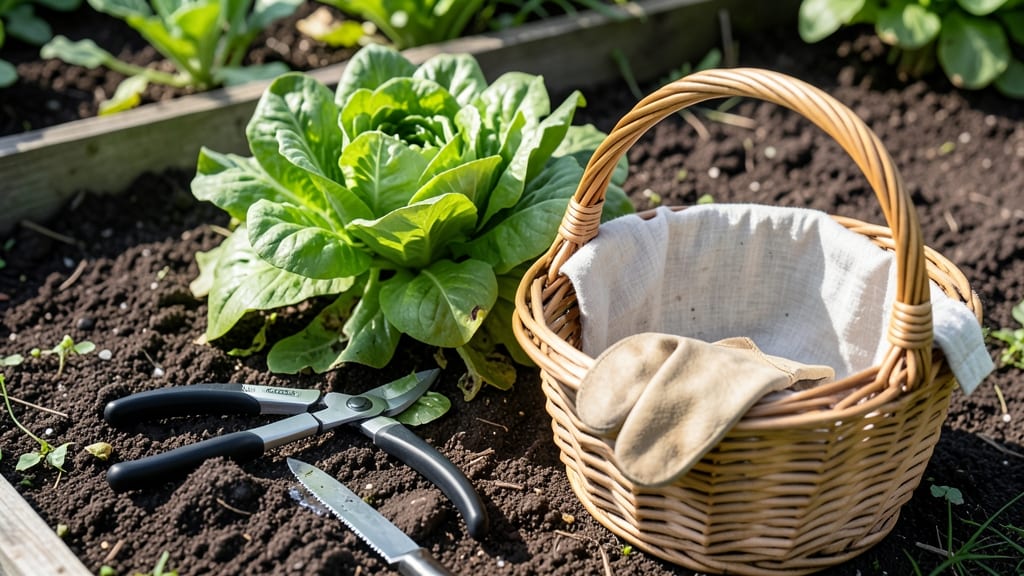
Harvesting Bibb lettuce properly ensures tender, sweet leaves 🥬 and encourages the plant to regrow for a second harvest—if you cut too late, you risk bitterness and wasted effort.
Picture this: you’ve waited 6 weeks for your Bibb lettuce to mature, only to pull a leaf that tastes like overcooked spinach. That’s what happens when you harvest too late or don’t know the right technique.
The good news? With the right timing and cutting method, you can enjoy fresh greens for weeks.
Timing is everything—outer leaves should be 4-6 inches long and deep green, while the inner core stays protected for regrowth. Miss this window, and you’ll end up with tough, bitter leaves that no salad can save.
Below, I’ll walk you through the exact steps to harvest Bibb lettuce at peak flavor, how to cut for regrowth, and what to do if your lettuce bolts before you’re ready.
By the end, you’ll know not just when to harvest but how to do it—so you can enjoy crisp, flavorful Bibb lettuce all season long without the guesswork.


When and how to harvest Bibb lettuce for maximum regrowth
Harvesting Bibb lettuce at the perfect moment ensures you enjoy its signature tender, buttery texture and delicate flavor. Unlike many greens, Bibb lettuce is designed to regrow after harvesting, but only if you follow the right techniques.
The key lies in timing and precision cutting—harvest too early, and you waste potential; harvest too late, and the leaves turn bitter and tough. Let’s break down the exact visual cues and steps to maximize your yield while keeping your plants productive.
Bibb lettuce thrives in cool-season conditions, typically between 30–60 days after planting, depending on your climate. In warmer regions, you can extend harvests by providing partial shade and consistent moisture.
The ideal harvest window is when outer leaves reach 4–6 inches long and develop a deep, vibrant green color. This stage ensures the leaves are fully mature but still tender—perfect for salads, wraps, or cooking. Waiting too long risks bolting (flowering) or bitterness, especially as temperatures rise.
Step-by-Step Guide to Harvesting Bibb Lettuce
-
Step 1: Check Leaf Size
Harvest outer leaves when they reach 4–6 inches long. Use your fingers to gently pinch the leaf—if it snaps easily, it’s ready. Avoid harvesting leaves smaller than 4 inches, as they won’t regrow well. -
Step 2: Inspect Leaf Texture
Press a leaf between your fingers. It should feel tender and slightly crisp, not woody or fibrous. Woody leaves indicate over-maturity and reduced flavor. -
Step 3: Use the Right Tools
Grab a sharp pair of scissors or pruning shears (sterilized with rubbing alcohol). Avoid using your fingers to tear leaves, as this can damage the plant and invite pests. -
Step 4: Cut at the Base
Make a clean cut 1/4 inch above the soil line at a 45-degree angle. This prevents water from pooling on the stem, reducing rot risk. Cut only the outer leaves, leaving the inner rosette intact. -
Step 5: Leave the Core for Regrowth
Never harvest more than 1/3 of the plant at once. The inner leaves will continue growing, producing a continuous harvest for 4–6 weeks if cared for properly. -
Step 6: Water and Fertilize After Harvesting
Give the plant a deep watering immediately after cutting. Apply a light nitrogen fertilizer (like 5-10-10) within 24 hours to encourage new leaf growth.
Seasonal adjustments are crucial for year-round harvesting. In spring and fall, when temperatures are mild (below 75°F), Bibb lettuce grows quickly and regrows well. However, during summer heat, the plant may bolt or develop bitter flavors.
To combat this, provide afternoon shade and mulch the soil to retain moisture. In winter, grow Bibb lettuce under row covers or in containers near a sunny window to extend the harvest season.
One common mistake is harvesting the entire head at once, which defeats the purpose of regrowth. Instead, focus on cut-and-come-again harvesting: trim just the outer leaves while leaving the inner core.
This method not only prolongs your harvest but also encourages the plant to produce larger, more tender leaves over time. Think of it like trimming a hedge—you’re shaping the plant to keep it productive.
After harvesting, store your Bibb lettuce properly to maintain freshness. Rinse leaves gently in cool water, dry thoroughly with a salad spinner or clean towel, and wrap them in a paper towel before placing in a sealed container.
Store in the crisper drawer of your fridge for up to 5–7 days. For longer storage, blanch and freeze the leaves, but this method works best for cooked dishes rather than raw salads.
To encourage maximum regrowth, monitor your Bibb lettuce closely after each harvest. Look for signs of nutrient deficiency, like yellowing leaves, which may indicate a need for fertilizer or compost. Also, watch for pests like aphids or slugs, which can stress the plant.
Remove any damaged leaves immediately and treat with neem oil or diatomaceous earth if needed. With the right care, a single Bibb lettuce plant can provide harvests for months!
If your Bibb lettuce starts to bolt (send up a flower stalk), don’t panic. While it’s not ideal for leaf production, you can still enjoy the mild, slightly nutty flavor of the seeds or young flower buds.
To prevent bolting, ensure your plants receive consistent moisture and partial shade, especially as temperatures rise. Some gardeners even harvest the entire head before bolting occurs, using the leaves in soups or stir-fries where bitterness is less noticeable.
Timing your harvests correctly is the secret to enjoying sweet, tender Bibb lettuce all season long. By following these steps—checking leaf size, cutting precisely, and encouraging regrowth—you’ll turn your garden into a continuous salad bar.
Whether you’re a beginner or a seasoned gardener, mastering this technique will save you money and keep your kitchen stocked with fresh greens.
Signs your Bibb lettuce is over-mature and how to fix it
If your Bibb lettuce leaves are turning bitter or developing tough, fibrous textures, it’s likely a sign of over-maturity. This happens when you harvest too late or let the plant stress from heat, drought, or poor spacing.
The good news? You can often revive flavor and texture with the right adjustments.
Over-mature Bibb lettuce often shows yellowing leaves, elongated stems, or a woody core. These are clear indicators that your plant has passed its prime harvest window. Heat stress also accelerates bitterness, especially in summer months, making it harder to salvage the crop without proactive care.
⚠️ Warning: Over-Mature Bibb Lettuce
If your Bibb lettuce displays bitter taste, tough stems, or yellowing edges, it’s past its prime. Cut back immediately—trim outer leaves to 2-3 inches from the base to encourage regrowth. Avoid harvesting the entire head, as this stresses the plant and reduces future yields.
To fix over-mature Bibb lettuce, start by harvesting outer leaves first, leaving the inner core intact. This encourages regrowth while reducing stress on the plant. For heat-stressed lettuce, provide partial shade with a lightweight row cover or dappled shade cloth to lower temperatures and prevent bolting.
Improper spacing is another common culprit. If your Bibb lettuce plants are crowded, they compete for nutrients and light, leading to stunted growth and bitterness. Thin seedlings to 12-15 inches apart for optimal airflow and sunlight exposure, which improves flavor and texture.
For future harvests, monitor your Bibb lettuce closely and harvest leaves when they reach 4-6 inches. Use a sharp knife or scissors to make clean cuts just above the soil line. This method minimizes damage and allows the plant to regrow for weeks longer.
Finally, maintain consistent moisture levels and use a balanced fertilizer (like 5-10-10) every 4-6 weeks during active growth. These steps ensure your Bibb lettuce stays tender, sweet, and ready for continuous harvests all season long. 🥬