
How To
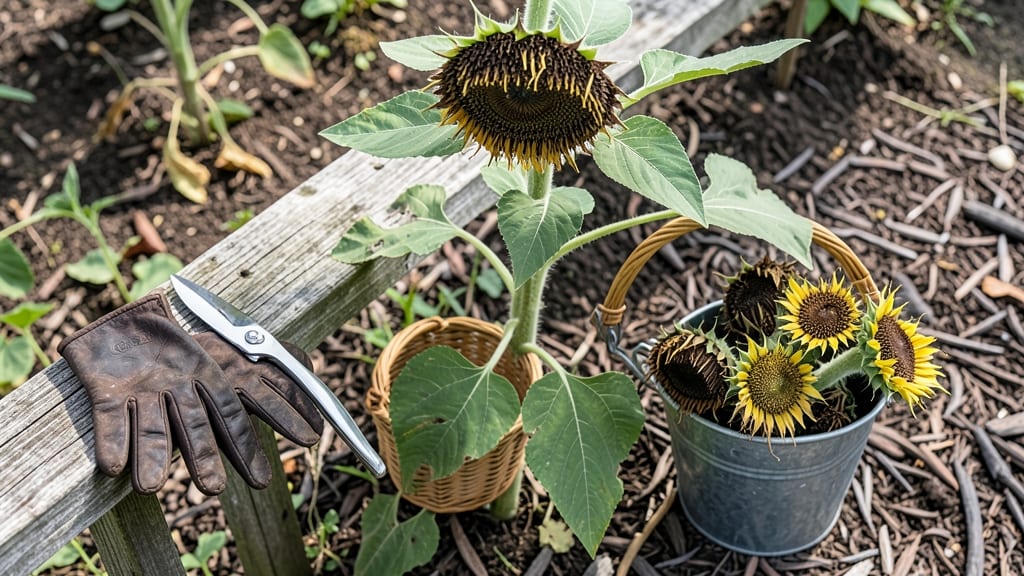
Harvesting sunflower heads at the right time ensures you get the perfect mix of flavor, nutrition, and seed yield—before birds or weather ruin your hard work.
Picture this: You’ve nurtured your 🌻 sunflowers all season, and now the moment of truth arrives. But how do you know when those golden heads are truly ready? Waiting too long means scattered seeds and wasted effort, while harvesting too soon leaves you with underdeveloped, bitter-tasting seeds.
In USDA Zone 6a, most sunflowers reach peak ripeness between late August and early October, but the real secret lies in the stem snap test—a simple trick that tells you exactly when to pick. Skip the guesswork, and you’ll walk away with seeds bursting with flavor and potential.
Below, I’ll walk you through the foolproof signs to watch for, how climate affects your timing, and the one mistake that turns a great harvest into a loss. Let’s get those sunflowers picked at their prime!


How to perform the stem snap test for sunflower seed ripeness
Determining the perfect moment to harvest sunflower heads can feel like guesswork, but the stem snap test is my go-to method for pinpointing ripeness. This simple technique combines visual cues with tactile feedback to ensure you harvest at peak seed quality.
When done right, you’ll maximize flavor, nutrition, and germination potential while avoiding overripe seeds that scatter or attract pests.
The stem snap test works by assessing the flexibility of the sunflower stem and the dryness of the seed head. Unlike relying solely on petal color or head size, this method gives you real-time feedback about the plant’s internal readiness.
I’ve used this technique for years in my garden, and it’s saved me from harvesting too early or too late—both of which can ruin your crop.
Step-by-Step Stem Snap Test
- 1 Choose a mature sunflower head with drooping petals and a yellow-brown center. Avoid heads that are still fully open or green.
- 2 Grasp the stem about 6 inches below the head with your dominant hand. Use your other hand to support the head gently.
- 3 Bend the stem firmly at a 45-degree angle. Listen for a dry, crisp snap rather than a bend or crack.
- 4 Check the seed head for fully dry papery bracts. If the bracts (the small, dry structures behind the seeds) easily crumble, the seeds are ready.
- 5 Shake the head gently over a paper bag. If seeds rustle and fall easily, they’re ready. If they stay attached, wait 2-3 more days and retest.
Pro Tip: Perform the test in the morning when stems are most hydrated. Avoid testing after rain, as excess moisture can give false results.
If the stem bends without snapping, your sunflower isn’t ready yet. This usually means the seeds are still developing, and you’ll need to wait another 5-7 days before retesting.
On the other hand, if the stem snaps too easily and the seeds feel hollow or light, you’ve waited too long—they may have lost viability or already started scattering.
Beyond the stem snap test, keep an eye on the seed color and head texture. Mature sunflower seeds should be plump and dark gray with black stripes (for confectionary varieties) or solid white (for oilseed types).
If the seeds are light-colored or shriveled, they’ve dried out and lost quality. This is a clear sign you’ve missed the optimal harvest window.
Regional climate plays a role too. In warmer zones (USDA 8-10), sunflowers may ripen faster, while cooler climates (USDA 3-6) often require an extra 1-2 weeks for seeds to fully mature.
For example, in my Zone 6a garden, I usually start testing stems in early September, but I’ve seen varieties like ‘Moulin Rouge’ ripen as early as late August in hotter summers.
Once you’ve confirmed ripeness with the snap test, harvest on a dry day to prevent mold. Use a sharp pruning shear to cut the stem 2-3 inches below the head, leaving the base for compost.
Hang the heads upside down in a well-ventilated, dry space for 1-2 weeks to fully dry before shelling the seeds.
Don’t overlook the bird factor—if you notice birds pecking at your sunflowers, it’s a sign the seeds are nearly ready.
While you can use bird netting to protect your crop, I’ve found that letting a few seeds go to birds is a small trade-off for knowing my remaining heads are perfectly ripe. Just be sure to harvest them within 24 hours of seeing bird activity.
Mastering the stem snap test is your ticket to consistently perfect sunflower harvests. With practice, you’ll develop an instinct for when to harvest, and your seeds will thank you with better flavor, higher germination rates, and fewer losses. Happy harvesting! 🌾
Sunflower harvest timing: days to maturity by variety and climate
Sunflowers aren’t one-size-fits-all when it comes to harvest timing. The variety you grow—whether it’s oilseed types like Mammoth or sweet confectionary varieties like Russian Giant—directly impacts when you’ll see those golden seeds ready for picking.
Even within the same variety, your climate zone and average temperatures can shift your harvest window by weeks.
In USDA Zone 6a, where frost typically arrives by late October, most sunflower varieties reach maturity between 80-120 days after planting. However, cooler summers in northern regions may extend this timeline, while warmer southern climates can accelerate ripening.
Let’s break down the key factors that determine when your sunflowers are ready to harvest.
| Variety | Days to Maturity | Harvest Window (Zone 6a) | Climate Notes |
|---|---|---|---|
| Oilseed (e.g., Mammoth, Sunizole) | 90-120 days | Late August - Early October | Tolerates cooler temps; ideal for northern zones |
| Confectionary (e.g., Russian Giant, Teddy Bear) | 80-100 days | Mid-August - Late September | Sensitive to frost; harvest early in cooler zones |
| Dwarf (e.g., Teddy Bear, Sunspot) | 60-80 days | Early August - Mid-September | Faster maturing; great for containers or short seasons |
| Decorative (e.g., ProCut, Autumn Beauty) | 70-90 days | Late August - Early October | Prioritize flower longevity over seed ripeness |
Temperature plays a huge role in sunflower ripening.
In hot climates like Zone 9, sunflowers can mature 2-3 weeks faster than in cooler Zone 6a. For example, a Russian Giant planted in early May might be ready by early September in southern regions, while the same variety in Zone 6a won’t peak until late September or early October.
Watch for visual cues like the seed head turning brown and the back of petals drying. If you’re in a dry climate, sunflowers may ripen more quickly due to reduced moisture stress.
Conversely, excessive rain can delay maturity by keeping seed heads damp. Always pair visual checks with the stem snap test to confirm readiness.
One critical mistake I see is ignoring plant health. Sunflowers struggling with pests (like aphids) or disease (e.g., powdery mildew) may never reach full maturity. If your plants look stunted or yellowing, they’ll produce lower-quality seeds.
Prioritize healthy growth by providing well-draining soil and consistent watering during the first 60 days after planting.
Pro tip: If you’re growing sunflowers for both seeds and flowers, harvest the flower heads first when petals start drooping. Then, let the seed heads mature fully for a second harvest. This two-stage approach maximizes your yield without sacrificing quality.