
How To
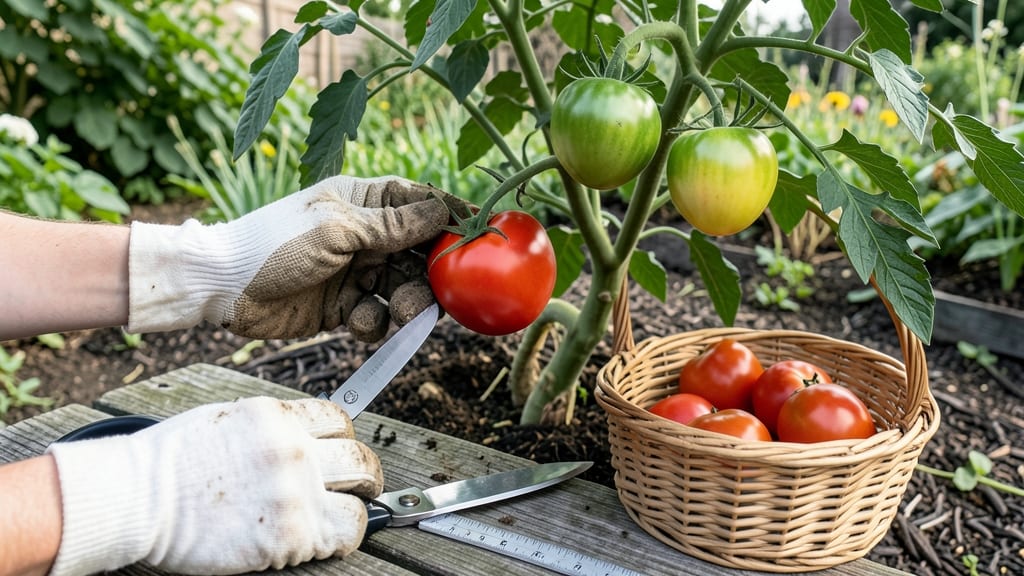
How do you know when to harvest pot plants is all about reading the signs—without guessing or cutting too soon.
Picture this: You’ve nurtured your container-grown herbs or veggies for weeks, and now the moment of truth arrives. But how do you tell if they’re really ready? The answer lies in three simple tactile tests that reveal maturity without damaging a single leaf.
From the firmness of a tomato to the color shift of basil leaves, these cues cut through the confusion. No more second-guessing whether your peppers are ripe or your flowers are at peak bloom—just proven methods to harvest at the perfect time.
Below, I’ll walk you through the three key checks that gardeners swear by, so you can confidently pick your 🏺 crops when they’re at their best.


3 Tactile tests to determine cannabis harvest readiness
Harvesting cannabis at the perfect moment is an art that combines patience and precision. Unlike many plants, cannabis doesn't have a single "ripe" color or size—its readiness lies in subtle tactile clues hidden in plain sight.
These three hands-on tests let you assess maturity without cutting buds, preserving your plant's integrity while maximizing potency and flavor.
Professional growers rely on these methods because they reveal what a microscope can't: the overall health and structural readiness of your plant. Whether you're growing in a 5-gallon pot or a large outdoor garden, these tests work universally.
The best part? You don't need expensive tools—just your hands and keen observation skills.
Why tactile tests matter: They help you avoid two critical mistakes: harvesting too early (underdeveloped buds) or too late (over-mature, harsh flavors). These tests focus on pistil color, bud firmness, and trichome development—three key indicators that work together like a symphony.
Pistil Color Test
Gently brush your fingers over the buds. White pistils mean early maturity, while orange or brown pistils signal peak harvest time. Aim for 50-70% orange/brown coverage for balanced effects.
Bud Firmness Test
Squeeze a bud gently—it should feel dense but slightly springy. If it's rock-hard, it's overripe; if mushy, it's underdeveloped. The ideal texture resembles a firm grape or ripe avocado.
Trichome Cloudiness Test
Use a jeweler's loupe (or even a magnifying glass) to check trichome heads. Cloudy trichomes (50-70% coverage) indicate peak THC levels, while amber trichomes suggest CBD dominance or late harvest.
Start with the pistil color test—this is your first line of defense. Pistils (those tiny hairs on your buds) change color as the plant matures. In the early stages, they'll appear white, but as your plant nears harvest, they'll gradually turn orange or brown.
For most strains, you'll want to see 50-70% orange/brown pistils before harvesting for a balanced high.
Next, perform the bud firmness test on 2-3 buds from different parts of your plant. Gently squeeze them—you're looking for a dense yet slightly springy texture. Think of it like testing a ripe peach: firm enough to hold its shape but yielding slightly under pressure.
If your buds feel rock-hard, they're likely overripe and may develop harsh flavors. If they're mushy, they need more time on the plant.
The trichome cloudiness test is where things get scientific. Trichomes are the tiny, mushroom-shaped structures covering your buds that produce THC and CBD. Under magnification, they'll appear in different colors: clear, cloudy, or amber.
For peak potency, aim for 50-70% cloudy trichomes. Use a jeweler's loupe (affordable and widely available) or even a magnifying glass if you're in a pinch.
Pro tip: Combine these tests for the most accurate reading. For example, if your pistils are 60% orange but your buds still feel soft, wait another 2-3 days before harvesting.
Conversely, if you see 70% amber trichomes but only 40% orange pistils, your plant might be past its prime for THC-dominant strains.
Timing is everything in cannabis cultivation, and these tactile tests give you the confidence to harvest at the perfect moment. By mastering these methods, you'll not only improve the potency and flavor of your buds but also reduce waste from over-harvesting. Happy growing!
Remember, every strain has its own ideal harvest window, so keep detailed notes of when you perform these tests and how your plant responds. Over time, you'll develop an intuitive sense of when your specific plants are ready to harvest.
Trichome color breakdown: what each stage means for your harvest
Understanding trichome colors is the key to harvesting cannabis at peak potency. These microscopic, crystal-like structures on your buds contain the majority of your plant’s THC and CBD.
Without magnification, they’re invisible—but with a jeweler’s loupe (or even a 10x-40x microscope), you can see their color shifts that signal harvest time.
Trichomes start clear, then develop into cloudy white and eventually turn amber. Each stage corresponds to a different level of cannabinoid potency, so knowing these visual cues ensures you harvest at the perfect moment for your desired effects. Let’s break down what each color means for your harvest.
| Trichome Stage | Color | THC/CBD Levels | Best For | Harvest Tip |
|---|---|---|---|---|
| Early Stage | Clear | Low (0-10%) | Seed production | Wait 2+ weeks |
| Mid Stage | Cloudy White | Moderate (10-15%) | Balanced effects | Harvest for versatility |
| Late Stage | Amber | High (15-25%) | Max potency | Harvest for strong effects |
If you see mostly clear trichomes, your plant is still in its vegetative phase and far from harvest. These trichomes are nearly invisible without magnification but signal that your buds are still developing. Patience is key—wait until you notice a shift to cloudy white before considering harvest.
When 50-70% of trichomes turn cloudy white, your buds are ready for a balanced harvest. This stage offers a mix of THC and CBD, making it ideal for gardeners who want moderate effects.
At this point, you can also check for pistil color—white pistils confirm readiness, while orange or brown ones mean you’ve waited too long.
For maximum potency, aim to harvest when 20-30% of trichomes turn amber. This stage signals peak THC levels, delivering the strongest effects. However, be cautious—overwaiting can lead to decarboxylation, where cannabinoids degrade and turn into CBN, offering a more sedative experience. Use a digital microscope for precision.
Pro tip: Check trichomes at morning and evening for consistency. Lighting can affect color perception, so always examine buds under natural light or a LED magnifying lamp. If you’re unsure, harvest slightly earlier—you can always dry and cure for a few extra days to let flavors develop.
Mastering trichome colors takes practice, but once you recognize these visual cues, you’ll harvest with confidence. Start with a jeweler’s loupe and a small sample of buds to train your eye. Soon, you’ll be able to predict harvest time just by glancing at your plants—no tools required!