
How To
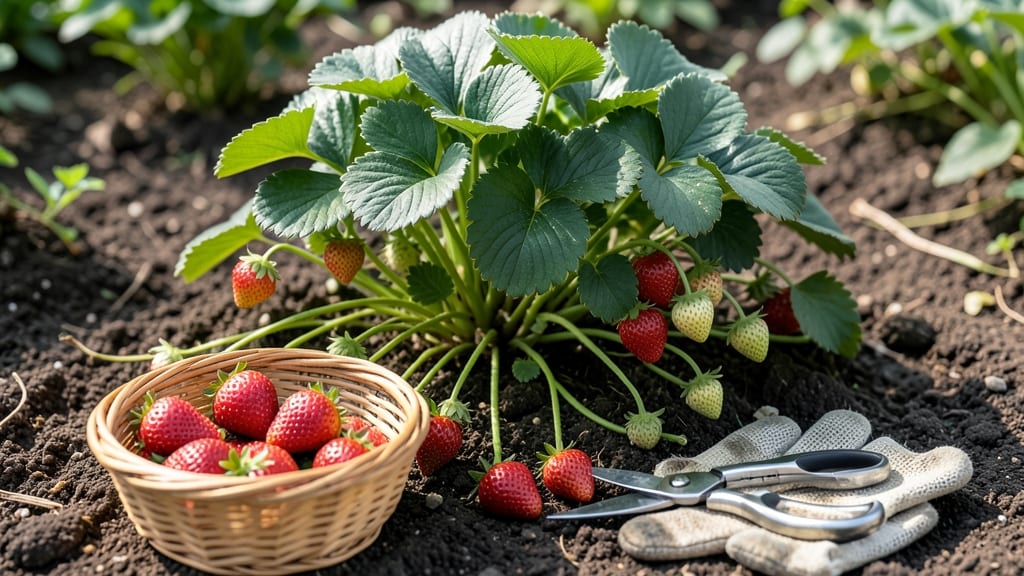
Harvesting strawberries takes anywhere from 60 to 90 days after planting, depending on the variety and your climate zone—so timing is everything if you want that first sweet bite.
Picture this: you’ve spent weeks tending to your 🍓 plants, dreaming of plump red berries—only to wonder why they’re still green when your neighbor’s are ripe. The answer lies in the type of strawberry you grew, whether it’s June-bearing, everbearing, or day-neutral, and how your local weather plays a role.
In USDA Zone 6a, like many home gardens, June-bearing varieties typically fruit in June–July of the first year, while everbearing types stretch the harvest into May–August of subsequent years.
But if you’re in a warmer zone, like Florida, you might see berries in as little as 30 days—or face delays if a late frost hits.
Here’s how to tell when your strawberries are truly ready, how to extend your harvest season, and what to do if your plants seem stuck in “waiting mode.” Let’s get those berries ripe—and off the vine—on schedule.


Strawberry harvest timelines by variety: June-bearing vs. everbearing vs. day-neutral
Understanding strawberry harvest timelines starts with knowing your variety. The three main types—June-bearing, everbearing, and day-neutral—each have distinct ripening schedules that can make or break your patience.
June-bearers, like 'Chandler', deliver one massive harvest in early summer, while everbearers like 'Albion' produce two smaller crops. Day-neutral varieties such as 'Seascape' keep giving all season long.
Your climate zone also plays a huge role. In USDA Zone 5, June-bearers might take 70–90 days to harvest, while in Zone 9, the same varieties could ripen in just 50–60 days.
Everbearing types often mature 20–30 days faster than June-bearers, making them ideal for cooler regions where summers are short.
Here’s how each variety stacks up in terms of harvest timing, including early, mid, and late-season options tailored to your growing conditions:
| Variety Type | Popular Varieties | Harvest Window | Days to Harvest (Zone 5) | Days to Harvest (Zone 9) | Climate Notes |
|---|---|---|---|---|---|
| June-Bearing | Chandler, Jewel, Honeoye | Late May–June | 70–90 days | 50–60 days | Best for cool climates; needs chill hours |
| Everbearing | Albion, Oso Grande, Tristar | Early June + September | 50–70 days (first crop) | 40–50 days (first crop) | Two harvests; thrives in mild winters |
| Day-Neutral | Seascape, Tristar, Fort Laramie | June–October (continuous) | 45–60 days (first fruit) | 35–45 days (first fruit) | Longest harvest; heat-tolerant |
| Early June-Bearer | Earliglow, Sparkle | Late May | 60–70 days | 45–55 days | Fastest June-bearer; great for short seasons |
| Late June-Bearer | Jewel, Allstar | June–July | 80–90 days | 60–70 days | Larger berries; needs longer growing season |
If you’re in a warmer climate (Zones 8–10), you can push harvest timelines even further by planting day-neutral varieties like 'Seascape', which may produce fruit in as few as 35–45 days. These varieties are also more drought-tolerant, making them perfect for regions with hot, dry summers.
For cooler climates (Zones 3–5), focus on June-bearing or everbearing types that thrive with chill hours. Planting early varieties like 'Earliglow' ensures you get a harvest before summer heat sets in.
In these zones, mulching with straw can shorten maturation by 1–2 weeks by keeping roots cool and moist.
Pro tip: Extend your harvest by succession planting. If you plant June-bearers in early spring and everbearers in late summer, you’ll enjoy strawberries from late May through October.
This works especially well in USDA Zones 6–7, where summers are long but winters are cold enough to reset the plants.
One common mistake is assuming all strawberries take the same time to ripen. Day-neutral varieties can start producing fruit just 45 days after planting, while late June-bearers might not be ready until 90 days.
Always check your seed packet or plant tag for specific variety timelines, as these can vary even within the same category.
Finally, don’t overlook soil temperature. Strawberries need soil temps above 40°F (4°C) to grow, but ideal germination occurs at 70–85°F (21–29°C). In northern zones, use row covers to warm the soil faster and speed up harvest timing by 10–15 days.
With the right variety and a little planning, you can turn frustrating wait times into a continuous strawberry feast
Climate zone impact on strawberry harvest speed: how cold/warm regions affect timing
Your USDA climate zone is the single biggest factor in how quickly strawberries mature—some varieties ripen in just 30 days in Florida, while northern gardeners wait 90+ days for June-bearing types. The warmer the zone, the faster the harvest, but cooler climates offer tricks to speed things up.
Let’s break down how your location dictates timing and what you can do to adjust it.
In tropical zones (10–12), strawberries like 'Camarosa' or 'Florida Beauty' produce fruit year-round, with harvests starting as early as 25–35 days after planting. Meanwhile, gardeners in USDA zones 3–5 must choose cold-hardy varieties like 'Honeoye' or 'Jewel', which take 70–90 days to bear fruit.
The difference? Temperature, daylight, and dormancy cycles.
To accelerate ripening in cooler zones, start with early-season varieties and use black plastic mulch to raise soil temperatures by 5–10°F. In USDA zone 5, for example, 'Allstar' strawberries typically take 70 days, but mulching can shave off 7–10 days.
Pair this with drip irrigation to keep roots consistently moist without wetting foliage, which speeds up maturation.
If you’re in a warm climate but want to extend harvests, focus on day-neutral varieties like 'Seascape' or 'Tristar'. These produce fruit continuously when temperatures stay above 50°F, giving you 3–4 harvest windows per year.
In Florida, gardeners often plant in fall for winter harvests or spring for summer fruit, avoiding the brutal mid-year heat.
One common mistake is assuming all strawberries take the same time to harvest. June-bearers (like 'Chandler') produce one massive crop in 60–70 days, while everbearing types (like 'Albion') give two smaller harvests over 45–60 days.
Match your variety to your climate’s growing season—don’t plant a 90-day June-bearer in zone 10 where it’ll bolt before fruiting.
Pro tip: In northern zones, use straw mulch to insulate roots during cold snaps, which prevents stress that delays ripening. Pair this with balanced fertilizer (like 10-10-10) applied 4–6 weeks after planting to boost early growth.
With the right variety and care, you can halve harvest times in cooler climates—or stretch them year-round in warm zones.