
Advice
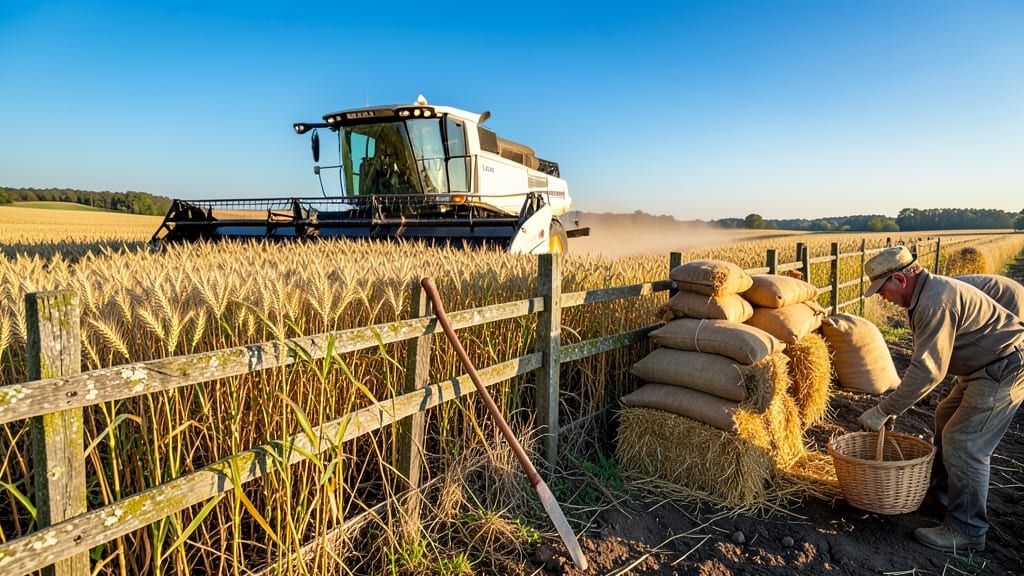
Harvesting wheat during the right season is the key to unlocking golden, high-quality grain—and missing that window means lost yield, no matter how hard you’ve worked.
Picture this: you’ve nurtured your 🌾 wheat all season, watching it grow from tender shoots to towering stalks, only to cut too early and end up with damp, moldy grain—or worse, harvest too late and lose everything to birds or rain.
Timing isn’t just about the calendar; it’s about reading the plants, the weather, and your local climate zone.
In General (Temperate Climates), like USDA Zone 6a, the harvest season typically falls in late summer (August–September), but the exact moment depends on your wheat variety, moisture levels, and even the phase of the moon (yes, really).
Hard red winter wheat, for example, needs 10–14% kernel moisture to avoid spoilage, while soft white wheat matures faster and can be cut earlier.
Below, I’ll break down the exact timing by variety, climate zone, and field-ready signs—so you can walk into harvest day with confidence, knowing your grain is at its peak for storage, milling, or market.


When to harvest wheat: exact timing by variety (hard red, soft white, durum, and more)
Harvesting wheat at the right moment ensures maximum yield and grain quality. Different wheat varieties mature at distinct times, so understanding their unique harvest windows is essential. Whether you're growing hard red winter wheat or durum wheat, precise timing prevents spoilage or underdeveloped kernels.
Most wheat varieties reach maturity between 90 to 150 days after planting, depending on the type and growing conditions. Key indicators like kernel hardness, moisture levels, and plant color changes signal readiness.
Ignoring these cues can lead to poor flour quality or lost harvests due to lodging or weather delays.
| Variety | Days to Maturity | Harvest Window | Key Maturity Signs | Moisture Level |
|---|---|---|---|---|
| Hard Red Winter Wheat | 120-150 days | Late July - Early Sept | Lower leaves brown; kernels hard and golden | 10-14% |
| Soft White Winter Wheat | 110-130 days | Mid-July - Mid-Aug | Stems yellow; kernels plump and white | 12-15% |
| Durum Wheat | 130-160 days | Late Aug - Early Oct | Hard kernels; stems fully yellowed | 9-12% |
| Spring Wheat | 90-110 days | Early July - Late Aug | Lower leaves crisp; kernels firm | 11-14% |
| Emmer Wheat | 140-170 days | Sept - Early Oct | Hard, glossy kernels; stems brittle | 8-11% |
For hard red winter wheat, the most common variety in the U.S., harvest typically occurs between late July and early September. Look for golden kernels that are firm to the touch and brown lower leaves.
This variety thrives in cooler climates and is ideal for bread-making due to its high gluten content.
If you're growing soft white winter wheat, harvest earlier—between mid-July and mid-August. This variety is prized for cakes and pastries, so aim for plump, white kernels with a moisture content of 12-15%. Harvesting too late can lead to shattering, reducing your yield.
Durum wheat, often used for pasta, requires patience. It takes 130-160 days to mature and should be harvested between late August and early October. The kernels must be hard and amber-colored, with stems fully yellowed. Check moisture levels—ideal durum wheat has 9-12% moisture to prevent spoilage.
Spring wheat varieties mature faster, typically in 90-110 days, making them ideal for shorter growing seasons. Harvest between early July and late August, focusing on lower leaves turning crisp and kernels firming up.
These varieties are often used for animal feed but can also be milled for bread.
For emmer wheat, a heirloom variety, harvest is the latest—between September and early October. Emmer’s hard, glossy kernels and brittle stems signal readiness. This ancient grain requires careful timing to avoid shattering, so monitor closely as it nears maturity.
To test kernel readiness, gently rub a few grains between your fingers. If they crush easily, wait a few days. If they feel hard and dry, it’s time to harvest. Use a grain moisture tester to confirm levels—most varieties need
Climate Zone guide: adjusting wheat harvest dates by USDA hardiness regions
Your wheat harvest season depends heavily on where you live—temperature shifts, rainfall patterns, and frost risk can push harvest windows by weeks or even months.
In USDA Zone 5, where I grow my wheat, we typically harvest in early September, but in Zone 9, farmers often wait until late October. Understanding these regional differences helps you avoid premature cutting or missed opportunities.
The Southern Plains (Zones 7-9) enjoy longer growing seasons, allowing wheat to mature later. Meanwhile, the Pacific Northwest (Zones 6-8) faces cooler summers and earlier frost risks, demanding earlier harvests. Even within the same zone, local microclimates—like mountain valleys or coastal areas—can shift ideal harvest dates by 2-3 weeks.
Let’s break down how to adjust your timing for your specific region.
| USDA Zone | Typical Harvest Window | Key Climate Factors | Late-Season Risks | Adjustment Tip |
|---|---|---|---|---|
| 3-5 (Northern Plains, Midwest) | Late July - Early August | Short growing season, early frost | Frost before maturity | Plant early-maturing varieties like Norstar |
| 6-7 (Pacific Northwest, Northeast) | Mid-August - Early September | Cooler summers, high rainfall | Disease from humidity | Harvest when kernels hit 12-14% moisture |
| 8-9 (Southern Plains, California) | Late August - October | Long, hot summers, low frost risk | Drought stress | Irrigate in July-August to extend season |
| 10+ (Desert Southwest, Coastal) | September - November | Extreme heat, variable rainfall | Heat damage before maturity | Use shade cloth in peak summer |
In Zone 5, where I’ve seen firsthand how frost can ruin a harvest, I always monitor the 10-day weather forecast in late August. If temperatures dip below 50°F at night, I’ll harvest earlier—even if the grain isn’t perfectly dry—to avoid frost damage.
Meanwhile, in Zone 9, farmers like my neighbor in Texas often delay harvests into October to let the grain dry naturally in the warm air.
Rainfall also plays a critical role. In the Pacific Northwest, excessive moisture can lead to fungal diseases like Fusarium, so I recommend harvesting when the morning dew has evaporated to reduce risk.
Conversely, in the Southern Plains, drought can stress the crop, so I prioritize irrigation in July and August to keep the wheat on track for a timely harvest.
For late-season adjustments, pay attention to local weather patterns. If your area typically experiences early frosts, like in Zone 4, opt for early-maturing varieties like Roblin or AC Barrie.
In warmer zones, you might extend the season with drought-resistant varieties such as Pavon 76, which handles heat better than traditional types.
Pro tip: Use a grain moisture meter to confirm readiness—aim for 12-14% moisture for storage. If your local harvest window feels uncertain, start checking 2 weeks earlier than the average date for your zone to stay ahead of weather surprises. 🌾