
How To
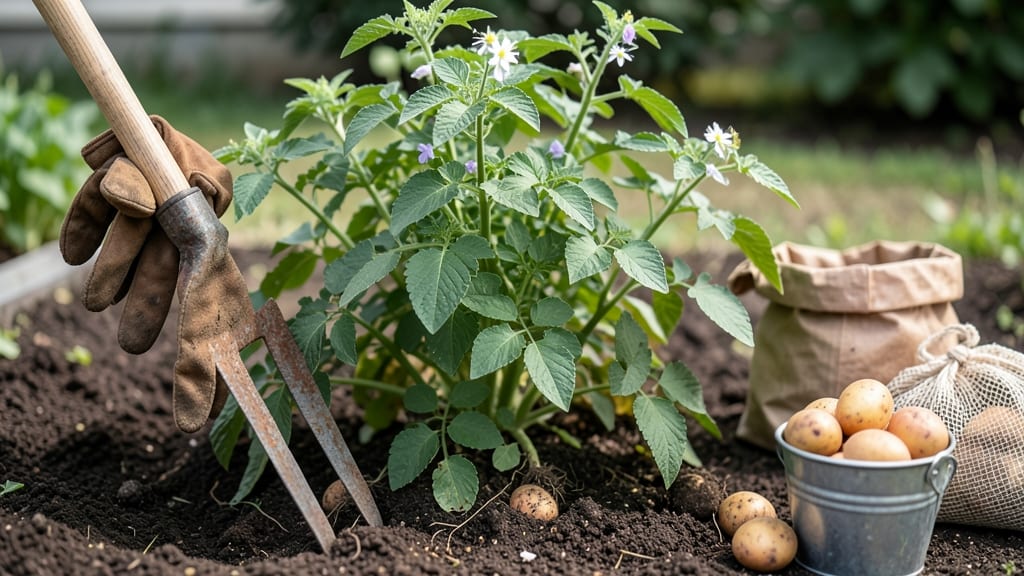
Harvesting potatoes takes anywhere from 70 to 120 days after planting, depending on the variety you’re growing.
Miss that window, and you risk digging up small, underdeveloped tubers—or worse, leaving them in the ground too long, where they turn tough and starchy. The difference between creamy, buttery spuds and a sad, mealy pile comes down to timing, and the right cues can save you from both mistakes.
New potatoes can be harvested as early as 70 days for tender bites, while russets and Yukon Golds need the full 90 to 120 days to reach their peak.
Below, I’ll break down exactly when to dig, how to spot readiness, and how to store them for maximum flavor and shelf life.
Whether you’re a first-time grower or a seasoned gardener, these tips will help you pull potatoes at the perfect moment—no guesswork required.


Potato harvest timing by variety: 70-120 days breakdown
Harvesting potatoes at the right time ensures you get the best flavor and texture, whether you're growing new potatoes for salads or russets for baking. The days-to-maturity range from 70 to 120 days, depending on the variety.
Early potatoes like 'Yukon Golds' can be ready in as little as 70-90 days, while late varieties like 'Idaho Russets' may take up to 120 days or more. Understanding these timelines helps you plan your garden and enjoy homegrown potatoes at their peak.
I’ve grown dozens of potato varieties over the years, and I’ve learned that timing is everything. Harvest too early, and you’ll get small, underdeveloped tubers. Harvest too late, and you risk tough, stringy potatoes. The key is knowing your variety’s days-to-maturity and watching for specific harvest cues.
Below, I’ve broken down the most popular varieties and their ideal harvest windows to help you get it right every time.
For early varieties like 'Red Norland' or 'Early Girl', you can start harvesting as soon as the flowers appear and small tubers form. These are perfect for new potatoes, which are tender and delicious when cooked immediately.
I like to harvest these every 2 weeks to encourage more production. The key is to dig gently and avoid damaging the tubers, which can lead to bruising or disease.
Mid-season varieties like Yukon Golds and Kennebecs take a bit longer, usually between 90-110 days. These potatoes are ideal for mashing and roasting because they have a creamy texture and balanced sweetness. The best time
How to tell when potatoes are ready to harvest (signs & tips)
Harvesting potatoes at the right time ensures you get creamy, flavorful tubers instead of tough or shriveled ones. Unlike many crops, potatoes don't give obvious above-ground signals—they're hiding underground!
The key is watching for three critical signs that tell you it's time to dig. First, pay attention to the plant's foliage changes, which often signal tuber readiness.
Most gardeners wait until the plant flowers fade and the leaves begin yellowing—a classic sign the tubers are maturing. However, this timing varies by variety type. Early potatoes like 'Red Pontiac' may be ready in 70-90 days, while late varieties like 'Russet Burbank' need 100-120 days.
Checking the soil and tubers themselves will give you the final confirmation.
⚠️ Warning: Harvesting Too Early or Too Late
Harvesting potatoes too early (before 70 days) means small, underdeveloped tubers with thin skins that bruise easily. Waiting too long (after leaves fully die back) risks sprouting or shriveling in storage. For most varieties, aim to harvest when 50-75% of leaves yellow—this gives you the best balance of size and flavor.
Pro Tip: If your garden bed is in a dry climate, harvest slightly earlier to prevent skin toughening.
To test tuber readiness, use the thumbnail test: Gently dig near the plant base and examine a few tubers. Press your thumbnail into the skin. If it resists slightly but doesn't feel rock-hard, the potato is ready.
Soft, pale tubers need more time, while deeply colored skins that separate cleanly from the flesh are ideal. This method works best for new potatoes and mid-season varieties.
For late-season potatoes like russets, wait until the entire plant dies back (leaves turn brown and crisp). These varieties need full maturity for optimal starch development. However, don't wait too long—once the ground freezes, you risk frost damage to the tubers.
In colder climates, harvest before the first frost (typically October 15 in Zone 6a).
One common mistake is harvesting based solely on days after planting. While this works as a rough guideline, it ignores soil conditions and weather variations. For example, cool, wet springs can delay maturity by 1-2 weeks, while hot summers may speed it up.
Always combine visual cues (leaf color, flower fade) with physical tests (thumbnail pressure, tuber size) for accuracy.
Once you've confirmed readiness, harvest on a dry, sunny day to let the tubers dry slightly before storing. Use a fork or hands to gently loosen soil, then brush off excess dirt. Avoid washing potatoes—moisture speeds up rot and sprouting.
Cure them in a dark, cool (50-60°F) place for 1-2 weeks to toughen skins, then store in a dark, humid (85-90%) spot like a root cellar.