
How To
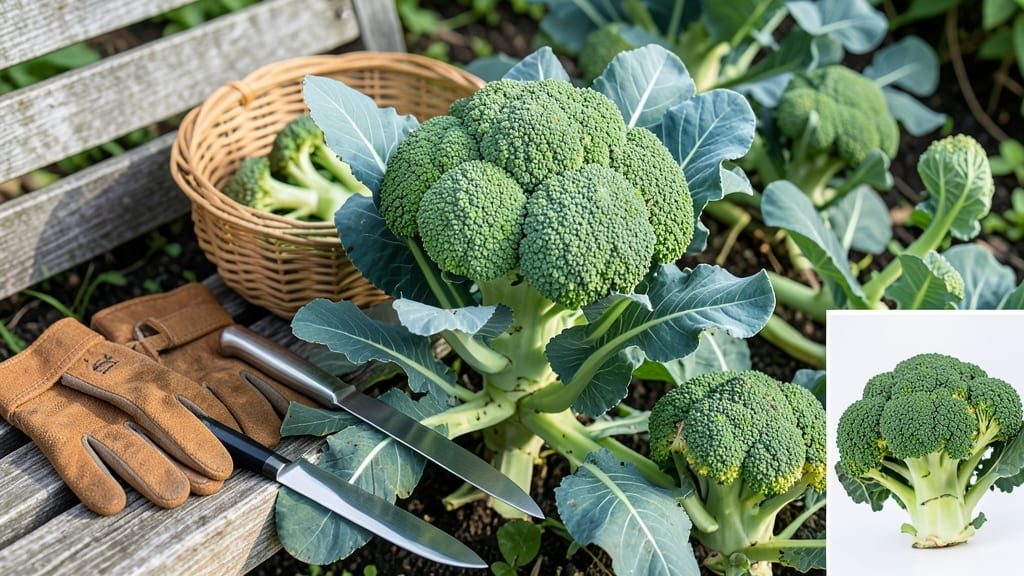
Harvesting broccoli at the right time means the difference between a crisp, flavorful head and a tough, bitter mess—so knowing how long to harvest broccoli is the key to your garden’s success.
Picture this: you’ve waited months for your 🥦 to grow, only to cut into a woody, overripe head that tastes like disappointment. That’s the cost of waiting too long—or harvesting too soon.
The sweet spot? Between 50 and 80 days after planting, when the florets are tight, dark green, and ready to snap crisply when you bend the stem.
But here’s the catch: timing isn’t just about days—it’s about color, size, and even the weather. A head that’s too small or pale won’t taste right, while one that’s left too long turns bitter and attracts pests.
I’ll walk you through the exact visual cues, the stem snap test, and how to stretch your harvest for weeks of fresh 🥦 from a single plant.
Ready to go from guesswork to garden gold? You’ll leave here with a clear checklist, pro tips for side-shoot regrowth, and how to adjust for your climate—so your broccoli stays at peak flavor from June through August.


Broccoli harvest timeline: days to maturity and size checklist
Harvesting broccoli at the right moment transforms your garden into a flavor factory—crisp florets packed with sweetness instead of bitter, woody stalks. The days to maturity vary wildly between varieties, but most broccoli plants reach harvest readiness in 50 to 90 days from transplanting.
Knowing these growth stages and size checkpoints ensures you don’t miss the window or overlook hidden side shoots.
For Calabrese broccoli, the classic blue-green variety, expect 60 to 75 days to harvest the main head. Romanesco broccoli, with its fractal-like green-and-cream florets, matures slightly faster at 55 to 65 days.
Meanwhile, dwarf varieties like 'Little Sprint' can be ready in just 45 to 55 days, making them ideal for containers or short seasons.
Timing is everything—harvest too early, and your florets will be small and underdeveloped. Wait too long, and the broccoli heads will turn bitter, open into yellow flowers, and develop a woody texture that’s nearly inedible.
The sweet spot? A 6-to-8-inch head with tightly packed florets and a deep green color.
Here’s a quick breakdown of what to watch for at each stage to avoid missing your window:
| Variety | Days to Harvest | Head Size | Best Time to Harvest |
|---|---|---|---|
| Calabrese (e.g., 'Green Magic') | 60-75 days | 6-8 inches | Late morning, after dew dries |
| Romanesco (e.g., 'Green Balls') | 55-65 days | 4-6 inches | Early afternoon, before heat stress |
| Dwarf (e.g., 'Little Sprint') | 45-55 days | 3-5 inches | Morning, for tender florets |
| Sprouting (e.g., 'Calabrese Sprouting') | 70-90 days | Multiple 2-3 inch heads | Harvest side shoots every 2-3 weeks |
Climate plays a surprising role in your broccoli harvest timeline. In cool-season regions (USDA Zones 3-7), broccoli thrives when daytime temps stay between 60°F and 75°F. Heat above 80°F accelerates maturity, often shrinking the window to just 45 to 50 days before bolting (flowering prematurely).
Conversely, slow-growing seasons in cooler climates may stretch harvests to 90 days or more.
Pro tip: Use row covers in early spring or late fall to shield plants from heat stress or frost damage, giving you a longer harvest window. I’ve extended my broccoli season by 3-4 weeks this way, even in Zone 5 where winters are harsh.
Don’t overlook the stem snap test—a foolproof way to check ripeness. Gently twist a small stem near the base of the floret. If it snaps cleanly with resistance, it’s ready.
If it bends or feels mushy, wait a few days. This simple trick saves overripe broccoli from becoming bitter and tough.
After harvesting the main head, watch for side shoots (smaller florets that form on the stems). These can produce 3 to 5 additional harvests if you cut them when they’re 2-3 inches wide.
Prune older leaves to redirect energy to these new growths, and you’ll squeeze every last bit of productivity from your plant.
Mark your calendar for peak harvest months: June through August for spring plantings, and October for fall crops in mild climates. With the right timing, you’ll enjoy homegrown broccoli that’s sweeter, crunchier, and far superior to store-bought—all while avoiding the frustration of woody stalks.
The stem snap test: how to tell when broccoli is perfectly ripe
Harvesting broccoli at the perfect moment transforms your garden into a flavor factory. The stem snap test is my secret weapon for nailing that crisp, sweet spot—before the florets turn bitter or woody. This simple method reveals whether your broccoli is ready to eat or still needs time to mature.
I’ve used it for years to avoid the disappointment of overripe heads, and it’s the first thing I teach new gardeners.
Beyond the snap test, you’ll also watch for visual cues like floret tightness and color. A perfectly ripe head should be a deep, consistent green with no yellowing, measuring between 4 to 6 inches in diameter.
But here’s the catch: even when the head looks ready, the stem’s crispness tells the real story. Let’s break down how to use this test—and what mistakes to avoid—to ensure your broccoli is always at its peak.
⚠️ callout warning ⚠️
Broccoli plants produce one main head before shifting energy to side shoots. If you cut too early (when florets are loose or pale), you stunt regrowth. Worse, harvesting too late—after yellow flowers appear—turns the head bitter and attracts pests. The stem snap test prevents both mistakes by giving you an instant read on maturity.
Pro Tip: Use a sharp knife or shears to cut the stem 1-2 inches below the head. This encourages cleaner regrowth for side shoots.
The snap test is deceptively simple: gently bend a small stem near the base of the broccoli head. If it snaps cleanly with resistance, your broccoli is ready. No snap? It’s underripe. A hollow, mushy sound? You’ve waited too long.
I test stems every 2-3 days in the final week of growth, adjusting for my climate’s heat spikes. For example, in Zone 6a, broccoli often ripens faster in July’s heat, so I check stems more frequently.
Pair the snap test with these visual cues for foolproof results:
- Floret tightness: Crowded buds that don’t spread apart when touched
- Color: Deep, vibrant green (no yellow or brown)
- Size: 4–6 inches in diameter (smaller varieties like ‘Calabrese’ stay on the smaller side)
Common mistakes derail even the most eager gardeners. One is harvesting at night, when stems feel softer due to moisture. Another?
Assuming all broccoli varieties mature at the same rate. Romanesco, for example, takes 70–80 days to reach peak crispness, while ‘De Cicco’ matures in just 50–60 days. Always check your seed packet for variety-specific timelines.
I once wasted a week waiting for a ‘Calabrese’ head that was already overripe because I misread the days-to-maturity label.
Once you master the snap test, you’ll unlock a bonus: side-shoot harvesting. After cutting the main head, your plant will produce smaller florets along the stem. These side shoots are just as delicious and follow the same ripening rules.
To encourage regrowth, water deeply after harvest and fertilize lightly with a balanced 10-10-10 mix. With this method, one plant can give you harvests for 4–6 weeks—doubling your yield without extra work.
Now grab your shears, test those stems, and enjoy broccoli so crisp it snaps like a summer day. Your taste buds—and your garden—will thank you.