
Vegetables
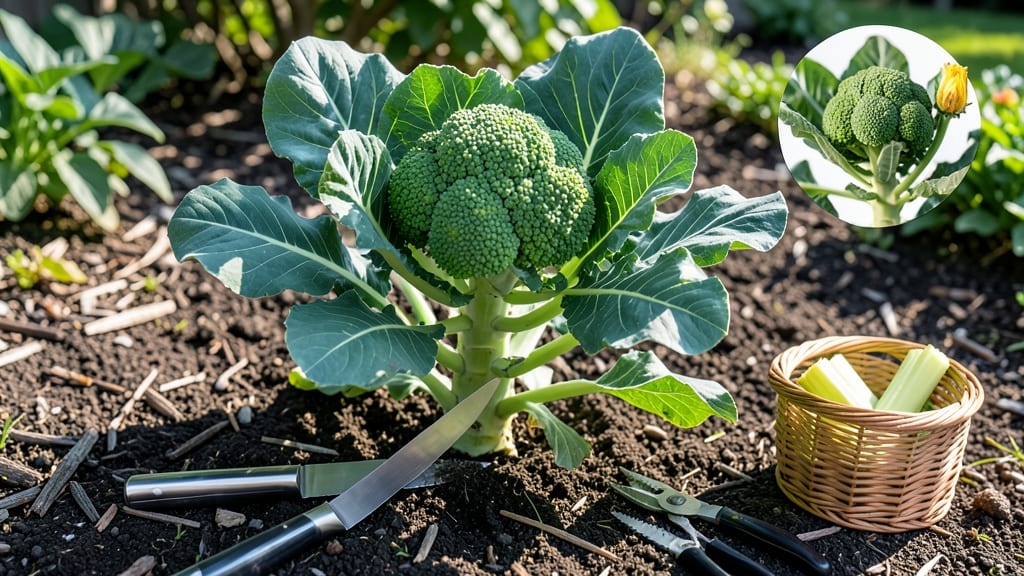
Harvest broccoli when the main head reaches 4-6 inches with tight, vibrant florets—before any buds begin to open or yellow.
Picture this: you’ve nurtured your 🥦 all spring, and now the moment of truth arrives. One wrong cut, and you’re left with bitter florets or a plant that bolts too soon.
The difference between a perfect harvest and a wasted effort often comes down to just a few days of timing.
In Zone 6a, where spring harvests run from May to July, the key is watching for dense, compact heads with no loose stems. Overlook these cues, and you’ll miss out on the sweetest flavor—or worse, trigger the plant to send up bitter-tasting side shoots.
Below, I’ll walk you through the exact visual signals to look for, how weather affects your window, and the simple cutting technique that keeps your broccoli producing for weeks.


How to identify perfectly timed broccoli for harvesting
Harvesting broccoli at the right moment transforms your garden into a flavor powerhouse. The difference between a crisp, sweet head and a bitter, woody one often comes down to timing.
When you spot a broccoli head that’s 4-6 inches wide with tightly packed florets, that’s your cue—ignore it, and you risk ruining both the plant and your dinner plans.
Timing matters because broccoli heads stop growing once they start flowering. A day too early means underdeveloped flavor, while a day too late turns your florets yellow and bitter.
Even the stem firmness plays a role—soft or hollow stalks signal overmaturity. Let’s break down the exact visual clues to harvest broccoli at peak perfection.
Start by examining the head size—the sweet spot is between 4-6 inches in diameter. Smaller heads lack full flavor development, while larger ones often turn bitter as they mature.
For example, a Calabrese broccoli variety should be harvested when its crown reaches about 5 inches wide, while smaller varieties like Broccoli Raab may be ready at 3-4 inches.
Next, check the color of the florets. Perfect broccoli boasts a deep, vibrant green hue. If you notice yellowing or purple speckles, the head is bolting (flowering), which means it’s past its prime.
Even a slight shift in color can signal the start of bitterness—don’t wait to harvest if you spot these changes.
Pay close attention to the tightness of the florets. When the buds are compact and tightly clustered, they’re at their peak. If you see gaps between florets or tiny yellow flowers peeking out, it’s time to act fast.
These signs mean the plant is redirecting energy to seed production, and the flavor will suffer.
The stem firmness is another critical clue. Run your thumb along the stalk—it should feel solid and thick. If the stem is hollow or soft, the broccoli has overmatured, and the texture will be tough and unpleasant.
A firm stem also indicates the plant is still healthy and capable of producing side shoots for future harvests.
Don’t overlook the leaves surrounding the head. Healthy broccoli leaves should be dark green and crisp. Wilting, yellowing, or crispy edges suggest the plant is stressed or diseased, which can affect the quality of the head.
If the leaves look off, it might be too late to salvage the main head, but you can still harvest any side shoots that are ready.
Harvesting broccoli at the wrong time doesn’t just ruin the flavor—it also impacts the plant’s ability to regrow side shoots. If you pick too early, the plant may not have enough energy to produce a second harvest.
Conversely, waiting too long forces the plant to bolt, ending its productive cycle prematurely. Balance is key to maximizing your yield.
Pro tip: Use a sharp knife or pruning shears to cut the stem about 5-7 inches below the head. This encourages the plant to redirect energy to side shoots, giving you a second chance at harvest. Avoid pulling the head—this can damage the plant and reduce future yields.
Finally, keep an eye on the weather and season. Broccoli grows best in cool weather, typically between 50-75°F. If temperatures rise above 80°F, the plant may bolt quickly, making timing even more critical.
Harvesting in the morning ensures the heads are crisp and full of flavor, as they’ve had the night to recharge.
Step-by-step guide: harvesting broccoli without damaging the plant
Harvesting broccoli correctly isn’t just about cutting the head—it’s about giving your plant a second chance to produce more. When you use the right technique, you can coax two to three harvests from a single plant.
Start by gathering your tools: a sharp knife or pruners, a bucket of water, and a clean towel for handling.
The first step is to inspect your broccoli head under bright light. Look for tight, compact florets that haven’t started to open—this is your cue that the head is ready.
Avoid harvesting when florets begin to loosen or yellow, as this signals overmaturity and bitter flavor. The stem should also feel firm and sturdy when you gently squeeze it.
⚠️ Warning: Harvesting Too Late
If you wait until the yellow flowers appear, your broccoli will taste bitter and woody. Worse, the plant may bolt (send up a flowering stalk) and stop producing entirely. Check heads every 2-3 days during peak season to avoid missing the window.
Use your sharp knife or pruners to cut the main head about 5-7 inches down the stem. This leaves enough growth to support side shoots. Angle the cut slightly downward to prevent water pooling on the stem, which can cause rot.
Work quickly to minimize stress on the plant—broccoli is sensitive to wilting.
After cutting, place the head in a bucket of cool water for 10-15 minutes to refresh it. This step slows down wilting and keeps the florets crisp. Pat dry with a clean towel before storing in the fridge for up to 5 days.
For long-term storage, blanch and freeze the florets to preserve their nutrients and texture.
Now, focus on your plant’s recovery. Within 2-3 weeks, you’ll likely see small side shoots forming at the base. These can be harvested in the same way as the main head, though they’ll be smaller and less flavorful.
To encourage more growth, water the plant deeply and apply a light fertilizer if needed. Avoid overwatering, as soggy soil can lead to rot.
If your broccoli plant bolts (sends up a tall flowering stalk), don’t panic—it’s still edible! Harvest the tender side shoots and enjoy them in stir-fries or salads. Just avoid letting the plant go to seed, as this will end its productive cycle.
With proper care, your broccoli can keep yielding for 6-8 weeks after the first harvest.