
How To
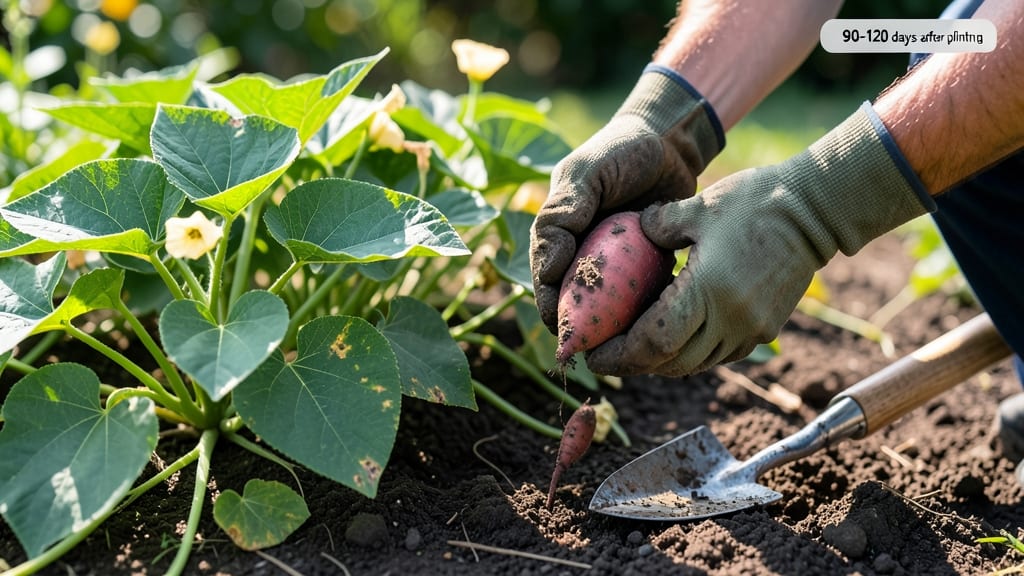
Harvesting sweet potatoes at the right time ensures they’re sweet, tender, and full of flavor—but timing them perfectly can feel like guessing if you’re relying on days after planting alone.
Here’s the secret: your 🍠 plants don’t need a calendar to tell you when they’re ready. Instead, watch for three key signs—yellowing vines, skin that resists a fingernail, and a sweet aroma when cut—that signal peak harvest time, no matter your climate.
Too early, and your tubers will be small and starchy; too late, and they’ll turn woody and lose their sweetness. I’ll walk you through the exact visual cues to look for, how to test readiness with a simple finger press, and why skipping these steps can ruin your harvest.
By the end, you’ll know exactly when to dig—so you can enjoy sweet potatoes that are perfectly sized, flavorful, and ready for storage or the table.


When to harvest sweet potatoes: 3 key signs beyond days after planting
Counting days after planting is a common approach, but climate variations and plant stress can throw off those estimates. Instead, focus on visual and tactile cues that show your sweet potatoes are truly ready.
These signs work across short-season climates, long summers, and even container growing—no matter where you garden.
Traditional 90-140 day harvest windows assume ideal conditions, but early frosts, drought stress, or overly rich soil can push maturity earlier or later. By ignoring the calendar and trusting these plant-based signals, you’ll consistently pull sweet potatoes at peak flavor and texture.
3 Signs Your Sweet Potatoes Are Ready to Harvest
-
1. Foliage Yellowing
Leaves turn yellow-brown and crispy at edges, signaling photosynthesis slowdown as energy shifts to tubers. -
2. Finger-Firm Test
Press a fingernail into the skin—if it doesn’t puncture easily, the tuber is mature. Soft skin means more cooking time needed. -
3. Vine Dieback
Vines wilt and brown naturally (not from frost or disease), indicating the plant is redirecting energy to underground storage.
Start by checking the foliage color—healthy green leaves mean the plant is still growing, while yellowing tops signal maturity. This change happens 2-4 weeks before the traditional harvest window in cool climates, but can align with it in warm regions.
Next, perform the finger-firm test on 2-3 tubers per plant. If your nail doesn’t dent the skin, the sweet potato is ready. Early harvests (before this stage) often have soft, watery flesh that cooks unevenly. Wait until the skin resists pressure for best texture.
The vine dieback is nature’s harvest reminder. Unlike disease-related wilting, this dieback is uniform across the plant and occurs when 50-70% of leaves have turned brown. Dig carefully—tubers near dying vines are sweetest and firmest.
For container-grown sweet potatoes, these signs still apply, but check for root restriction first. If roots circle the pot, harvest 1-2 weeks earlier to prevent woody tubers. In short-season areas, prioritize the finger-firm test over foliage changes, as cooler temps can delay leaf yellowing.
Pro tip: Harvest on a dry, sunny day to reduce soil clinging and speed curing. Use a fork or hands to gently loosen soil around the base of the plant, then pull tubers free. Avoid cutting vines—this can damage tubers and invite rot during storage.
If you miss the window, don’t panic. Sweet potatoes stored in a cool, dark place (60-65°F) can last 2-3 months, though flavor peaks at harvest. For emergency harvests, dig when tubers reach 3+ inches in diameter, even if foliage isn’t fully yellow.
Remember: Overripe sweet potatoes develop hard, woody centers and lose sweetness, while underripe ones taste bland and mealy. These three key signs ensure you strike the perfect balance every time—no calendar needed.
Sweet potato harvest timeline: months to maturity by variety and climate
While the finger-firm test and foliage yellowing work universally, your sweet potato variety and local climate still play critical roles in timing. Beauregard, the classic orange favorite, matures faster in warm climates (90-110 days) but may need extra weeks in cool regions (120-140 days).
Meanwhile, Purple sweet potatoes like Georgia Jet often take 5-10 days longer to reach peak sweetness across all zones.
Your frost risk determines the final deadline. In Zone 5 or cooler, harvest Beauregard by mid-September to avoid frost damage, while Jewel varieties can wait until late October in Zone 7+.
Short-season gardeners should prioritize early-maturing varieties like Bonita (85-95 days) or Porto Rico (100-110 days) to ensure tubers reach 3+ inches before cold snaps.
For container growers, adjust these timelines by 10-14 days earlier—root-bound tubers mature faster. In Zone 10+, where frost isn’t a concern, focus on the finger-firm test and let sweet potatoes stay in the ground until January for maximum sweetness.
The trade-off? Tubers may develop slightly smaller sizes but with intensified flavor.
Pro tip: Use black plastic mulch in cooler zones to extend the growing season by 2-3 weeks. This simple trick helps Beauregard varieties reach maturity in Zone 5 gardens when planted by mid-May.
Always monitor soil temperatures—sweet potatoes struggle below 60°F, which can delay maturity by 10+ days.
Remember: these timelines are guidelines, not rules. If your vines yellow and skin passes the fingernail test before the calendar suggests, harvest immediately. Frost damage to foliage doesn’t mean the tubers are ruined—just dig carefully to avoid bruising.