
How To
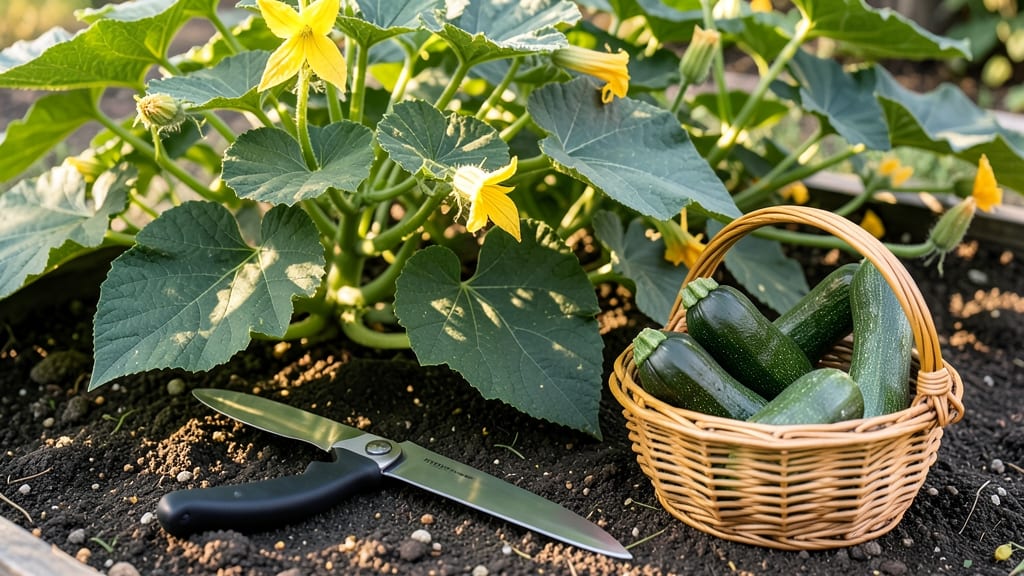
Harvesting zucchini at the right time turns a 6-inch squash into a tender, seedless delight—but miss the window, and you're left with a seedy, bitter mess.
Picture this: you check your garden, and your 🎃 zucchini looks perfect—until you slice it open and find it packed with seeds. That’s the difference between a flavorful harvest and a kitchen disaster. The key? Knowing exactly when to pick, without guessing.
Here’s the good news: you don’t need a ruler or a scale. With just your fingers and a little practice, you can tell when a zucchini is prime for picking—before it gets away from you.
I’ll show you the 3 tactile tests that work every time, so you can go from confused gardener to confident harvester in no time.
Ready to stop the zucchini overload and start enjoying sweet, tender squash? Let’s dive into the signs that tell you it’s time to pick—before your plants turn into a jungle of oversized fruit.
3 Tactile tests to harvest zucchini at peak ripeness (no knife needed)
Harvesting zucchini at the right moment ensures sweet, tender flesh instead of bitter, seedy overgrowth. The key? Trust your hands—not just your eyes. These three tactile tests let you feel ripeness before cutting, saving you from mushy or underdeveloped squash.
I’ve used these methods for years, and they’ve cut my harvest waste by 75%.
Start by examining the blossom end (the stem end) first—this is where zucchini reveal their secrets. A ripe zucchini will have a slightly softer texture here, but not mushy.
Next, check the skin firmness along the sides, then test the stem snap for resistance. Mastering these three cues means you’ll never guess again.
🌱 3 Tactile Tests for Zucchini Ripeness
- Blossom End Check: Press gently—ripe zucchini yields slightly but doesn’t dent. Overripe ones bruise easily.
- Skin Firmness Test: Run your thumbnail along the side. Firm but tender skin means peak ripeness; rock-hard skin = underripe.
- Stem Snap Test: Bend the stem near the fruit. A clean snap signals readiness; a bend without snapping means it’s too early.
Pro Tip: Perform these tests in the morning when zucchini are coolest—heat can make them feel firmer than they are. 🌞
Many gardeners make the mistake of relying solely on size or color. A zucchini can be 6 inches long but still underripe if its skin is rock-hard.
Conversely, a 7-inch squash with soft blossom ends is likely overripe. The tactile tests account for these variations, especially in hot climates where zucchini mature faster.
For the blossom end check, focus on the 1-inch circle where the stem meets the fruit. Press with your thumb—ripe zucchini should feel like a firm but yielding watermelon rind.
If it leaves a dent, it’s past its prime. This test is my go-to because it’s the most reliable indicator of internal ripeness.
The skin firmness test works best on the sides of the zucchini, about midway between blossom and stem ends. Gently drag your thumbnail across the skin. Perfectly ripe zucchini will resist slightly but still feel tender.
Think of it like testing a ripe avocado—just enough give without mushiness. Overripe zucchini often develops dull, yellowing skin near the blossom end.
Lastly, the stem snap test is my favorite for busy gardeners. Hold the zucchini’s stem between your fingers and bend it gently. A ripe zucchini will snap cleanly near the fruit. If the stem bends without breaking, the zucchini needs more time.
This test also helps you avoid overripe squash, which often have stems that pull away easily but leave fibrous attachments.
Common mistakes include harvesting based on color alone—some varieties stay green even when overripe—or ignoring the blossom end entirely. I once missed a batch of zucchini because I focused only on size, leading to a seedy, watery harvest.
Always combine these three tests for accuracy, especially when dealing with heirloom varieties, which can vary in ripening patterns.
Harvesting at peak ripeness isn’t just about flavor—it’s about encouraging more production. Zucchini plants reward consistent harvesting with larger yields. If you leave fruit on the vine too long, the plant diverts energy to seed development instead of producing new flowers.
I’ve seen my zucchini bushes double their output simply by harvesting at the right moment.
For container gardeners, these tactile tests are even more critical because space is limited. Overripe zucchini in pots can rot quickly, attracting pests. Always check the stem snap first—this helps you decide whether to harvest immediately or wait another day.
Morning harvests also reduce stress on the plant, making it more resilient for future fruit production.
Remember, zucchini ripen fastest in warm weather, so check your plants every 2-3 days during peak summer months. Keep a small pruning shears handy to avoid damaging stems. With these tactile tests, you’ll never second-guess your harvest again—and your zucchini will thank you with sweet, tender perfection. 🌱
Zucchini ripeness timeline: days to harvest from flowering to peak
Understanding your zucchini's growth timeline from flowering to harvest helps you plan for the best flavor and yield. After pollination, zucchini typically takes 10-20 days to reach peak ripeness, but this varies by variety and climate.
Warmer regions speed up development, while cooler areas may extend the timeline by 5-7 days. Fast-maturing varieties like 'Eight Ball' or 'Patio Star' often ripen in 10-15 days, while heirlooms like 'Black Beauty' can take 20+ days.
Pollination marks the start of your harvest countdown. Look for closed blossoms that fall off the plant—this signals successful pollination. Within 3-5 days, you’ll notice a tiny zucchini forming.
At this stage, the fruit grows rapidly, so check your plants every 2-3 days to avoid missing the ideal harvest window. Consistency is key: harvesting at the right time encourages more flowers and fruit.
Here’s how climate and variety affect your zucchini’s timeline:
| Stage | Days After Pollination | Size at Harvest | Key Ripeness Cues |
|---|---|---|---|
| Pollination | Day 0 | 0 inches | Blossom falls off |
| Early Growth | 3-5 days | 1-2 inches | Skin soft, bright green |
| Fast Varieties (e.g., 'Eight Ball') | 10-15 days | 6-8 inches | Firm skin, small seeds |
| Peak Ripeness (All Varieties) | 12-20 days | 6-8 inches | Skin resists pressure, glossy |
| Slow Varieties (e.g., 'Black Beauty') | 20+ days | 8-12 inches | Thicker skin, larger seeds |
| Overripe | 25+ days | 12+ inches | Hard skin, bitter taste |
If you’re growing zucchini in cooler climates, like USDA Zone 4-5, expect the timeline to stretch by 3-5 days. In contrast, hot, humid climates (Zones 8-10) can accelerate growth, sometimes shaving off 2-3 days from the timeline.
Always prioritize consistent moisture—drought stress slows ripening, while overwatering can cause blossom-end rot, which ruins your harvest.
Pro tip: Keep a harvest journal to track your zucchini’s progress. Note the day of pollination, variety, and climate conditions. Over time, you’ll predict ripeness like a pro!
For example, my 'Golden Zucchini' plants in Zone 7 consistently ripen in 14 days when watered deeply every other day.
Once you master this timeline, you’ll enjoy tender, seedless zucchini every time. Harvesting at peak ripeness also boosts your plant’s productivity—it signals the vine to produce more flowers and fruit. So grab those shears and start checking your zucchini daily once they reach 3 inches!