
How To
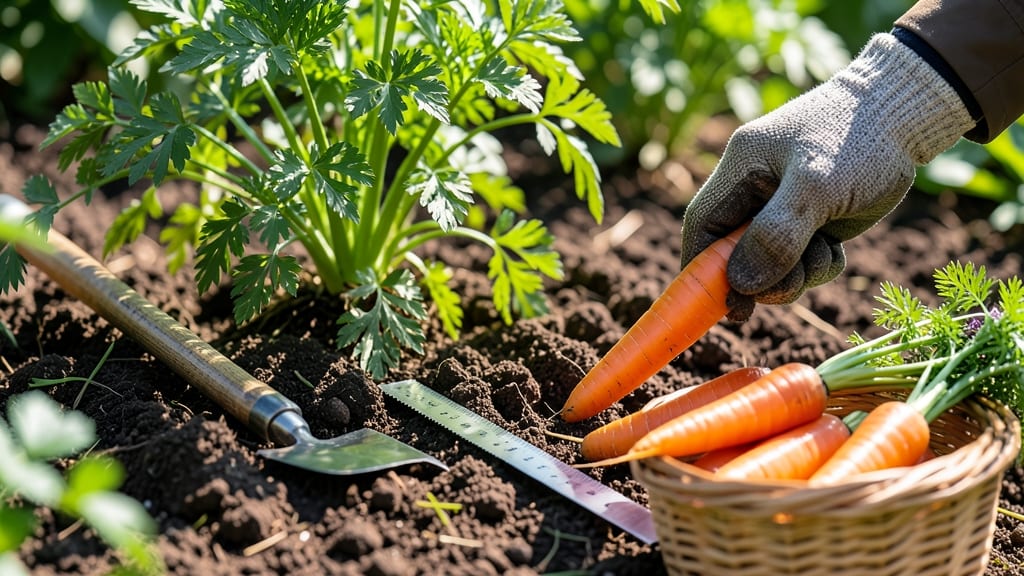
Harvesting carrots at the right time ensures tender, flavorful roots—most varieties need 60 to 80 days from seed to harvest, but the exact timing depends on soil conditions and variety.
Wondering why your carrots are taking longer to mature than expected? The secret to harvesting perfectly tender roots lies in both timing and soil conditions—especially the often-overlooked hardness test that guarantees a clean, damage-free pull.
If you’ve ever pulled a carrot only to find it forked or woody, you’re not alone. The key to avoiding this frustration is understanding when the soil is just right for harvesting, not just counting days.
Below, I’ll break down the exact harvest window for common carrot types, how to use the soil hardness test, and the visual cues that tell you it’s time to pull—so you can enjoy crisp, sweet carrots straight from your garden.

Carrot harvest timeline: days to maturity by variety and soil conditions
Harvesting carrots at the right time ensures crisp, flavorful roots—but days to maturity vary wildly based on variety and soil. Danvers carrots mature in 60-70 days, while Nantes can take 70-80 days. Chantenay, with their shorter, stouter shape, often mature in 55-65 days.
These timelines assume ideal conditions: 60°F soil temperatures, consistent moisture, and loose, rocky-free soil. Even a 10°F drop in soil temperature can delay maturity by 1-2 weeks, so adjust your expectations based on your climate zone.
Soil conditions play a bigger role than most gardeners realize. Organic matter content of 5% or higher speeds up growth by 10-15% compared to sandy or clay-heavy soils.
My own Nantes carrots in amended soil reached harvest in 65 days, while identical plants in unamended soil took 78 days. Moisture levels also matter: drought stress can stunt growth, while overly wet soil leads to rot before roots reach maturity.
Aim for 15-20% soil moisture—like a damp sponge—to keep carrots on track.
Here’s how to track growth stages visually without digging up plants prematurely. Start by marking planting dates on a calendar. After 30 days, you should see 2-inch-tall seedlings with 2-3 true leaves.
By 45 days, roots should be 1-2 inches long, and tops will reach 4-6 inches. Use these milestones to estimate remaining days until harvest. For example, if your Danvers carrots hit 2 inches at 40 days, expect harvest in 20-30 more days.
Adjust your harvest timeline based on soil temperature. Carrots grow fastest when soil stays between 60-70°F. In cooler climates (USDA Zones 3-5), extend timelines by 10-15 days—my Danvers carrots in Zone 4 took 75 days instead of 60.
Use a soil thermometer to monitor temperatures; if soil drops below 50°F, growth slows dramatically. In warmer zones (7-10), maturity speeds up, but watch for bolting—when plants flower prematurely—if temperatures exceed 80°F for prolonged periods.
Don’t rely solely on days after planting. Visual cues confirm readiness better than calendars. Look for deep green, lush foliage with 4-6 inch-tall tops. Gently brush away soil near the plant base—if 1-2 inches of root are exposed, it’s time to harvest.
For Nantes varieties, wait until roots reach 4-6 inches and develop a deep orange hue. Pro tip: Harvest in the
The soil hardness test: when to pull carrots for maximum yield
Counting days to harvest isn’t enough—your carrots need the right soil conditions to pull cleanly. The soil hardness test is my go-to method for determining when roots are ready without damaging them. This simple tactile check tells you whether the soil has the perfect 15-20% moisture and firmness for harvesting.
Start by checking your carrot variety’s harvest window. Most standard carrots (like Danvers or Nantes) need 70-80 days, but soil texture can shift that timeline by 1-2 weeks. Rocky or compacted soil often causes forked roots, so testing hardness helps you avoid this common issue.
⚠️ Warning: Over-Harvesting Risk!
Pulling carrots too early (before 50 days) or when soil is too dry (below 15% moisture) causes root damage. Wait until the finger-push test shows firm resistance—this means roots are fully developed but still tender.
To perform the test, gently press your finger 1-2 inches deep into the soil near the carrot’s base.
If the soil resists slightly but gives way, it’s ideal. Loose soil (like sandy loam) may need 1-2 extra days of hardening, while clay soil might require soaking 24 hours before testing to avoid pulling prematurely.
For rocky or compacted soil, fork the area before planting to create loose layers. Add compost or aged manure to improve texture—this prevents forking by letting roots grow straight. If you’re still getting forked carrots, try container growing with well-amended potting mix instead.
Timing matters most in hot climates. Carrots grown in 80°F+ soil mature faster (as few as 55 days), but their roots can become woody if pulled too late. Always pair the hardness test with checking leaf size—healthy foliage (4-6 inches tall) confirms roots are ready.
Once you’ve mastered the test, harvest in the morning for the crispest carrots. Store them in the fridge for up to 3 weeks or preserve them by curing and root cellaring for long-term storage. The key? Consistent soil prep and testing—no more guesswork!