
How To
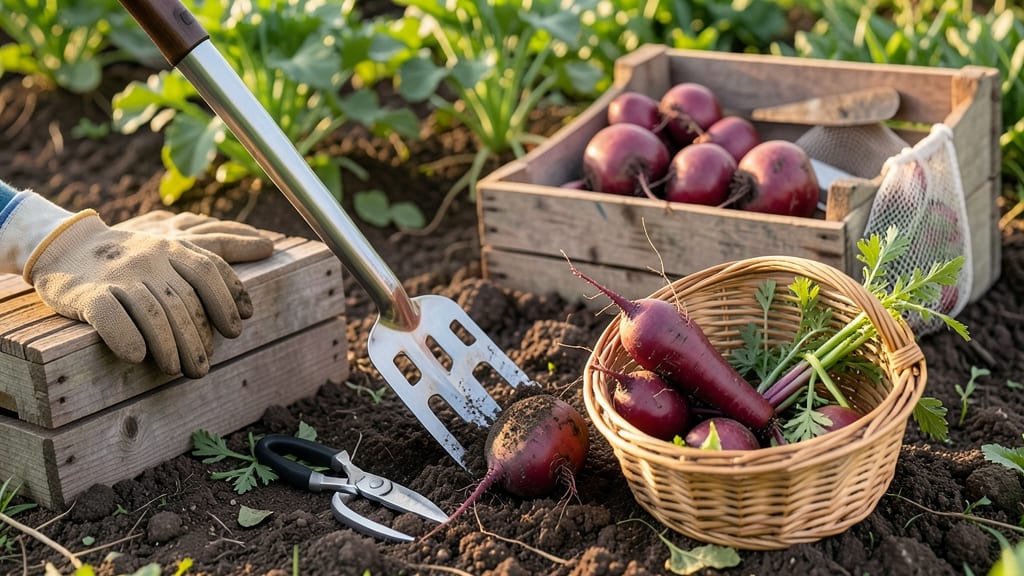
Harvesting and storing beetroot at the perfect time ensures you get the sweetest, crispest roots 🍠—but one wrong move can turn your harvest into a tough, flavorless mess.
Picture this: you’ve nurtured your beets for months, only to pull them too early and end up with tiny, underdeveloped roots, or wait too long and get woody, bitter tubers.
The difference between success and disappointment often comes down to timing and technique—and knowing how to store them properly afterward.
In this guide, I’ll walk you through the exact signs of readiness to harvest your beets, whether you’re growing baby beets or full-sized roots, plus the best methods to store them for weeks—or even months—without losing quality.
You’ll also discover how to troubleshoot common issues like rot or wilting, so your harvest stays fresh longer. Ready to turn your garden’s hard work into delicious, long-lasting meals? Let’s get started.


When and how to harvest beetroot for maximum sweetness and texture
Harvesting beetroot at the perfect moment transforms your garden into a treasure trove of sweet, tender roots. Unlike many vegetables, beets actually become more flavorful when left in the ground slightly longer—but push too far, and you’ll end up with tough, woody roots that scream "overcooked."
The key lies in watching for visual cues and understanding how different varieties mature at unique speeds.
Baby beets, like the popular 'Babybeat' variety, reach peak tenderness in just 45-55 days and should be harvested when they’re golf-ball sized (about 1-2 inches in diameter).
Mature varieties like 'Detroit Dark Red' or 'Golden' take 55-70 days and need to grow larger—aim for 2-3 inches—before pulling them from the soil.
Timing matters beyond size: harvest in cool morning hours (before 10 AM) when soil is moist but not soggy. This prevents stress on the roots and ensures they stay crisp.
Avoid harvesting during heatwaves or after heavy rain, as both conditions can make beets tough or prone to bolting (flowering prematurely).
Here’s your quick reference for harvest-ready signs to spot in the garden:
To harvest, use a hand fork or trowel to gently loosen soil around the beet, then grasp the leafy tops and pull upward. Never grab the root itself—this can cause bruising.
Shake off excess dirt, but leave the greens attached until you’re ready to store or cook; they help preserve moisture in the root.
For baby beets, you can harvest multiple times from the same plant by thinning seedlings to 3-4 inches apart early on. This encourages larger roots later in the season.
Mature beets, however, should be harvested all at once to avoid competition for nutrients, which can make remaining roots small or misshapen.
After harvesting, trim the leafy greens back to 1 inch above the root to reduce moisture loss. Store beets in a cool, dark place (like a root cellar or basement) where temperatures stay between 32°F and 40°F.
They’ll keep for up to 3 months this way—far longer than refrigerated beets, which last only 1-2 weeks.
Pro tip: If your beets develop a woody texture or bitter taste, they’ve likely been left too long. Next time, mark your planting date on a calendar and count back 60 days for mature varieties or 50 days for baby beets.
This simple trick ensures you never miss the sweet spot again.
One final caution: Don’t wash beets before storing—excess moisture speeds up rot. Instead, brush off dirt with a damp cloth just before cooking. And if you notice any soft spots or mold during storage, discard those beets immediately to prevent spoilage from spreading.
Best storage methods to keep beetroot fresh for weeks (or months!)
Once you’ve harvested your perfect beets, proper storage becomes just as critical as harvesting at the right time. Beetroots stored correctly can last weeks in the fridge, months in a root cellar, or even up to a year when frozen.
But skip the prep steps, and you’ll end up with mushy, sprouted, or rotting roots before you know it.
The key to long-term storage starts with prepping your beets properly—trimming the greens, curing the roots, and choosing the right method based on how soon you’ll use them. I’ve tested all three major storage techniques—refrigeration, freezing, and root cellar storage—and here’s what works best for each scenario.
🌱 Beetroot Storage Methods Compared
Refrigeration
- Pros: Easy access, lasts 4-6 weeks
- Cons: Limited shelf life, risk of sprouting
Best for: Short-term storage (1-2 months)
Freezing
- Pros: Up to 1 year shelf life, preserves texture
- Cons: Requires blanching, slight texture change
Best for: Long-term storage, bulk harvests
Root Cellar
- Pros: 3-6 months freshness, no prep needed
- Cons: Requires cool, humid space, limited access
Best for: Gardeners with root cellar access
For refrigeration, start by trimming the greens and leaving a 1-inch stem attached. Store them in a plastic bag with a paper towel to absorb moisture—this keeps them crisp for 4-6 weeks. The paper towel trick is non-negotiable; without it, condensation builds up and speeds up rot.
If you’re planning to store beets for months, a root cellar is your best bet. Cure the roots for 1-2 hours at room temperature after harvest, then store them in sand or sawdust in a cool (32-40°F), humid (90-95%) environment.
This mimics their natural growing conditions and keeps them fresh for up to 6 months.
Freezing is ideal if you’ve harvested more beets than you can use in a few weeks. After trimming, blanch them for 2 minutes in boiling water, then shock in ice water.
Pack them in airtight freezer bags with labels—this method preserves flavor and texture for up to a year, though they’ll be slightly softer after thawing.
Avoid storing beets with their greens attached for more than a few days—they’ll draw moisture from the roots, causing them to wilt faster. And never wash beets before storing; moisture speeds up spoilage. Instead, use a damp cloth to clean them right before use.
For the longest shelf life, combine methods: refrigerate for short-term use, freeze for bulk storage, and use a root cellar if you have the space. With these techniques, you’ll never waste a single beet again!