
How To
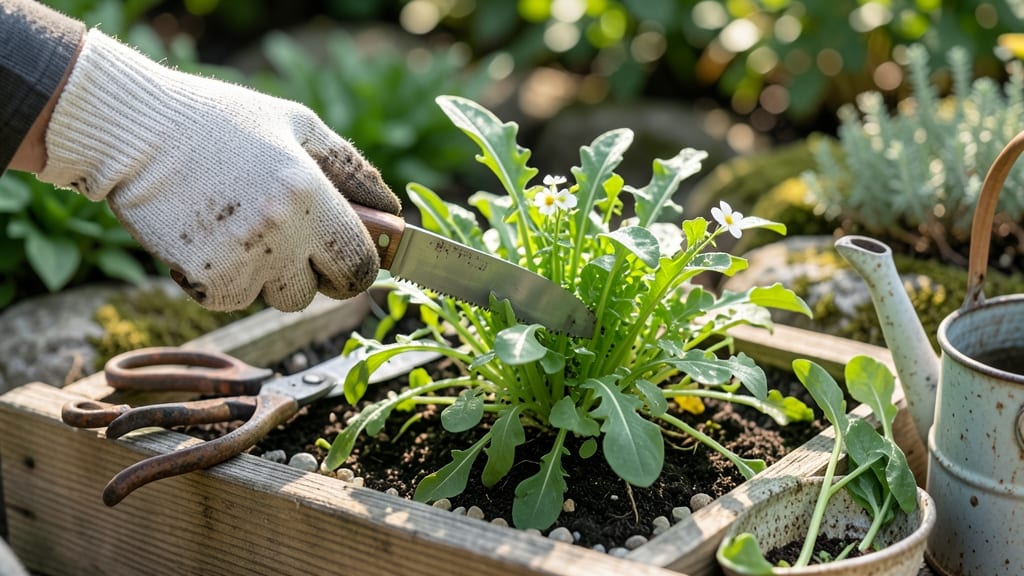
To harvest arugula so it keeps growing, focus on cutting just the outer leaves while leaving the inner stems intact—this trick keeps your 🌱 thriving for weeks.
Picture this: you’ve finally got a lush patch of arugula, and then—after one harvest—it bolts or shrinks down to a sad little rosette. That’s the difference between knowing the right technique and guessing. The key is patience and precision.
Most gardeners make two big mistakes: either they snip too much at once or they wait until the leaves are too mature. Both lead to stunted regrowth.
Instead, you’ll learn how to time your cuts, which leaves to pick, and even how to coax a second harvest from the same patch.
By the end, you’ll have a step-by-step method for continuous harvests, plus tips to keep your soil fed and your plants happy between cuts. No more wasted greens—just a steady supply of peppery goodness.


Correct arugula harvesting techniques to encourage regrowth
Arugula is one of those fast-growing greens that rewards patience with continuous harvests, but only if you use the right technique. The key lies in selective trimming—cutting leaves the way a hairdresser thins out hair—so your plant stays lush and productive.
Unlike other leafy greens, arugula bolts quickly when stressed, so gentle harvesting is non-negotiable for a second (or third!) crop.
Most gardeners make two critical mistakes: either they cut too much at once, shocking the plant, or they pull entire leaves, leaving jagged stems that invite disease. Instead, we’ll focus on precision harvesting that keeps your arugula thriving for weeks.
Ready to master the art? Let’s dive into the step-by-step method that’s worked for me in USDA Zone 6a gardens.
How to Harvest Arugula for Regrowth
- Step 1: Wait for maturity Harvest only when outer leaves reach 2-3 inches. Younger leaves stay tender, while mature leaves develop that signature peppery kick. Use your fingers to gently pinch-test leaves—if they’re crisp and bright green, they’re ready.
- Step 2: Choose the right tool Use clean, sharp scissors or pruning shears (never your fingers). Dull tools crush stems, inviting rot. I keep a small pair dedicated just to arugula to avoid cross-contamination with other plants.
- Step 3: Cut strategically Snip only the largest outer leaves, leaving the inner rosette intact. Aim to remove no more than 1/3 of the plant’s foliage per harvest. This mimics natural leaf fall and signals the plant to produce more.
- Step 4: Leave 2-3 inches of stem Never cut into the growth point at the base. For each leaf, leave a 2-inch stem stub—this ensures the plant can regenerate. Think of it like trimming your hedge: always leave the base intact.
- Step 5: Harvest in the morning Pick leaves early in the day when they’re crisp and hydrated. This also gives the plant time to recover before evening temperatures drop. Avoid harvesting after rain—wet leaves bruise easily.
- Step 6: Clean up debris Remove any yellow or damaged leaves immediately. These can harbor pests or diseases. Toss them in the compost (not your kitchen scraps!) to keep your garden healthy.
"A well-harvested arugula plant can give you 3-4 cuts per season—just follow these steps!"
Here’s a pro tip I learned the hard way: Never harvest arugula after it bolts. That tall flower stalk signals the end of leaf production.
If you see one sprouting, snip it immediately at the base—sometimes this tricks the plant into producing a few more leaves before it’s truly done.
The frequency of harvests depends on your climate. In cool spring months (like March-April), I harvest every 2-3 weeks, while in hot summer, I space cuts 4-6 weeks apart to prevent bolting. Always check the soil—if it’s bone-dry between waterings, your arugula is stressed and needs a break.
For container gardeners, the same rules apply, but watch your root space. Arugula in pots bolts faster due to limited nutrients. If you’re growing in a 5-gallon container, limit yourself to 2-3 harvests per season unless you’re fertilizing heavily with high-nitrogen compost.
One common mistake? Harvesting only the largest leaves and ignoring the smaller ones. These baby leaves are just as delicious and grow back faster. Try the "salad bowl method": harvest a mix of sizes to encourage even regrowth across the plant.
After your first harvest, give your arugula a light feeding with fish emulsion or compost tea. This replenishes nutrients lost during cutting. Pair this with consistent morning watering, and you’ll be rewarded with a second flush of leaves in 2-3 weeks. 🌱
When and how often to harvest arugula for maximum yield
Timing your arugula harvests correctly is the key to a continuous supply of peppery greens. Unlike many vegetables, arugula thrives when you harvest regularly—but only if you follow the right schedule.
In spring and fall, when temperatures are mild, you can harvest every 2-3 weeks once the plant reaches maturity. During hot summer months, slow growth means you’ll harvest less frequently, but proper timing prevents bolting (when the plant flowers prematurely).
Your arugula’s maturity stage determines when to start harvesting. Aim to begin when the outer leaves reach 2-3 inches in length—this usually happens 3-4 weeks after planting. At this point, the leaves are tender and packed with flavor.
If you wait too long, the plant may bolt, sending up a flower stalk that makes the leaves bitter. Conversely, harvesting too early can stunt growth and reduce future yields.
📌 How to Harvest Arugula So It Keeps Growing
- 🌱 Start harvesting when outer leaves reach 2-3 inches—use clean, sharp scissors or pruners to avoid damaging stems.
- ✂️ Cut leaves at a 45-degree angle just above the soil line, leaving 2-3 inches of stem to encourage regrowth.
- 🌿 Harvest outer leaves first—this protects the inner growth point and prevents stressing the plant.
- 🌡️ Avoid harvesting in extreme heat (above 80°F)—arugula bolts quickly when stressed.
- 💧 Water thoroughly after harvest to support regrowth and prevent wilting.
Seasonal adjustments are critical for maximizing yield. In spring, when arugula grows rapidly, you can harvest every 1-2 weeks if you’re gentle with the plant. By late spring, as temperatures rise, reduce harvesting frequency to every 3-4 weeks to avoid bolting.
In fall, arugula often performs better than in summer, allowing for bi-weekly harvests until the first frost. Always check the leaf color and size—bright green and crisp leaves mean it’s harvest-ready.
Recognizing the signs of over-harvesting is just as important as knowing when to cut. If your arugula stops producing new leaves, the remaining foliage turns yellow or wilted, or the plant looks stunted, you’ve likely harvested too much. Over-harvesting weakens the plant’s ability to regenerate.
On the flip side, under-harvesting can lead to bitter leaves and bolting, as the plant redirects energy toward flowering. Balance is key—aim to remove no more than 1/3 of the plant at any single harvest.
Environmental factors like temperature and sunlight also influence your harvest schedule. Arugula grows best in cool weather (50-65°F), so in summer, provide afternoon shade to prevent bolting. If your garden gets intense afternoon sun, consider harvesting earlier in the day when leaves are crisp.
In containers, arugula may need more frequent watering, which can slightly alter your harvest timing—always check soil moisture before cutting.
With the right approach, you’ll enjoy harvests for months from a single planting. The key is consistency: harvest regularly, monitor plant health, and adjust for seasonal changes. Soon, your arugula will reward you with a steady supply of fresh, peppery greens all season long. 🌱