
How To
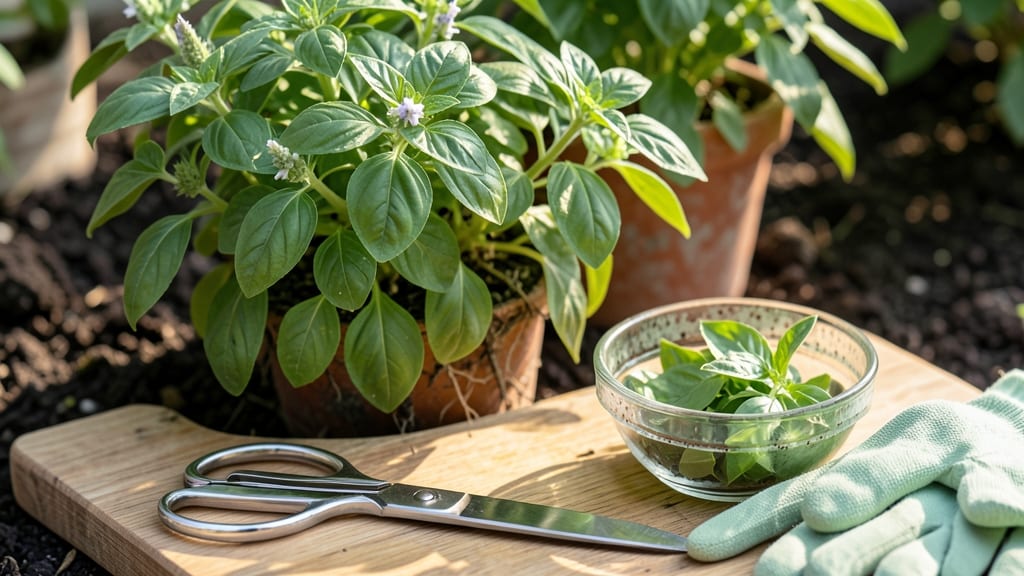
Harvesting basil for pesto at its peak flavor means cutting the right leaves at the right time — and doing it wrong can turn your freshest herbs into bitter, woody scraps.
Picture this: you’ve spent weeks nurturing your 🌿 basil, and now the moment has come to make that dreamy green pesto. But if you snip too late or take the wrong stems, your dish loses its bright, sweet essence.
The secret? A leaf-by-leaf approach that keeps your plant happy and your pesto unforgettable.
Most gardeners don’t realize that timing is everything — harvesting too early or too late changes the flavor completely. You’ll learn exactly when to pluck those aromatic leaves, how to trim stems without stressing the plant, and why stopping just before flowering is the game-changer for rich, vibrant pesto.
From your first harvest to storing the bounty, I’ll walk you through every step so you never waste a single leaf again. Ready to turn your garden into a pesto powerhouse?


When and how to harvest basil for optimal pesto flavor
The secret to pesto perfection starts in your garden—not the kitchen. Basil loses its sweet, aromatic flavor the moment it flowers or develops woody stems.
To keep your pesto tasting like a sun-drenched Tuscan garden, you need to harvest at the right growth stage and use the proper cutting techniques. I’ve learned that timing and method make all the difference between bright, sweet basil and bitter, overgrown stems.
Harvesting basil for pesto isn’t just about picking leaves—it’s about encouraging bushier growth so your plant keeps producing flavorful foliage all season. The key is to harvest young leaves (the top 1/3 of stems) before the plant puts energy into flowering.
This triggers the plant to branch out, giving you more harvests and richer flavor for your pesto.
| Harvest Stage | Plant Height | Leaf Selection | Cutting Method | Flavor Impact |
|---|---|---|---|---|
| Early Growth | 4-6 inches | Top 2-3 leaves | Pinch stems above leaf nodes | Mild, tender flavor |
| Mature Plant | 8-12 inches | Upper 1/3 of stems | Cut 2-3 inches above leaf nodes | Balanced sweetness |
| Late Season | 12+ inches | Outer leaves only | Trim stems at base | Strongest aroma |
| Avoid | Flowering stage | Any leaves | Remove flowers immediately | Bitter, woody taste |
Never harvest basil after it flowers—this is when the plant shifts its energy from leaf production to seed development. The leaves become bitter and tough, ruining your pesto. Instead, focus on harvesting young, tender leaves from the top of stems or the outer edges of the plant.
This encourages the basil to branch out, creating a bushier plant with more harvestable leaves.
For the best pesto flavor, always harvest in the morning after the dew has dried but before the midday heat sets in. The essential oils that give basil its aroma are most concentrated at this time.
Use clean, sharp scissors or your fingers to pinch stems—never tear leaves, as this can damage the plant and reduce future harvests.
One of my biggest mistakes was harvesting basil by snipping random leaves throughout the plant. This creates an uneven growth pattern and weakens the stems. Instead, always cut above a leaf node (the point where leaves grow out).
This signals the plant to grow new branches from that spot, giving you a fuller, more productive plant.
If you’re growing basil in containers, rotate the pot every few days so all sides get equal sunlight. This prevents the plant from leaning and ensures even growth.
Container-grown basil also benefits from regular pinching—just remove the top set of leaves when the plant reaches 6 inches tall to encourage bushier growth.
To maximize your pesto harvests, space out your cuts. Harvesting too much at once can shock the plant and reduce future yields. Aim to remove no more than 1/3 of the plant in a single session. This keeps your basil healthy, flavorful, and productive all season long.
After harvesting, rinse the leaves gently under cold water to remove dirt, then pat them dry with a paper towel.
Store them in a sealed container in the fridge for up to 5 days, or freeze them in ice cube trays with a little water for later pesto batches. Freshly harvested basil always tastes best, but proper storage ensures you never waste a single leaf.
With the right harvesting techniques, your basil will reward you with continuous, flavorful harvests all summer long. The key is patience—harvest little and often
Step-by-step basil harvesting process for pesto making
Harvesting basil at the right time ensures your pesto will burst with flavor instead of developing bitter notes. The key is timing—wait until your basil plant has grown at least 6-8 inches tall and developed 6-8 sets of leaves.
This usually happens 60-90 days after planting, depending on your climate. If you harvest too early, you’ll stunt growth, and if you wait too long, the leaves may become tough or bitter.
Before you begin, gather your tools: a pair of clean, sharp scissors or pruning shears, a bowl of cold water, and a paper towel. Avoid using dull tools, as they crush stems and bruise leaves, leading to faster spoilage.
Work in the early morning when leaves are hydrated and flavors are most concentrated. This simple prep ensures your basil stays fresh and vibrant for the perfect pesto.
🌿 Step-by-Step Basil Harvesting Guide
-
Step 1: Identify the Right Leaves
Focus on the larger, outer leaves first. These are fully mature and packed with flavor. Avoid the smaller inner leaves—they’re still growing and less aromatic. -
Step 2: Use the Proper Cutting Technique
Hold the stem at a 45-degree angle and cut just above a leaf node (where leaves meet the stem). This encourages new growth and keeps the plant bushy. -
Step 3: Harvest in Stages
Never take more than 1/3 of the plant at once. For pesto, aim for 1/2 cup loosely packed leaves per harvest. This prevents shocking the plant and ensures continuous production. -
Step 4: Handle Leaves Gently
Place harvested leaves in a bowl of ice water for 5-10 minutes to crisp them up. Pat dry with a paper towel before storing or using in pesto to remove excess moisture. -
Step 5: Store for Maximum Freshness
Wrap leaves in a damp paper towel, place them in a sealed plastic bag, and refrigerate for up to 5-7 days. For longer storage, freeze leaves in an ice cube tray with water or olive oil.
One of the biggest mistakes gardeners make is harvesting basil after it flowers. Once basil blooms, the leaves become bitter and lose their signature sweetness. Always snip off flower buds as soon as they appear to redirect the plant’s energy back into leaf production.
This keeps your basil productive and flavorful for weeks longer.
After harvesting, give your basil plant a little extra care to encourage regrowth. Water the soil deeply but evenly to replenish moisture lost during trimming. Avoid overhead watering, which can lead to fungal issues.
In 2-3 weeks, you’ll notice new growth emerging from the leaf nodes you cut above—this is your plant’s way of thanking you for proper care!
If you’re harvesting basil for multiple pesto batches, space out your cuts by 1-2 weeks between sessions. This gives the plant time to recover and maintain its vigor. For container-grown basil, rotate the pot quarter-turn daily to ensure even sunlight exposure, which keeps growth balanced and prevents leggy stems.
With these steps, your basil will stay lush and productive all season long.