
How To
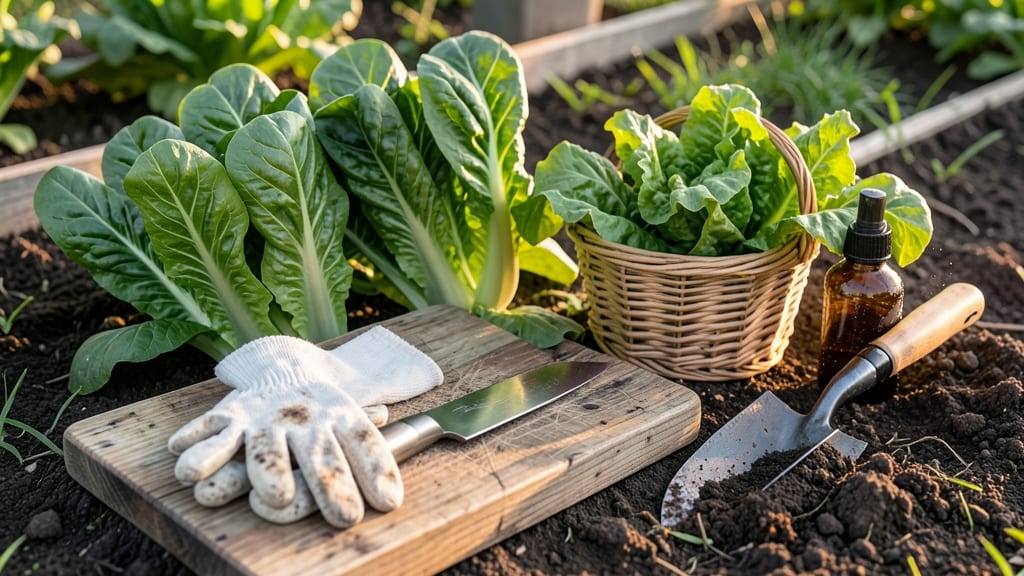
Harvesting lettuce by picking the right leaves at the right time ensures you get continuous greens instead of a single sad haul.
Picture this: you’ve nurtured your 🥬 plants for weeks, only to pull a handful of wilted leaves and watch the rest bolt into bitter stems. That’s the difference between knowing when to harvest and guessing. The secret? Timing, tools, and a little leaf-by-leaf patience.
Most gardeners make one of two mistakes: either they yank the whole plant too soon or wait until the center turns tough and woody. Neither leaves you with fresh, crisp lettuce for salads or sandwiches.
Instead, you’ll learn how to trim outer leaves without damaging the core, when to pluck baby leaves for microgreens, and how to encourage regrowth for weeks of harvests.
By the end, you’ll have a step-by-step method that works for loose-leaf, romaine, and butterhead varieties—plus tips to avoid bolting and keep your plants producing all season.


Step-by-step lettuce harvesting techniques for cut-and-come-again success
Harvesting lettuce properly is the secret to enjoying fresh greens all season long. The cut-and-come-again method lets you harvest leaves repeatedly while keeping your plants healthy and productive. Whether you're growing loose-leaf, romaine, or butterhead varieties, the right technique prevents bolting and encourages new growth.
Timing and method matter most—harvesting too early or too late can ruin your crop. I’ve found that harvesting outer leaves first preserves the plant’s center, allowing it to regrow. With the right tools and a little patience, you’ll enjoy a continuous supply of crisp, flavorful lettuce all season.
- Step 1: Choose the right time—harvest when leaves reach 4-6 inches and are dark green and crisp.
- Step 2: Gather tools: a sharp knife or pruning shears, a bowl for harvested leaves, and gardening gloves (optional).
- Step 3: Start with the outer leaves—gently pinch or cut them 1 inch above the base to avoid damaging the center.
- Step 4: For head lettuce, cut the entire head 1 inch above the soil when fully mature, leaving the base intact.
- Step 5: Rinse leaves in cool water to remove dirt, then store in a plastic bag with a paper towel to absorb moisture.
- Step 6: After harvesting, water the plant deeply and apply mulch to retain moisture and encourage regrowth.
For loose-leaf varieties, you can harvest multiple times by cutting or pinching leaves every 2-3 weeks. This method works best in cooler weather—lettuce tends to bolt (go to seed) when temperatures rise above 75°F (24°C). Always harvest in the morning when leaves are crisp and hydrated.
If you notice your lettuce turning bitter or flowering, it’s bolting—this happens when days get longer or heat spikes. To prevent this, use shade cloth during hot afternoons or opt for heat-tolerant varieties like romaine or leaf lettuce. Harvesting early in the season also reduces the risk of bolting.
One common mistake is cutting too close to the base, which can damage the plant’s growing point. Always leave at least 1 inch of stem to allow new leaves to emerge. Over time, your lettuce will develop a bushier, more productive growth habit.
After your first harvest, monitor the plant closely. If the center looks woody or the leaves turn yellow, it’s time to let the plant bolt or pull it up to make room for a new crop.
With proper care, a single lettuce plant can yield multiple harvests over 6-8 weeks.
For container gardeners, use small containers with well-draining soil and harvest leaves similarly. Just be mindful of space—lettuce needs room to regrow. If your container is crowded, consider transplanting seedlings to give them more elbow room.
Store harvested lettuce in the crisper drawer of your fridge for up to 5-7 days. For longer storage, wrap leaves in a damp paper towel and place them in a sealed bag. This keeps them fresh until your next harvest!
With these techniques, you’ll enjoy a steady supply of homegrown lettuce without the hassle of replanting. Happy harvesting, and may your garden always stay lush and green! 🥬
When to harvest lettuce: timing tips to avoid bolting and maximize yield
Timing your lettuce harvest is everything—pick too early, and you’ll sacrifice flavor and size; wait too long, and you risk bolting (that bitter, flower-stalk sprout we all dread). The best time to harvest depends on your variety, weather, and how you plan to use your greens.
For loose-leaf varieties, you can start harvesting as soon as the outer leaves reach 4-6 inches, while head lettuce should be picked when the head is firm and fully formed.
Weather plays a huge role too. Lettuce thrives in cool temperatures (50-70°F), so aim to harvest during spring or fall. If summer heat rolls in, your lettuce may bolt prematurely—watch for tall stems and yellowing leaves as warning signs.
Morning harvests are ideal because the leaves are crisp and hydrated, making them perfect for salads or sandwiches.
🌱
⚠️ Warning: Overdue Lettuce = Bitter Bolting
Harvesting lettuce after 60 days risks bolting, especially in warm weather. If your lettuce develops flower stalks or woody stems, it’s past its prime. For continuous harvests, pick outer leaves first—this encourages regrowth without stressing the plant.
For baby lettuce, harvest when leaves are 3-4 inches tall—this gives you tender, sweet greens perfect for microgreens or garnishes. If you’re growing romaine or butterhead, wait until the head is compact and fully colored.
A gentle squeeze should tell you if it’s ready: the head should feel firm but not rock-hard.
Pro tip: Use a sharp knife or clean scissors to cut leaves just above the soil line. This minimizes damage and encourages new growth. Avoid pulling leaves—it can uproot the plant or leave stubborn stems behind.
For cut-and-come-again varieties, leave at least 2-3 inches of growth so the plant can regenerate.
If your lettuce starts to yellow or wilt, it’s a sign of overmaturity or stress. Heat, drought, or poor soil can all trigger early bolting. To prevent this, mulch around the base to retain moisture and provide afternoon shade during hot spells.
A light nitrogen feed can also delay bolting by promoting leafy growth.
Remember, the key to a continuous lettuce harvest is consistency. Check your plants every 2-3 days during peak growing season, and always harvest in the morning. This way, you’ll enjoy crisp, flavorful greens all season long—without the bitterness of bolting.
🥬