
How To
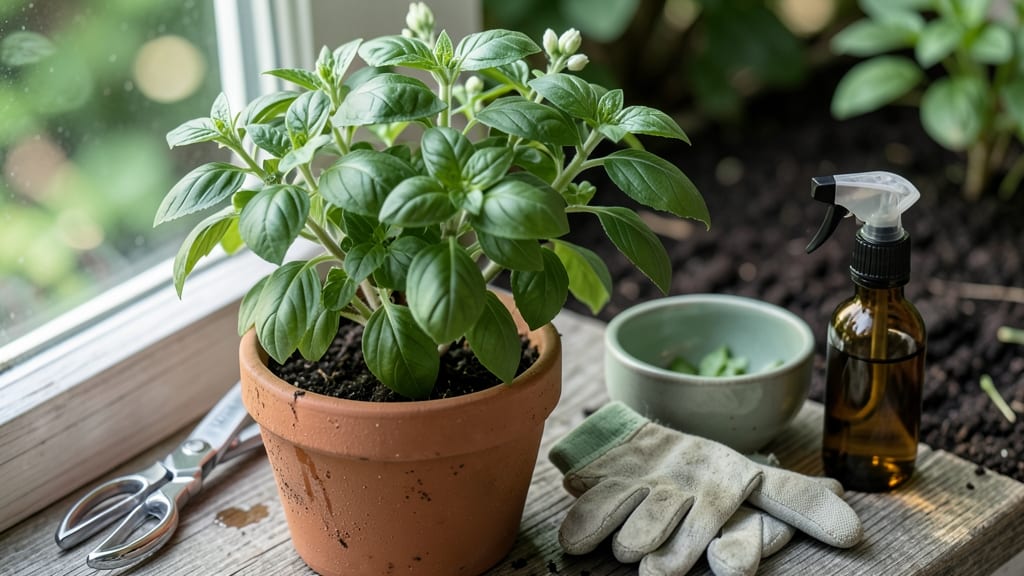
To harvest basil so it keeps growing, focus on pinching the top sets of leaves just above a leaf node—this simple trick triggers bushier regrowth and a longer harvest season.
Struggling to keep your basil plant thriving after harvest? Many gardeners mistakenly cut too much or too little, stunting regrowth—here’s the science-backed method to ensure your basil stays lush, productive, and ready for endless cooking.
Basil thrives when you harvest early and often, but timing matters just as much as technique. Morning harvests preserve flavor and encourage new growth, while avoiding overpruning keeps the plant healthy and maximizes yield.
Below, I’ll walk you through the exact pinching and pruning schedule, when to harvest for best results, and how to avoid the five biggest mistakes that kill regrowth.


The perfect pinch-and-prune technique for basil regrowth
Harvesting basil the right way feels like unlocking a secret garden—your plant doesn't just survive, it thrives and produces more leaves than you know what to do with. The key? A pinch-and-prune technique that mimics nature's pruning process, encouraging bushier growth and preventing woody stems.
Most gardeners make two big mistakes: cutting too much at once or harvesting at the wrong nodes, which shocks the plant and slows regrowth.
Think of your basil like a living bush—when you remove just the right parts, it responds by growing fuller and stronger. The ideal time to harvest is in the morning, right after the dew dries but before the sun peaks.
This gives your plant the whole day to recover and prevents stress from midday heat. Plus, morning-harvested leaves pack the most aromatic oils for cooking.
Here's the golden rule: Never remove more than 1/3 of the plant's foliage in a single harvest. This keeps the plant healthy and ensures it has enough energy reserves to bounce back.
For example, if your basil has 20 leaves, harvest no more than 6-7 leaves at a time. The rest stays to fuel new growth.
Now, let's get practical. The pinch-and-prune method isn't just about cutting—it's about strategic placement. You'll want to focus on the top sets (the small side shoots that form at leaf nodes) and the lower leaves that shade the soil.
This keeps your basil compact and productive while preventing leggy growth.
⚠️ Visual Guide: How to Harvest Basil So It Keeps Growing ⚠️
The 45-degree angle when cutting isn't just a detail—it's a growth hack. This angle increases the surface area for water absorption and prevents rot at the cut site. Plus, it looks more professional if you're gifting your harvest! After pruning, give your basil a light drink of water to help it recover faster.
One of my favorite regrowth triggers is the "pinch-and-wait" method. After harvesting, wait 7-10 days before pinching again. This gives the plant time to replenish energy reserves and ensures you're not overstressing it. During this time, monitor for new shoots at the nodes—these are your future harvest points.
For container-grown basil, the same rules apply, but you'll need to harvest more frequently since space is limited. In pots, I harvest every 5-7 days to keep the plant compact and prevent it from becoming root-bound.
If your basil starts looking leggy or sparse, it's a sign you're harvesting too much or not enough.
Pro tip: Label your basil varieties if you're growing multiple types. Some, like Genovese basil, are more sensitive to heavy pruning than Thai basil. Adjust your harvesting frequency based on the growth rate of your specific variety.
For example, Thai basil can handle more aggressive pruning due to its faster regrowth.
Remember, the goal isn't just to harvest—it's to encourage continuous growth. By following this
Basil harvesting schedule by growth stage: when and how much to trim
Harvesting basil at the right time and in the right way is the secret to keeping your plant productive for months. Unlike many herbs, basil responds best to regular, strategic pruning rather than occasional heavy cuts.
The key is understanding its growth stages—from delicate seedlings to mature flowering plants—and adjusting your approach accordingly.
Your basil plant goes through three critical phases where harvesting techniques should shift: seedling stage (first 4-6 weeks), vegetative growth (6-12 weeks), and flowering stage (after 12 weeks). Each phase requires different handling to prevent stress and encourage regrowth.
For example, cutting too much during the seedling stage can stunt development, while ignoring flowering stems can reduce flavor and yield.
Visual cues are your best friends when determining harvest readiness. Look for dark green, glossy leaves with a sweet aroma—these are signs your basil is mature enough for harvesting. Avoid cutting stems that are thicker than a pencil or show signs of yellowing, as these indicate over-maturity or stress.
During the vegetative stage, focus on cutting stems just above a leaf node (where leaves meet the stem) to encourage branching. This is where you’ll get the most regrowth.
Use clean, sharp scissors to avoid damaging the plant, and always harvest in the morning when essential oils are at their peak for flavor and to reduce stress on the plant.
When your basil starts flowering, act fast—remove flower buds immediately to redirect energy back to leaf production. Flowering signals the plant’s natural transition to seed production, which reduces leaf growth and alters flavor.
Pinch off buds as soon as you see them, and you’ll extend your harvest season by weeks.
After harvesting, give your basil a 2-3 week recovery period before pruning again. Watch for new growth emerging from the nodes—this is your cue that the plant is ready for another round.
Over-harvesting can weaken the plant, making it susceptible to pests and diseases, so always leave at least half the plant intact.