
How To
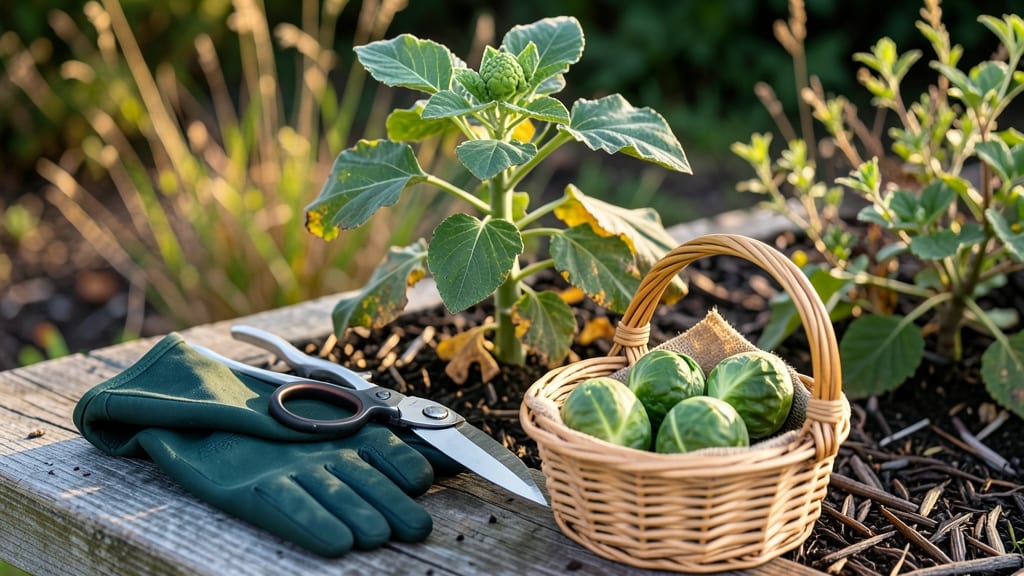
To harvest Brussel sprouts at their peak flavor, timing and technique are everything—miss the window, and you risk tough, bitter sprouts instead of the crisp, sweet gems you planted for.
Brussel sprouts are one of the most rewarding vegetables to grow—but only if you harvest them correctly. Mastering the twist-and-snap method ensures crisp, flavorful sprouts packed with nutrients, while timing mistakes can turn your crop into bitter, woody disappointment.
Most gardeners wait until October or November, when the plants are mature but before the first frost hits. Look for sprouts about 1-1.5 inches in diameter and a deep purple or brown hue—these are your cues for perfect harvest timing.
In this guide, you’ll learn the exact twist-and-snap technique, how to harvest from the bottom up without damaging the plant, and post-harvest care to keep your sprouts fresh for weeks.


When and how to harvest brussel sprouts for maximum flavor
Timing your brussel sprout harvest is everything—wait too long, and you’ll get tough, bitter buds. Harvest too early, and you miss out on their peak sweetness. The key is catching them when they’re 1–1.5 inches wide, with deep purple or brown hues, signaling their prime flavor window.
This usually happens 90–120 days after transplanting, but always check the plant’s cues over calendar dates.
Temperature also plays a role: cooler fall nights (below 60°F) sweeten the sprouts naturally. If a hard frost is forecasted, harvest everything before temperatures drop below 25°F—frozen sprouts turn mushy and lose flavor.
Start harvesting from the bottom of the stalk and work your way up, leaving the top few buds for later if your climate allows.
Now for the technique: the twist-and-snap method is gentler than cutting and preserves the plant’s health. Unlike other vegetables, brussel sprouts grow along a central stalk, so you’ll want to avoid damaging it. Here’s how to do it right:
- 🌱 Locate the lowest mature sprout (1–1.5" wide, deep purple/brown). Ignore smaller, green ones—they’re not ready.
- 👆 Gently grasp the sprout between your thumb and forefinger, about ½ inch above the base where it meets the stalk.
- 🌀 Twist firmly with a quick, confident motion—you’ll hear a satisfying snap as the sprout detaches cleanly.
- ✂️ If twisting fails, use clean pruning shears to snip ¼ inch above the next bud to encourage upward growth.
- 🌿 Repeat upward, harvesting every 1–2 weeks until the stalk is bare or frost arrives.
Why twist instead of cut? The twist-and-snap method minimizes damage to the stalk, reducing the risk of disease entry points and allowing the plant to keep producing.
Cutting too close can leave ragged edges that rot, while twisting preserves the plant’s integrity. Plus, snapped sprouts stay firmer longer because their stems remain intact.
Watch for these visual cues to avoid overharvesting: if the top buds are still bright green and small, hold off. The ideal sprout should feel dense and firm—if it’s hollow-sounding when tapped, it’s past its prime.
Overharvesting stresses the plant, so balance is key. Aim to leave at least 3–4 inches of stalk between the last harvested bud and the next one up.
One common mistake is harvesting all sprouts at once. This drains the plant’s energy and often results in small, underdeveloped buds. Instead, think of it like a rolling harvest: pick a few here, a few there, over 4–6 weeks.
This stretches your harvest season and ensures a steady supply of flavor-packed sprouts for your kitchen.
After harvesting, rinse gently under cool water to remove dirt, but avoid soaking—excess moisture speeds up spoilage. Store them in the crispest drawer of your fridge (usually the one with the highest humidity setting) and use within 5–7 days for the best texture.
For long-term storage, blanch and freeze them—this preserves their nutrient density and crispness for months.
If your brussel sprouts start to yellow or wilt before you’ve harvested them all, don’t panic. This is often a sign of cold hardening as temperatures drop.
Harvest everything immediately and enjoy them while they’re still edible. The last few stubborn buds can be roasted or sautéed—they’ll be sweeter but slightly tougher.
Remember, the sweetest, most flavorful sprouts come from a patient gardener who pays attention to size, color, and temperature cues. With the right timing and the twist-and-snap technique, you’ll turn your brussel sprout plant into a flavor factory that keeps giving until frost. Happy harvesting! 🥦
Common harvesting mistakes and how to avoid them
Harvesting brussel sprouts seems simple, but small mistakes can ruin your crop's flavor and texture. Many gardeners accidentally harvest too early, damage the plant, or ignore post-harvest care.
These errors often lead to bitter, woody sprouts or even lost yields. Let's break down the top mistakes and how to avoid them.
First, harvesting too early is a common trap. Sprouts need time to develop their signature sweetness and crispness. If picked too small (under 1 inch in diameter), they'll lack flavor and stay tough.
Always wait until they reach 1-1.5 inches and show deep purple or brown hues, depending on the variety.
Another frequent error is pulling instead of twisting. Many gardeners yank sprouts off the stem, which can damage the plant and leave it vulnerable to disease. The correct method is the twist-and-snap technique—gently twisting until the sprout releases cleanly. This preserves the plant's health and encourages more growth.
⚠️ Warning: 3 Critical Harvesting Mistakes
- Harvesting too early → Leads to bitter, small sprouts with poor texture.
- Pulling instead of twisting → Damages the plant and risks disease entry points.
- Ignoring frost timing → Overly cold weather turns sprouts woody and tough.
Pro Tip: Always harvest from the bottom up to maximize yield and plant health.
Ignoring the plant's overall health is another mistake that sneaks up on gardeners. If your brussel sprout plant looks stressed—yellowing leaves, stunted growth—it’s a sign of nutrient deficiency or pest damage.
Before harvesting, check for pests like cabbage worms or signs of clubroot disease. Address these issues first to ensure your harvest is both safe and flavorful.
Finally, many gardeners neglect post-harvest care, which can shorten the shelf life of your sprouts. After harvesting, store them in a plastic bag in the fridge for up to 2 weeks. For longer storage, blanch and freeze them. Proper care ensures you enjoy your harvest for weeks, not days.
By avoiding these common mistakes, you’ll enjoy a bountiful, flavorful harvest of brussel sprouts that rivals store-bought quality. Pay attention to timing, technique, and plant health, and your garden will thank you with a delicious reward.