
How To
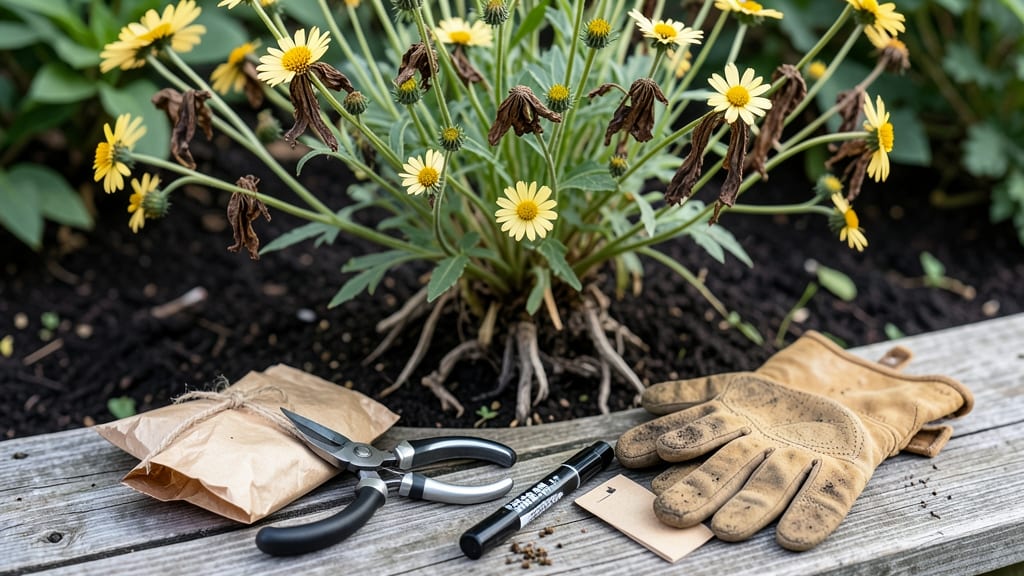
Harvesting Coreopsis seeds is the easiest way to save money and grow your favorite varieties year after year—if you know when and how to collect them before the wind takes over.
Picture this: your Coreopsis 🌼 plants have finished blooming, and those once-vibrant flowers have turned into dry, papery seed pods. If you miss this stage, the seeds scatter, and your hard work goes up in the breeze.
But with the right timing and technique, you can preserve these seeds for next season’s garden.
Not only does seed harvesting extend your garden’s beauty without buying new plants, but it also ensures you keep the exact colors and characteristics you love. Below, I’ll walk you through the perfect timing, how to spot ripe pods, and the simple steps to store them for planting.
By the end, you’ll have a stash of seeds ready to replant—saving time, money, and effort while keeping your garden thriving. Let’s get started!


When and how to identify ripe Coreopsis seed pods for harvesting
Harvesting Coreopsis seeds at the right time ensures you save high-quality seeds for next year's garden. The key is watching for visual maturity cues that signal the pods are ready. Miss this window, and the seeds will scatter naturally, leaving you with nothing to collect.
Let’s break down how to spot these ripe seed pods before they release their seeds into the wind.
Start by observing your Coreopsis plants in late summer or early fall, typically between August and October. This is when the flower heads transition from vibrant blooms to dried structures.
The first sign is when the petals fall away, leaving behind the central seed head. This is your first clue that the plant is preparing for seed dispersal.
Next, focus on the color and texture of the seed pods. Mature pods turn a dry, papery brown color, contrasting sharply with the green stems. If you gently shake the dried flower head, you’ll hear seeds rattling inside—a clear indication of readiness.
This rattling sound is one of the most reliable ways to confirm ripeness.
Another key behavior to watch is the withering of stems. As the seed pods mature, the stems supporting them begin to dry out and lose their rigidity. This natural withering is a sign that the plant is preparing for dormancy and that the seeds are nearly ready for harvest.
If you ignore these signs, the pods may split open, releasing seeds prematurely.
Here’s a quick reference to help you identify ripe Coreopsis seed pods:
| Stage | Visual Cues | Action |
|---|---|---|
| Early Maturity | Flower heads turn brown, petals fall | Monitor daily for drying progress |
| Mid Maturity | Seed pods become papery and brown | Check for rattling seeds |
| Full Maturity | Stems wither, seeds rattle loudly | Harvest immediately to prevent dispersal |
Timing your harvest is crucial because Coreopsis seeds disperse easily in windy conditions. If you wait too long, the pods may split open, and the seeds will scatter across your garden—or even beyond.
The best time to harvest is on a calm, dry day when the pods are fully mature but haven’t yet released their seeds.
Use a pair of clean scissors or pruning shears to snip the dried flower heads from the stem. Be sure to leave a small portion of the stem attached to the seed head, as this helps prevent moisture loss during the drying process.
Once harvested, place the seed heads in a paper bag or envelope to allow them to finish drying indoors.
If you’re unsure whether a seed pod is fully ripe, perform a simple test: gently squeeze the dried flower head. If the seeds inside feel firm and make a clear rattling noise, they’re ready for harvest.
If the seeds feel soft or don’t rattle, give the pod a few more days to mature. This seed rattling test is a foolproof way to avoid harvesting seeds too early.
Harvesting at the right time ensures your seeds remain viable and ready for planting next season. Once you’ve collected your Coreopsis seed pods, store them in a cool, dry place until you’re ready to sow them.
Proper timing and handling will give you a head start on next year’s garden and help you maintain the beauty of these drought-tolerant flowers for years to come.
With practice, you’ll become an expert at spotting ripe Coreopsis seed pods. Soon, you’ll be able to predict the best harvest window based on the plant’s behavior and the weather. Happy harvesting!
Best techniques for collecting and storing Coreopsis seeds long-term
Once you’ve identified your ripe Coreopsis seed pods, the next step is collecting them before they scatter. The best time to harvest is on a dry, calm day when the pods are fully brown and papery.
This usually happens in late summer or early fall, depending on your climate and variety.
Gently twist or cut the dried flower heads from the stem, leaving about 1-2 inches of stem attached. This helps prevent damage to the seed pods during handling. If you’re dealing with a large garden, consider harvesting in batches to avoid overloading your storage space.
⚠️ Warning: Avoid These Harvesting Mistakes
Don’t harvest seeds when pods are still green or partially dry—this reduces viability. Also, avoid harvesting after rain or high humidity, as moisture can cause mold or premature germination. Finally, never shake pods directly over your hand or storage container, as this can damage delicate seeds.
After harvesting, let the seed heads dry further in a well-ventilated, dry location for 1-2 weeks. Place them in a single layer on a paper towel or mesh screen to prevent mold.
Once completely dry, gently rub the pods between your fingers or use a small brush to release the seeds into a bowl.
For long-term storage, place the seeds in a paper envelope or breathable bag (never plastic, which traps moisture). Label each bag with the variety name and harvest date to track freshness.
Store them in a cool, dark place, like a seed vault or refrigerator, where they’ll stay viable for 2-3 years.
Before planting, test seed viability by placing 10 seeds on a damp paper towel in a sealed bag. Keep them in a warm location (70°F) for 7-10 days.
If 50% or more sprout, your seeds are ready for the garden. If not, try storing them for another year or check for mold or pests.
With these techniques, you’ll have a reliable seed supply for years to come, ensuring your Coreopsis garden stays as vibrant as ever—without spending a dime on new plants! 🌼