
How To
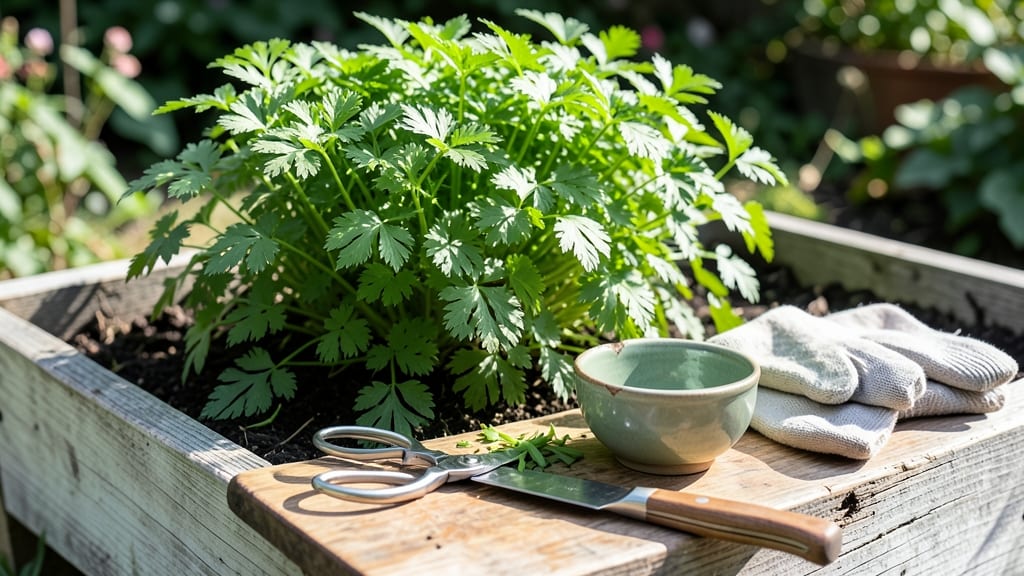
Harvesting culantro at the right time ensures those bright, citrusy leaves stay flavorful and keep coming back—no bitter surprises here.
If you’ve ever pulled a leaf and cringed at that sharp, soapy taste, you’re not alone. The secret? A simple stem twist test that tells you exactly when your 🌿 culantro is ready for the kitchen.
This herb thrives in USDA Zone 6a from June through October, but timing your harvest is everything. Cut too early, and you’ll get sparse regrowth; wait too long, and the leaves turn tough or bolt.
Below, I’ll walk you through the 3-step method to harvest like a pro—plus how to store what you pick so it stays fresh longer.
Ready to turn your garden into a flavor factory? Let’s get those leaves at their peak before they fade.


When to harvest culantro for maximum flavor using the stem twist test
Culantro, also known as recao or Mexican coriander, is a flavorful herb that reaches its peak when harvested at the right time. Unlike many herbs, culantro doesn't develop bitterness when overgrown—it actually bolts and flowers, which ruins its delicate flavor.
The stem twist test is my go-to method to determine when leaves are at their most flavorful and tender.
Timing your harvest correctly ensures you get the bright, citrusy flavor that makes culantro so special in dishes like soups, salsas, and stir-fries. Harvesting too early means small, underdeveloped leaves, while waiting too long leads to tough stems and a loss of that signature taste.
The key is catching those 4-6 inch leaves when they're fully mature but still tender.
Here's the secret: Culantro leaves are ready to harvest when they're dark green, glossy, and vibrant. The stem twist test is a foolproof way to check readiness without damaging the plant.
Simply grasp a stem near the base and twist gently—if it snaps cleanly with a slight resistance, the leaves are ready. If it bends without breaking, wait a few more days.
How to Perform the Stem Twist Test
1. Select a mature stem (about 6 inches tall) with 4-6 inch leaves that look dark green and glossy. Avoid stems with yellowing or woody sections.
2. Grasp the stem firmly about 1 inch above the base. Use your thumb and forefinger to create a twisting motion.
3. Twist gently but firmly—the stem should snap cleanly with minimal resistance. If it bends instead of breaking, the leaves aren't ready yet.
4. Harvest the entire stem at the base where it meets the soil. This encourages bushier regrowth and prevents the plant from becoming woody or leggy.
The ideal harvest window for culantro is typically 60-90 days after planting, depending on your climate. In warmer regions like USDA Zone 6a or higher, you can start harvesting as early as June, while cooler areas may need to wait until July or August.
Always check for fully developed leaves rather than relying solely on days since planting.
One of my biggest tips? Harvest in the morning after the dew has dried but before the heat of the day sets in. This ensures the leaves are at their freshest and most flavorful.
The morning sunlight hasn't yet stressed the plant, and the leaves are fully hydrated. Plus, harvesting early gives the plant time to recover and produce new growth before the evening.
Visual cues are just as important as the twist test. Look for leaves that are 4-6 inches long with a dark green color and a slightly waxy texture. Avoid harvesting leaves that are yellowing, curling, or showing signs of pests.
These are signs the plant is stressed or unhealthy, and the flavor will suffer. Healthy culantro leaves should feel tender and slightly crisp when pinched between your fingers.
If you're growing culantro in containers or pots, the harvest timing might differ slightly due to limited root space. Container-grown plants often mature 10-15 days faster than those in garden beds. Monitor their growth closely and use the twist test to avoid overharvesting.
Remember, culantro is a cut-and-come-again herb, so you can encourage continuous growth by harvesting outer leaves first and leaving the inner leaves to keep growing.
Proper harvesting also prevents bolting, which happens when culantro sends up a tall flower stalk. Bolting is triggered by stress, heat, or maturity, and once it starts, the leaves become bitter and tough. To avoid this, harvest regularly every 2-3 weeks and keep the plant well-watered.
If you notice the plant starting to bolt, harvest the remaining leaves immediately and consider replacing the plant if you want a fresh supply.
For maximum flavor retention, use your freshly harvested culantro within 3-5 days. Store the stems in a glass of water in the fridge, changing the water every 2 days, or wrap them in a damp paper towel and place them in a resealable bag.
This mimics the plant's natural environment and keeps the leaves crisp and flavorful longer. If you must store culantro for longer than a week, consider freezing the leaves in an ice cube tray with water or olive oil for later use.
By mastering the stem twist test and harvesting at the right time, you'll enjoy culantro leaves that are bursting with flavor all season long.
Whether you're using it in Vietnamese pho, Mexican salsa, or as a fresh garnish, proper harvesting ensures every bite is packed with that bright, citrusy punch that makes culantro a garden staple. Happy harvesting! 🌱
Step-by-step guide to harvesting culantro without damaging the plant
Harvesting culantro correctly ensures your plant stays healthy and produces flavorful leaves for months. Unlike cutting stems, which can shock the plant, the stem twist method promotes regrowth while keeping your herb thriving. This gentle approach also prevents the bitter taste that often develops when culantro is stressed or over-harvested.
Before you begin, gather just a few essential tools: a clean pair of sharp scissors (for trimming regrowth), a small bowl for leaves, and a damp cloth to wipe your hands.
Culantro can cause mild skin irritation in some people, so wear gloves if you're sensitive. Work in the morning hours when leaves are hydrated and full of flavor.
One common mistake is harvesting too many leaves at once, which can weaken the plant. Limit yourself to 2-3 outer leaves per stem during each session. If your culantro starts to bolt (flower), it’s a sign you’ve over-harvested—reduce frequency and focus on younger leaves.
After harvesting, monitor your plant for new growth signs, like fresh leaves sprouting from the base. If you notice yellowing or slow regrowth, your culantro may need more sunlight or nutrients. A light feeding with balanced fertilizer can boost recovery without overstimulating the plant.
With this gentle approach, you’ll enjoy a continuous harvest of flavorful culantro all season long—no bitter surprises here! 🌿