
How To
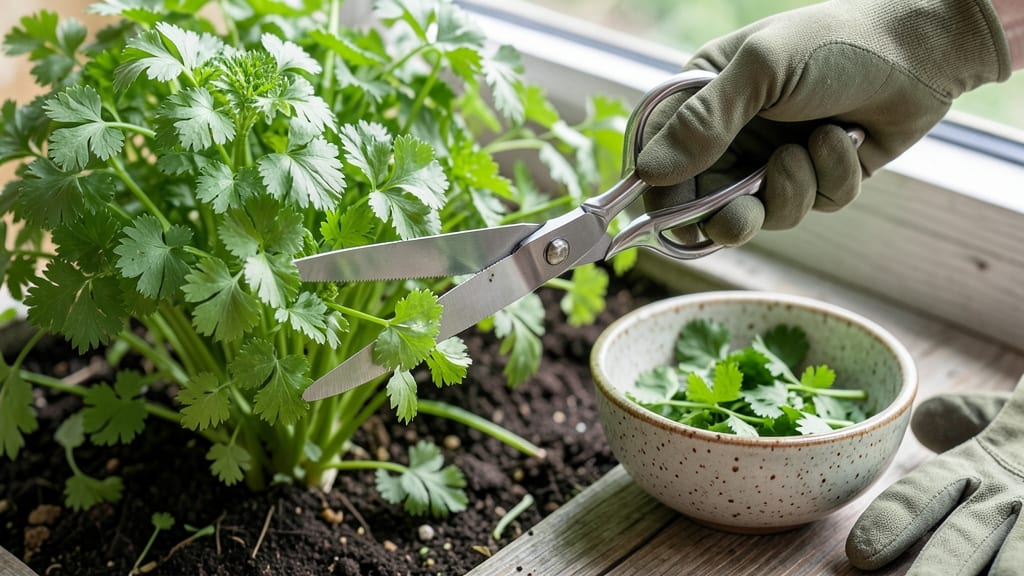
How to harvest parsley without killing the plant is all about technique—cutting from the base encourages thick, bushy regrowth instead of stunted stems, the key to a year-round supply of fresh leaves.
There’s nothing worse than snipping parsley only to watch it wilt into a sad, leggy shadow. The trick? Always cut just above a leaf node, never more than one-third of the plant at once, and you’ll keep your 🌿 parsley thriving for months.
Whether you’re a beginner or a seasoned gardener, the right technique makes all the difference. Below, I’ll walk you through the exact steps to harvest parsley without sacrificing future growth — plus common mistakes that kill your plant’s productivity.
By the end, you’ll know when to trim, which stems to avoid, and how to coax your parsley into a lush, continuous harvest that never quits.


The correct way to cut parsley for maximum regrowth
Parsley is one of those herbs that rewards patience and proper care with continuous harvests throughout the growing season. But if you're not careful, aggressive pruning can leave your plant looking stunted and stressed.
The key to keeping parsley lush and productive is understanding where and when to cut—and how much to leave behind.
Most gardeners make the mistake of snipping leaves from the center of the plant, which weakens the main growth point. Instead, parsley thrives when you trim from the outside inward, encouraging bushier, more abundant regrowth. This method also prevents the plant from becoming woody and unproductive over time.
How to Harvest Parsley Without Killing the Plant
- 1 Wait until stems are mature: Harvest only when the outer stems have 4-6 fully unfurled leaves (about 60-75 days after planting). Smaller leaves mean less regrowth potential.
- 2 Choose outer stems first: Select stems on the outer edges of the plant, leaving the center growth point intact. This prevents shocking the plant's main energy source.
- 3 Cut at a 45-degree angle: Use clean, sharp scissors or pruners and cut just above a leaf node (where new growth emerges). Avoid tearing stems, which can damage the plant.
- 4 Remove no more than 1/3 of the plant: Never harvest more than 30% of the foliage at once. This ensures the plant retains enough energy to recover and produce new growth.
- 5 Harvest in the morning: Trim stems when dew is still on the leaves (early morning). This ensures the highest flavor and moisture content, plus it gives the plant time to recover before evening.
- 6 Fertilize lightly after harvest: Apply a balanced 5-10-10 fertilizer (1 tbsp per plant) to replenish nutrients. Avoid heavy feeding, as parsley prefers lean soil for best flavor.
One of the biggest misconceptions about harvesting parsley is that you can cut the entire plant back at once. This is a recipe for disaster—parsley is a slow-growing biennial, meaning it takes time to recover. Instead, think of your harvests as gentle maintenance that encourages denser growth over time.
If you're growing parsley in containers or small gardens, space out your harvests even more carefully. Container-grown parsley has limited root space, so over-harvesting can lead to nutrient depletion and poor regrowth. In these cases, I recommend harvesting only every 4-6 weeks rather than weekly.
Another pro tip: Never harvest from the center of the plant, even if the outer leaves look mature. The center contains the apical bud, which drives all new growth.
Damaging it can permanently stunt your parsley's ability to regenerate. Think of it like pruning a tree—you always cut back from the outside.
After your first harvest, you'll notice new shoots emerging from the leaf nodes where you made your cuts. This is a sign of healthy regrowth and means you're doing it right!
With proper care, a single parsley plant can produce continuous harvests for 2-3 years, making it one of the most rewarding herbs to grow.
For year-round production, consider growing parsley in a protected environment like a greenhouse or under grow lights during winter. Even in cold climates, parsley can survive light frosts, but it stops growing actively below 40°F.
In these cases, reduce harvest frequency to once every 6-8 weeks to avoid stressing the plant.
Remember, the goal isn't to harvest as much as possible in one go—it's to encourage long-term productivity. By following these steps, your parsley will reward you with vibrant, flavorful leaves for seasons to come. Happy harvesting! 🌿
Common harvesting mistakes that stunt parsley growth
Even well-intentioned gardeners accidentally damage their parsley plants by making simple harvesting mistakes. These errors can leave your herb looking leggy and sparse instead of vibrant and productive. The good news? Most of these mistakes are easy to avoid once you know the signs.
I’ve seen parsley plants go from lush and green to woody and bare in just a few weeks because of these common blunders. Let’s tackle the top five mistakes that kill parsley regrowth—and how to fix them before it’s too late.
Never cut from the center of the plant. Always trim from the outer stems just above a leaf node. This encourages bushier regrowth and prevents woody stems.
Use clean, sharp scissors or pruners to avoid crushing stems. Remove no more than one-third of the plant at once to maintain energy for recovery.
The first mistake many gardeners make is cutting from the center of the parsley plant. This removes the most photosynthetic leaves, leaving the plant struggling to recover. Instead, always harvest from the outer stems first. This leaves the center intact to keep producing new growth.
Another common error is over-harvesting too frequently. If you snip too much at once, your parsley won’t have enough energy to bounce back. Stick to harvesting every 4-6 weeks and never take more than one-third of the plant in a single session.
Timing matters too—harvesting at the wrong time of day can stress your parsley. Always harvest in the morning after dew has dried but before the sun is too intense. This gives your plant time to recover before the heat of the day.
Some gardeners also make the mistake of harvesting immature leaves. Young, tightly curled leaves won’t regrow properly, and they lack the bold flavor you love. Wait until leaves are 4-6 inches long and fully unfurled before cutting.
Finally, avoid harvesting parsley in extreme heat or frost. Both conditions stress the plant, making it harder to recover. Stick to harvesting during mild temperatures for the best results and a continuous supply of fresh parsley.