How To
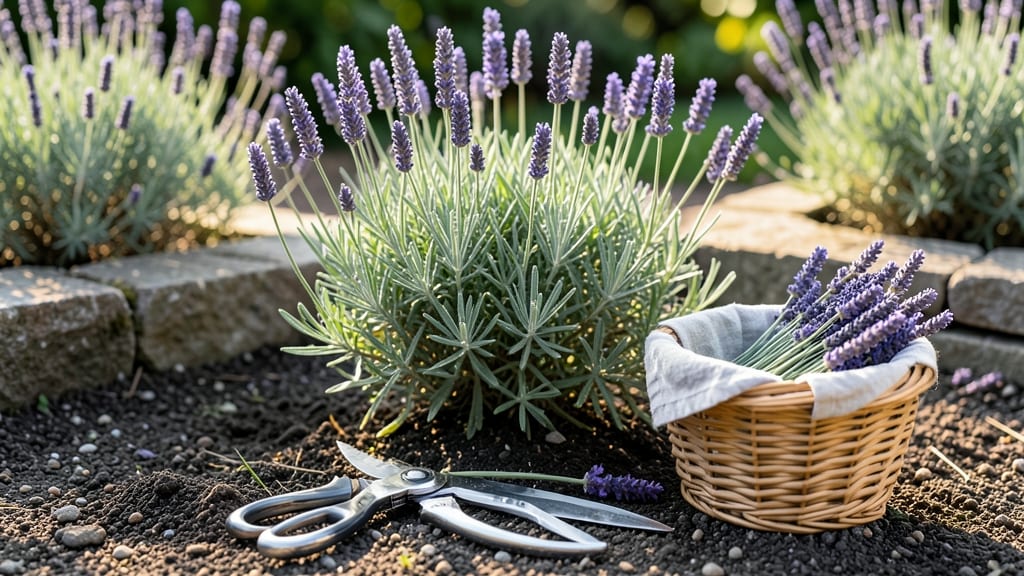
To harvest English lavender 🌿 at its peak, focus on timing and technique—cutting too early or late ruins the oil potency and fragrance that make it so valuable.
Picture this: you’ve nurtured your lavender all season, and now it’s ready to reward you with rich, aromatic blooms. But harvest at the wrong moment, and you’ll end up with weak stems or faded scent.
The secret? Knowing exactly when those buds are tight and just beginning to show color—before they open fully.
Why does timing matter so much? Because English lavender’s essential oils are most concentrated when the flowers are in their prime bud stage. Harvest too late, and the scent fades; too early, and the stems won’t hold up for drying.
Below, I’ll walk you through the best methods to cut, bundle, and preserve your harvest—so you can enjoy that signature lavender fragrance year-round.
You’ll also discover how to dry your lavender properly, whether you’re making sachets, culinary blends, or homemade potpourri. Ready to turn your garden into a fragrant treasure trove? Let’s get started.


When to harvest English lavender for maximum essential oil content
Harvesting English lavender at the wrong time can turn your fragrant garden treasure into a weak, low-oil plant. The peak harvest window occurs when flower buds are fully formed but still closed, typically between mid-July and early August in most USDA zones.
This timing ensures the highest essential oil content and fragrance intensity, which is crucial for culinary, medicinal, and aromatic uses.
Timing your harvest correctly isn't just about the calendar—it's about visual cues on the plant itself. Look for purple-tinged buds that are slightly elongated but haven't begun to open. The stems should feel woody and sturdy, not soft and green.
These indicators show the plant has reached its optimal oil production stage before the flowers fully bloom and start shedding petals.
Climate plays a surprising role in harvest timing. In cooler climates (USDA zones 3-5), lavender may reach harvest readiness 2-3 weeks later than in warmer zones (7-9).
Always harvest on mild, dry mornings when morning dew is present—this makes the stems easier to cut and preserves the plant's natural oils. Avoid harvesting after rain or in extreme heat, as these conditions can dilute the essential oil content.
One common mistake gardeners make is waiting until the flowers are fully open. By this stage, the essential oil content drops significantly, and the fragrance becomes less potent.
The bud stage is where lavender contains its highest concentration of linalool and linalyl acetate, the compounds responsible for its signature scent and therapeutic properties. Harvesting at this precise moment ensures you get the most aromatic yield from each plant.
| Harvest Stage | Visual Indicators | Best Time of Day | Oil Content Level |
|---|---|---|---|
| Early Bud Stage | Tight buds, no color | Morning | Low (not ideal) |
| Optimal Harvest Stage | Purple buds, slightly elongated | Early morning (dew present) | Highest (peak) |
| Late Harvest Stage | Flowers fully open | Avoid (oil content drops) | Low (reduced potency) |
| Seasonal Window | Mid-July to early August | Cool, dry mornings | Variable (depends on climate) |
Understanding the plant's growth cycle helps you predict harvest times more accurately. English lavender typically takes about 90-120 days from planting to reach its first harvestable stage. If you planted seeds in early spring, you can expect your first harvest in mid-summer.
For established plants, you'll see a second flush of buds in late summer, which can also be harvested following the same guidelines.
Pay attention to the stem hardness as another key indicator. When stems are woody and firm, they've matured enough to support the flower heads without breaking. Soft, green stems indicate the plant isn't ready yet.
This physical characteristic is particularly important when harvesting larger stems, as they need to be sturdy enough to hold the weight of the flower clusters during drying.
Harvesting too early can stunt the plant's growth, while harvesting too late reduces oil potency. Aim to take one-third of the plant's growth at each harvest to maintain its health. This practice encourages regrowth and future flowering, ensuring your lavender plant remains productive for years.
For example, if your plant is 2 feet tall, harvest about 6-8 inches of growth from each stem, leaving enough foliage to continue photosynthesis.
Seasonal variations also affect harvest timing. In cooler maritime climates, lavender may flower later in the season, sometimes extending the harvest window into early September. Conversely, in hot, dry climates, the flowering cycle may accelerate, bringing the harvest window forward to late June or early July.
Always monitor your specific plant's progress rather than relying solely on calendar dates.
One pro tip I use is to mark harvest-ready stems with a small piece of colored twine or ribbon. This visual cue helps me quickly identify which parts of the plant are ready without having to inspect every stem.
It's especially useful when harvesting large lavender plants with multiple flowering branches. This method saves time and ensures I'm only cutting the most mature, oil-rich sections.
Remember that consistent harvesting maintains plant health and encourages continuous flowering. If you skip harvests, the plant may become overloaded with flowers, leading to weaker stems and reduced oil quality in subsequent harvests.
By following these timing guidelines and visual cues, you'll consistently produce high-quality lavender with maximum essential oil content for all your gardening and crafting needs. 🌿
Step-by-step harvesting techniques to preserve lavender quality
Harvesting English lavender correctly is an art that balances timing, technique, and gentle handling. The right method ensures your lavender retains its signature fragrance and essential oils, while the wrong approach can leave you with limp stems and faded scent.
I’ve perfected my process over years of gardening, and today, I’m sharing the exact steps I use to harvest lavender that stays vibrant for months.
First, let’s talk about the tools you’ll need. A sharp pair of pruning shears or garden scissors is essential—dull blades crush stems, which can damage the plant and reduce oil quality.
I also recommend wearing gloves to protect your hands from the tiny hairs on lavender stems, which can irritate sensitive skin. Grab a bucket with water to place your cuttings immediately after harvesting, and have a drying rack or paper bags ready for post-harvest care.
Now, let’s dive into the step-by-step process. The key is to work efficiently in the early morning, when the stems are hydrated from morning dew and the essential oils are at their peak concentration. Here’s how I do it:
After harvesting, resist the urge to trim the stems further—leaving the lower leaves helps protect the buds during drying. Once your lavender is fully dried, you can strip the leaves from the stems for culinary use or leave them intact for potpourri and sachets.
Store dried lavender in airtight containers away from light to preserve its aroma for up to a year.
Pro tip: If you’re harvesting lavender for fresh use, like in salads or teas, use it within 3-5 days of cutting. For the best results, store fresh lavender in the fridge wrapped in a damp paper towel to maintain moisture and fragrance.
With these techniques, you’ll enjoy lavender that’s as potent and fragrant as the day you harvested it.
🌿