
How To
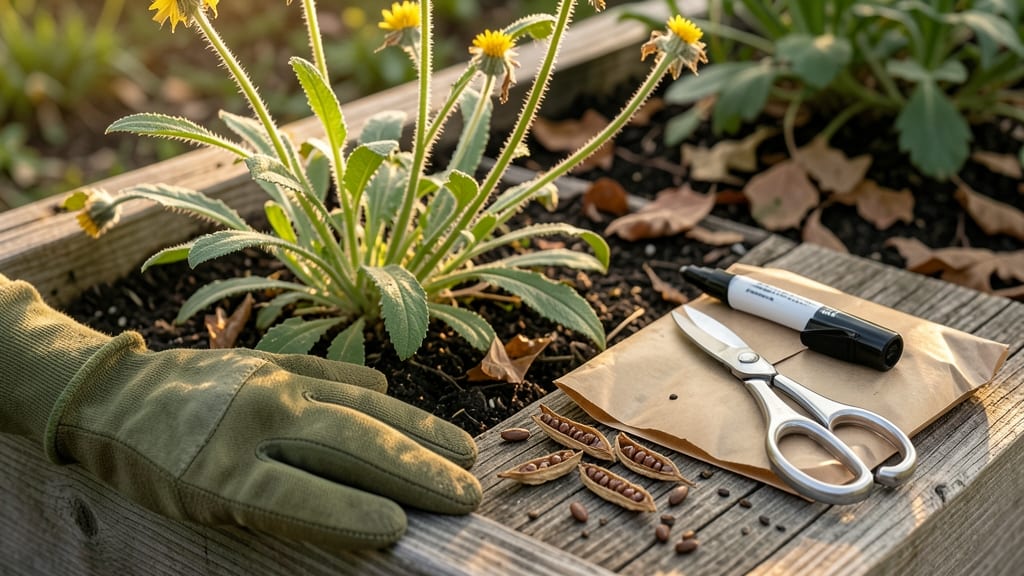
To harvest evening primrose seeds, wait until the pods turn brown and split open naturally 🌸—this is when the seeds are at their most viable and ready for collection.
Evening primrose seeds are prized for their medicinal and culinary uses—but harvesting them at the right moment ensures you collect viable, high-quality seeds instead of empty pods.
Knowing when to harvest is the key to avoiding wasted effort. If you pick the pods too early, the seeds won’t be fully developed, and if you wait too long, they’ll scatter on the ground.
In this guide, I’ll walk you through the exact signs to look for, how to gently collect the seeds, and the best way to store them for future planting or crafting.


When and how to identify evening primrose seed pods ready for harvesting
Harvesting evening primrose seeds at the perfect moment ensures you collect the most viable seeds for future planting or crafting. The key is watching for visual and textural changes in the seed pods that signal they're ready.
When the pods transition from green and firm to brown and papery, that’s your cue. This color shift typically happens in late summer to early fall, depending on your climate and growing conditions.
Evening primrose pods often crack open naturally when mature, releasing seeds. If you hear a dry, papery cracking sound when you gently touch the pods, they’re ready for harvest—don’t wait too long, or the seeds will scatter.
Another telltale sign is the seeds inside turning dark and plump. Immature seeds are light-colored and shriveled, while fully mature seeds are deep brown or black and firm to the touch.
Timing is everything—harvest too early, and the seeds won’t germinate well. Wait too long, and you’ll lose them to wind or wildlife. The ideal window is when 50-70% of the pods have turned brown and begun to split.
If you’re unsure whether the pods are ready, perform a simple gentle squeeze test. Hold a pod between your fingers and press lightly—if it cracks open easily and seeds spill out, it’s time to harvest. If it resists, wait a few more days.
Morning is the best time to harvest because the dew is off the pods, making them easier to handle. Avoid harvesting after rain, as moisture can cause the pods to rot or attract mold.
Collect only the dry, mature pods—discard any that are still green or show signs of damage. Use clean, sharp pruning shears or scissors to snip the pods from the stem, leaving a small portion attached to prevent seed loss.
Once harvested, place the pods in a paper bag or breathable container to allow them to finish drying indoors. This prevents premature seed release and ensures you capture every viable seed.
Step-by-step process for collecting and storing evening primrose seeds
Once you’ve spotted the ready-to-harvest evening primrose pods, act quickly to collect them before the seeds scatter. The process is simple but requires gentle handling to avoid damaging the delicate seeds or pods.
Start by wearing gardening gloves to protect your hands from potential skin irritation, as evening primrose can sometimes cause mild allergic reactions. Grab a clean, dry paper bag or envelope—these materials prevent moisture buildup, which can ruin your seeds.
Work on a dry, sunny day when humidity is low. This ensures the pods stay crisp and the seeds remain viable. Avoid harvesting after rain, as damp conditions can lead to mold or premature seed spoilage.
- Step 1: Identify Mature Pods
Look for brown, papery pods that easily split open when touched. These are ready for collection. - Step 2: Gently Remove Pods
Twist or pinch the pods at the base to detach them from the stem. Place them directly into your paper bag. - Step 3: Extract Seeds
Open the pods carefully and shake them over the bag to release the seeds. Avoid crushing the seeds or pods. - Step 4: Dry Seeds Fully
Spread seeds on a clean, dry surface (like parchment paper) in a well-ventilated area for 3-5 days. - Step 5: Store Properly
Once completely dry, transfer seeds to an airtight container (like a glass jar) with a silica gel packet to absorb moisture.
After drying, store your seeds in a cool, dark place like a pantry or seed vault. Label the container with the harvest date—evening primrose seeds remain viable for up to 3 years if stored correctly.
For crafting purposes, like making seed paper or jewelry, you can skip the drying step and use freshly harvested seeds. Just ensure they’re completely dry before gluing or embedding them.
If you notice any discoloration or mold during storage, discard the affected seeds immediately to prevent spoilage of the entire batch. 🌸