
How To
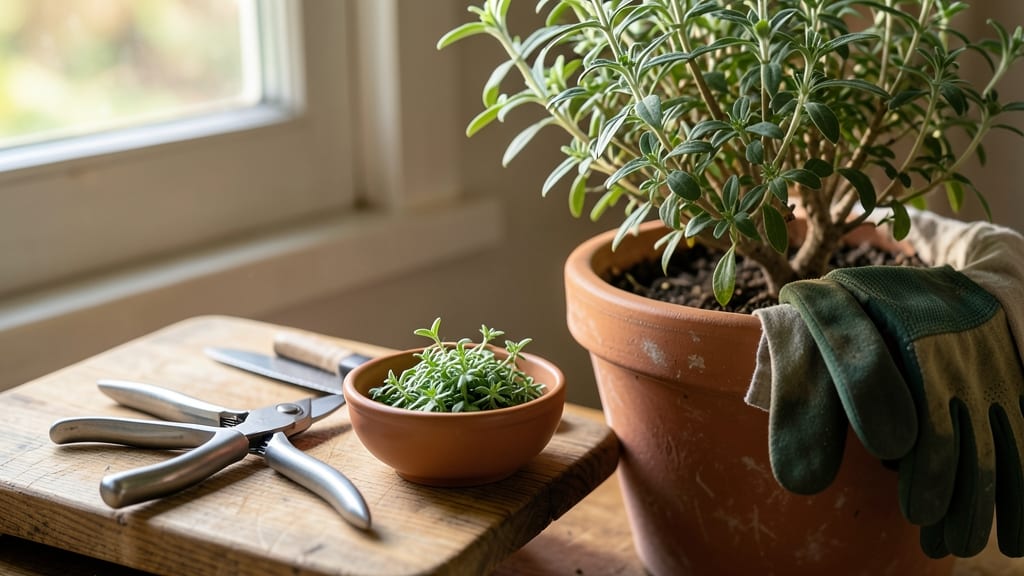
Harvesting fresh oregano the right way ensures a bountiful supply of flavorful leaves all season long 🌿—without overstressing your plant.
Snipping too much or at the wrong time can leave your oregano leggy and flavorless, but timing it just right keeps it bushy and aromatic. The secret? Cutting stems in the morning after the dew dries, when oils are most concentrated.
This guide covers the best tools, how much to trim, and when to stop—so you can enjoy a steady harvest from June through September without sacrificing your plant’s health.
You’ll also learn how to store your harvest for long-term use, whether you’re drying it for winter cooking or freezing it for quick meals.


Best time to harvest oregano for maximum flavor and plant health
Timing is everything when harvesting oregano. The morning hours, just after dew dries but before the sun peaks, deliver the most potent flavor and oil content in the leaves. This is when volatile oils—the compounds responsible for that signature aroma—are at their peak.
If you must harvest later, aim for late afternoon to avoid the wilting stress of midday heat.
Seasonal timing also matters. Early summer, when your oregano is 6-8 inches tall and stems feel woody, is the ideal harvest window.
But don’t ignore late summer harvests either—just avoid cutting back more than one-third of the plant at once. Fall harvests can still yield flavorful leaves, but growth slows as temperatures drop, so prioritize younger stems over mature ones.
Never harvest oregano flowers if you want leafy regrowth. While the tiny white blooms are edible, removing them encourages the plant to produce more aromatic foliage. If you’re growing oregano for seeds, allow a few stems to flower and set seed, then harvest those separately.
The key is balance—harvest flowers only if you’re not relying on the plant for leaves.
Your oregano’s maturity level directly impacts flavor. Young leaves (harvested from new growth) are milder, while older leaves near the base pack more intense flavor.
For the strongest oregano, target mid-sized stems with 3-4 sets of leaves. These stems offer the perfect balance of aroma and regrowth potential.
If your oregano looks leggy or sparse, it’s begging for a harvest-induced trim. Pruning woody stems back by one-third encourages bushier growth and denser foliage.
Just avoid cutting into old, bare stems—these won’t regrow. Instead, focus on green, leafy stems with visible nodes (the bumps where leaves attach).
One common mistake is harvesting oregano leaves individually instead of cutting entire stems. This damages the plant and slows regrowth. Always use clean, sharp pruners or scissors to snip stems just above a leaf node. This method promotes healthier regrowth and stronger stems over time.
For container-grown oregano, timing matters even more. Potted plants have limited root space, so harvesting too aggressively can stress the plant. Stick to smaller cuts (just a few stems per harvest) and fertilize lightly after pruning to support recovery.
In-ground oregano, however, can handle more frequent harvests thanks to its sprawling root system.
Pro tip: Crush a few leaves before harvesting to test flavor. If they smell weak or grassy, your plant may need more sunlight or balanced fertilizer. Strong, pungent oregano should make your nose tingle—this is your cue that harvest time is perfect.
Save weaker batches for infusions or teas where flavor isn’t as critical.
By mastering these harvest windows, you’ll enjoy year-round oregano that’s bursting with flavor while keeping your plant lush and healthy. Just remember: morning cuts, stem-focused pruning, and seasonal awareness are your secrets to success. 🌿
Step-by-step oregano harvesting technique to boost regrowth
Harvesting oregano correctly is the secret to a lush, flavorful plant that keeps producing all season. Unlike many herbs, you should never pull individual leaves—this weakens the plant and stunts regrowth. Instead, focus on pruning stems just above leaf nodes to encourage bushier growth and stronger flavor.
Start harvesting when your oregano reaches 6-8 inches tall and has at least 4-6 sets of leaves. This usually happens 60-90 days after planting, depending on your climate. Waiting too long to harvest can lead to woody stems and reduced flavor intensity.
⚠️ WARNING: Common Mistakes That Kill Your Oregano
Over-harvesting can stress the plant. Never remove more than 1/3 of the plant in a single session—this ensures regrowth stays vigorous.
Harvesting flowers too early reduces flavor. Wait until after flowering to prune back for next year’s growth.
Use sharp, clean pruning shears or scissors to make clean cuts. Avoid tearing stems, which can expose the plant to pests and fungal infections. For container-grown oregano, trim stems to 3-4 inches above the soil to encourage fuller regrowth.
For leggy or sparse plants, prune back by half their height in early spring. This forces the plant to branch out and become denser. Always harvest in the morning after dew dries—this ensures the highest oil content and flavor in the leaves.
After harvesting, let the cuttings air-dry for 1-2 hours before storing or using. This prevents moisture buildup, which can cause mold. For year-round harvests, prune lightly every 4-6 weeks during the growing season (spring to fall).
With the right technique, your oregano will stay bushy, aromatic, and productive for years. Happy harvesting! 🌿✂️🌱