
How To
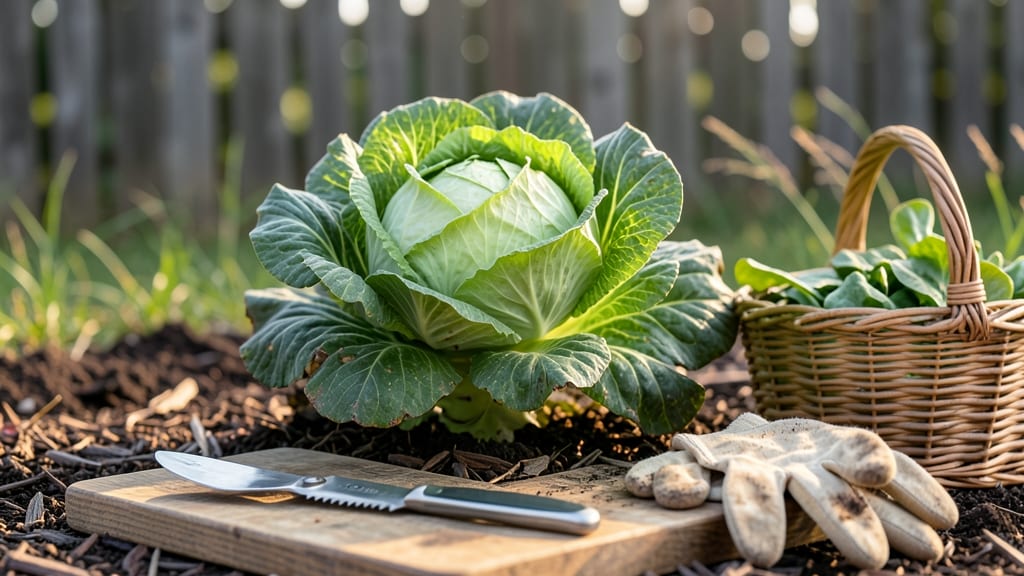
To harvest iceberg lettuce at its crispest, cut the head when it reaches 6 inches wide and the outer leaves are firm but not rock-hard 🥬 — timing is everything for that perfect crunch.
Picture this: you’ve nurtured your iceberg lettuce for weeks, and now it’s time to reap the rewards. But wait too long, and you’ll end up with a bitter, bolted mess instead of the fresh, crisp heads you’ve been dreaming of.
The difference between a perfect harvest and disappointment often comes down to knowing exactly when to pick and how to handle it afterward.
In this guide, I’ll walk you through the ideal harvest window, the best tools to use, and the simple tricks to keep your lettuce fresh for weeks after cutting.
Whether you’re a first-time gardener or a seasoned green thumb, these tips will ensure your iceberg lettuce stays as crisp as the day you pulled it from the soil.
From recognizing the perfect signs of readiness to storing your harvest like a pro, you’ll discover how to extend the life of your lettuce and avoid common mistakes that turn great harvests into wilted disappointments. Let’s get started!


When to harvest iceberg lettuce for maximum crispness & flavor
Timing your iceberg lettuce harvest correctly is the secret to enjoying crisp, sweet heads that stay fresh for weeks. Harvest too early, and you’ll get loose, underdeveloped leaves. Wait too long, and your lettuce may bolt (send up a flower stalk) or develop bitter flavors.
The ideal window is when your plants reach 60 days after sowing, but visual cues matter more than days alone.
For outdoor gardens, aim to harvest iceberg lettuce in spring (May-June) or fall (September-October) when temperatures stay cool. In warmer climates, focus on fall harvests to avoid heat stress. Indoor-grown lettuce follows the same rules but may mature slightly faster due to controlled conditions.
Look for these 3 key harvest signs to ensure perfect timing: outer leaves should measure 4-6 inches, the head should feel firm but not rock-hard, and the color should remain crisp white or pale green. If leaves start yellowing or the head loosens, it’s past its prime.
| Harvest Cue | Outdoor Timing | Indoor Timing | What to Avoid |
|---|---|---|---|
| Head Size | 6-8 inches wide | 5-7 inches wide | Loose, underdeveloped heads |
| Leaf Firmness | Crisp, slightly resistant | Firm, not wilted | Soft, easily torn leaves |
| Color | Crisp white/pale green | Uniform pale green | Yellowing or brown edges |
| Temperature | Below 75°F (24°C) | Consistent 60-70°F (15-21°C) | Heat stress (bolting risk) |
| Growth Stage | Fully mature head | Tightly wrapped leaves | Flower stalk emergence |
Seasonal adjustments are crucial for iceberg lettuce grown outdoors. In spring, harvest when daytime temps stay below 75°F (24°C). For fall crops, aim to harvest before first frost (typically late September-October in Zone 6a).
If you’re growing indoors under grow lights, your lettuce may mature 5-7 days earlier than outdoor plants.
Never harvest iceberg lettuce during the hottest part of the day (10 AM–4 PM). The ideal harvest time is early morning when temperatures are coolest and leaves are most crisp.
Use a sharp knife or clean scissors to cut the head about 1 inch above the base—this prevents damage to the root system and encourages regrowth for leaf-by-leaf harvesting.
One common mistake is harvesting iceberg lettuce by pulling the entire plant from the soil. This damages the roots and stresses the plant. Instead, always use a clean cutting tool to sever the stem cleanly.
For continuous harvests, you can also snip outer leaves individually, leaving the inner core intact to regrow for 2-3 more harvests.
If your iceberg lettuce starts to bolt (sends up a tall flower stalk), it’s a sign you’ve missed the harvest window. Bolting occurs when lettuce experiences heat stress or long daylight hours.
To prevent this, use shade cloth in summer or opt for fall planting in warmer climates. Once bolting begins, the leaves will turn bitter and tough, making them inedible.
For indoor growers, monitor your lettuce’s progress closely since controlled environments can accelerate growth. If your plants reach harvest size in 45-50 days instead of the usual 60 days, they’re ready.
Indoor lettuce also benefits from 12-14 hours of light daily—use a timer for your grow lights to maintain consistency and prevent bolting.
After harvesting, store your iceberg lettuce properly to maintain crispness. Wrap the head in a damp paper towel and place it in a sealed plastic bag in the crisper drawer of your fridge.
This method can extend freshness by up to 2 weeks. For longer storage, consider freezing the lettuce in ice cube trays with water for smoothies or soups.
Step-by-step harvesting techniques to preserve iceberg lettuce quality
Harvesting your iceberg lettuce at the perfect moment ensures maximum crispness and flavor. The wrong timing or technique can lead to bitter taste or premature wilting, so let’s focus on the proven methods that keep your harvest fresh for weeks.
Whether you’re cutting the whole head or harvesting leaves individually, these steps will make all the difference.
Before you begin, gather your tools: a sharp knife or pruning shears, a clean cutting board, and a large bowl for storage. Avoid dull tools, as they crush the leaves and accelerate spoilage.
The best time to harvest is in the early morning, when temperatures are cool and the lettuce is at its crispest.
- Step 1: Inspect the head for firmness and color. Press gently—ready heads feel tight and compact, not loose or wilted.
- Step 2: Choose your method: whole-head harvest (cut at base) or leaf-by-leaf harvest (snip outer leaves). For whole heads, leave 1 inch of stem to encourage regrowth.
- Step 3: Use a sharp knife at a 45-degree angle to cut cleanly. Avoid tearing leaves, which bruises the head and shortens shelf life.
- Step 4: Handle heads gently—never stack them or store them in direct sunlight. Place in a shady, cool spot immediately after harvesting.
- Step 5: Rinse only before eating (not post-harvest). Excess moisture speeds up spoilage. Pat dry with a paper towel if needed.
- Step 6: Store in a plastic bag with a paper towel to absorb moisture. Place in the crispest drawer of your fridge (usually the bottom shelf).
If you’re harvesting leaves individually, focus on the outer leaves first to encourage the inner head to grow larger. This method works well for extended harvests but requires more frequent checks. Avoid cutting more than one-third of the leaves at a time to prevent stress on the plant.
Temperature plays a critical role in post-harvest quality. Store iceberg lettuce between 32°F and 40°F to slow down enzymatic browning and maintain crispness. If your fridge isn’t this cold, consider a cooling unit or root cellar for long-term storage.
Never store lettuce near ethylene-producing fruits like apples or bananas, as they accelerate spoilage.
With these techniques, your iceberg lettuce will stay fresh for 2-3 weeks in the fridge—long enough to enjoy salads all season long. The key is timing, sharp tools, and gentle handling, so don’t rush the process. Happy harvesting! 🥬