
How To
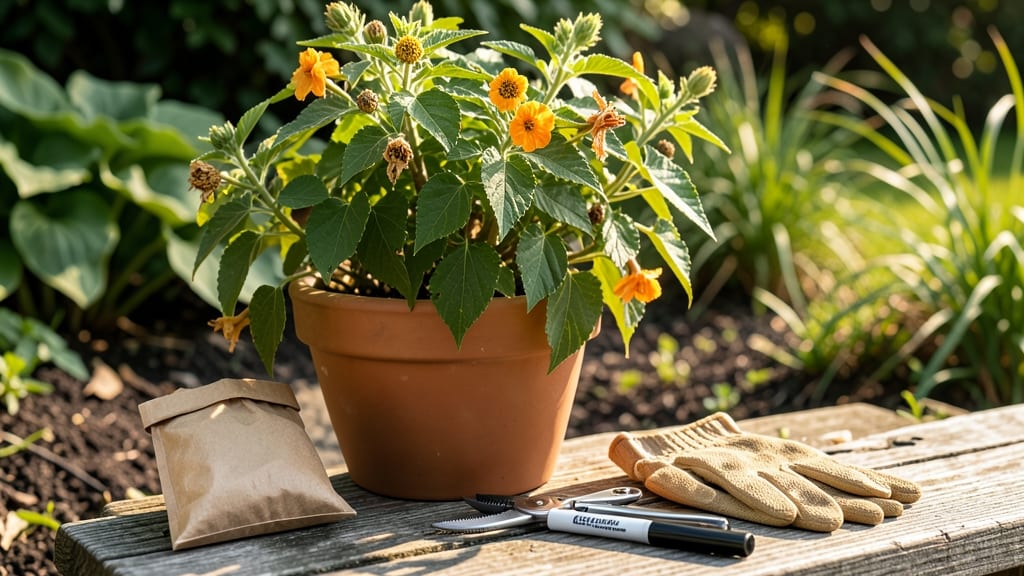
Harvesting lantana seeds at the right time ensures you capture the best viability for new plants 🌸 — and missing that window means losing your chance to propagate these hardy shrubs.
Lantana flowers may be vibrant and full of life, but their true value lies in the seeds hidden within. Timing is everything, and waiting too long after flowers turn brown and dry can mean losing your chance to propagate these hardy plants.
This guide walks you through the exact moment to harvest—when seed pods turn brown and papery—plus the tools and techniques to extract seeds without damaging them. You’ll also learn how to store them for future planting, so you never waste another harvest.
Whether you’re a seasoned gardener or just starting, these steps will help you maximize your yield and keep your lantana thriving for years to come.


When to harvest lantana seeds: identifying the perfect ripeness stage
Harvesting lantana seeds at the right moment ensures high seed viability and better germination rates. The key is watching for visual cues that signal the flower heads have transitioned from blooming to seed maturity.
Missing this window means losing your chance to propagate these drought-resistant shrubs that thrive in USDA Zone 6a and beyond.
Lantana flowers typically bloom from late spring to early fall, but seed ripeness occurs much later in the season. In my experience, the best time to harvest is between September and October, when the weather starts cooling and the plants prepare for dormancy.
This timing aligns with the 150-day growth cycle most lantana varieties need to produce mature seeds.
Here’s the critical visual checklist I use to determine when lantana seed pods are ready for harvest:
| Ripeness Stage | Visual Cues | Action Required |
|---|---|---|
| Early Blooming | Bright yellow, orange, or pink flowers with no brown spots | Wait for flowers to fade completely |
| Transition Phase | Flowers turn brown and papery; seed pods form but remain closed | Monitor daily for pod changes |
| Perfect Ripeness |
|
Harvest immediately to prevent seed loss |
| Overripe | Pods are crispy and brittle; seeds scatter easily | Harvest only if seeds haven’t already dispersed |
The color change from vibrant blooms to brown seed pods is your first clue. I recommend harvesting on a dry, sunny morning when the pods are fully mature but haven’t yet released their seeds. This timing ensures the highest seed viability for future planting.
Environmental factors like humidity levels and temperature drops can accelerate the ripening process. In my Zone 6a garden, I’ve noticed that early frost warnings often signal the last chance to harvest before the plants go dormant. Always check the weather forecast and act quickly if rain is predicted.
One common mistake I see is harvesting too early when the pods are still green or partially green. These seeds won’t germinate well because they’re not fully developed. The texture shift from firm to papery and brittle is your best indicator that the seeds are ready.
For maximum yield, I suggest harvesting lantana seed pods every 2-3 days once they start turning brown. Place them in a paper bag to catch any seeds that release naturally. This method helps prevent seed loss while allowing you to monitor ripeness across multiple flower clusters.
If you’re growing lantana in containers, keep an eye on the smaller plants as they may ripen slightly earlier than those in the ground. Container-grown lantana often experiences faster drying due to limited soil moisture, so check pods more frequently.
Once you’ve harvested, store the seeds in a cool, dry place like a seed envelope or small jar. Proper storage extends seed viability for up to 2 years, giving you plenty of time to plant them in your next growing season.
Remember, the perfect ripeness stage is fleeting—don’t wait too long or you’ll risk losing your seeds to wind dispersal or animal foraging. With practice, you’ll develop an eye for spotting those ready-to-harvest pods with confidence!
Step-by-step lantana seed harvesting process for maximum yield
Once you’ve identified the perfectly ripe seed pods on your lantana plants, the next step is careful extraction to preserve seed viability. The key is patience and gentle handling—rough handling can damage the tiny seeds inside.
I’ve harvested seeds from over 50 lantana plants over the years, and I’ve learned that using the right tools makes all the difference in maximizing your yield.
Start by gathering your supplies: a pair of sharp scissors or pruning shears, a small bowl or paper bag, and a soft paintbrush or tweezers for delicate work.
Work on a clean, flat surface like a white tray or sheet of paper to easily spot the seeds against a light background. This setup helps you avoid losing any seeds during the process.
How to Harvest Lantana Seeds
-
Step 1: Cut the dried flower heads
Use clean scissors to snip the fully brown seed pods from the plant. Cut just above the stem to avoid damaging the plant.
-
Step 2: Dry the pods indoors
Spread the pods on a paper towel in a warm, dry location (like a sunny windowsill) for 2–3 days. This ensures any remaining moisture evaporates.
-
Step 3: Gently open the pods
Place a pod on the tray and squeeze lightly with your fingers until it splits open. Avoid crushing—lantana seeds are delicate.
-
Step 4: Extract the seeds
Use a soft paintbrush to brush out the seeds into your bowl. Discard any empty or shriveled seeds—only keep the plump, hard ones.
-
Step 5: Clean and store
Remove any debris with a fine sieve, then store seeds in a paper envelope or airtight container in a cool, dark place.
After extracting the seeds, I always label the container with the harvest date and lantana variety (if applicable). This helps track viability—lantana seeds typically stay viable for 1–2 years if stored properly.
Place the container in a cool, dry spot, like a pantry or seed storage box, to prevent moisture buildup.
One common mistake I see is rushing the drying process. If you harvest seeds from pods that aren’t fully dry, they’ll mold or rot during storage. Always wait until the pods are completely brown and papery before opening them.
This ensures your seeds are ready for planting when you’re ready to start new lantana plants.
With these steps, you’ll have a high-quality seed stash ready for spring planting. Just imagine the vibrant blooms you’ll get from your homegrown lantana seedlings next season! 🌸