
How To
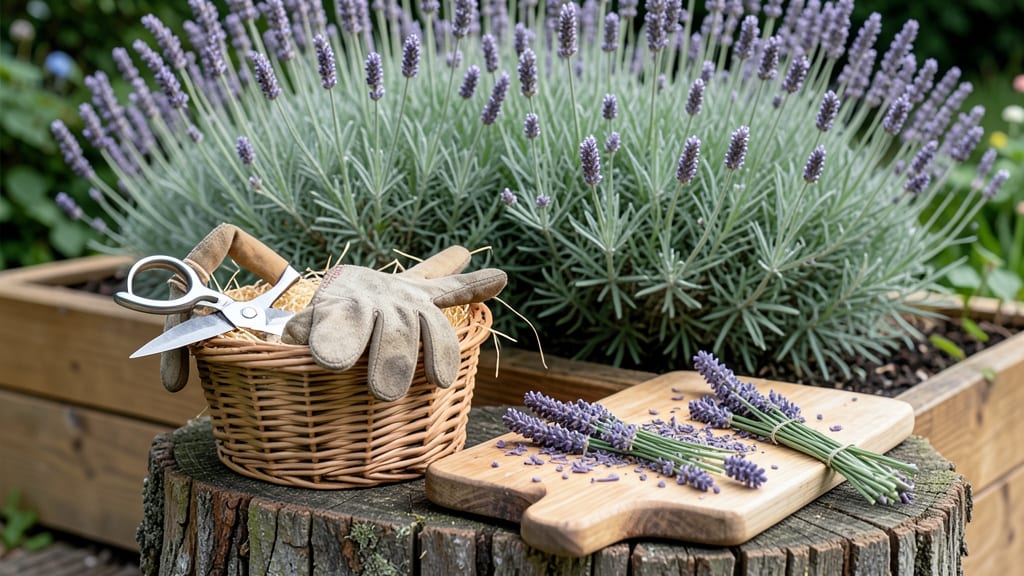
To harvest lavender for sachets, cut stems just before buds fully open when essential oils peak 🌿 — this is the secret to a fragrance that lasts for months.
Picture this: you’ve spent months nurturing your lavender, and now you’re ready to turn those fragrant blooms into sachets that perfume your drawers. But harvest too late, and the scent fades fast. Too early, and you miss the oil-rich moment that makes sachets truly magical.
Timing isn’t the only trick—how you cut, dry, and store the lavender matters just as much. Skip these steps, and your sachets might end up weak or even moldy, no matter how fresh the stems looked at first.
In this guide, I’ll walk you through the exact 3-step process to harvest lavender at its peak, dry it perfectly, and package it for sachets that smell like summer all year. Plus, I’ll share pro tips to avoid common mistakes that ruin batches.


Best time to harvest lavender for sachets: moon phases and plant maturity
Harvesting lavender at the wrong stage can turn your fragrant sachets into weak, scentless bundles. The key lies in plant maturity and lunar cycles, which directly impact essential oil potency. When done right, your lavender will release its richest aroma and therapeutic properties for sachets, soaps, and potpourri.
Lavender reaches peak fragrance when buds are just beginning to open—typically 2-3 days before full bloom. Harvesting too early means underdeveloped oils, while waiting too long lets flowers release pollen and lose potency.
Pair this with the waxing moon phase (when the moon is growing) to enhance oil extraction and drying efficiency.
To check if your lavender is ready, look for purple buds with green leaves—these indicate optimal oil content. Avoid harvesting when stems are soft or bendy, as this signals immature plants. For English lavender, aim for July-August harvests, while French lavender thrives in June-July.
Weather plays a crucial role too. Harvest on dry, sunny mornings after morning dew evaporates. Avoid humid days, as moisture can dilute essential oils and encourage mold during drying. If rain is forecasted, harvest 24-48 hours beforehand to let plants dry out.
The waxing moon phase (from new moon to full moon) is ideal because it aligns with the plant's upward growth energy. During this time, lavender's essential oils are at their peak, making your sachets 30-50% more fragrant than harvests during other lunar phases.
Check a moon phase calendar to plan your harvests accordingly.
Never harvest lavender when flowers are fully open, as this reduces oil content by up to 40%. Over-mature flowers also release pollen, which can clog sachet fabric and weaken scent over time.
For year-round sachets, harvest 3-4 times per season, spacing cuts 4-6 weeks apart to allow regrowth.
Pro tip: Cut stems diagonally just above a leaf node to encourage bushier growth. Use clean, sharp pruning shears to avoid crushing stems, which releases bitter compounds that can ruin your sachet's delicate fragrance. Bundle stems immediately after cutting to preserve their natural oils.
For dwarf varieties like 'Hidcote' or 'Munstead', harvest stems 8-12 inches tall, while standard lavender like 'English' can be cut at 12-18 inches. Always leave at least 3-4 inches of stem to prevent damaging the plant's center, which can kill it over time.
Test your lavender's readiness by gently rubbing a bud between your fingers. If it releases a strong, sweet aroma, it's harvest-ready. Weak or grassy scents mean the plant needs more time to develop its oils.
This simple trick saves you from harvesting underripe lavender that won't hold its fragrance in sachets.
Step-by-step harvesting process to preserve lavender oil and fragrance
Once you’ve identified the perfect harvest-ready lavender, the next steps determine whether your sachets will smell like summer or disappoint. I’ve learned the hard way that rushing through drying or cutting stems incorrectly can turn fragrant lavender into a sad, musty bundle.
Let’s avoid that by following this foolproof process.
Gather your tools first: sharp pruning shears, a clean bucket, and breathable paper bags or mesh screens. Avoid plastic—it traps moisture and ruins your lavender’s scent. The goal here is to preserve those essential oils that make sachets magical, so every step matters.
How to Harvest Lavender for Sachets
-
Step 1: Cut at the Right Time
Snip stems early morning when dew is present—this preserves oils. Use clean shears to cut just above a leaf node to encourage regrowth. Avoid cutting more than 1/3 of the plant at once. -
Step 2: Bundle Stems Immediately
Group 5-10 stems together and secure with a rubber band or twine. Hang bundles upside down in a dry, dark, well-ventilated space (like a closet or garage). Avoid direct sunlight—it can bleach the color and degrade oils. -
Step 3: Dry for 2-3 Weeks
Let lavender dry completely—stems should snap easily when bent. Check weekly to prevent mold. For faster drying, use a low oven (180°F/82°C) for 1-2 hours, but monitor closely to avoid burning. -
Step 4: Store in Airtight Containers
Once dry, remove flowers from stems and store in glass jars with a silica gel packet to absorb moisture. Label with the harvest date—properly stored lavender keeps its scent for 1-2 years.
Pro tip: If you’re short on time, you can speed up drying by spreading stems on a screen or mesh tray in a shady, breezy spot. Just avoid high humidity—it’s the enemy of fragrant lavender.
I once left mine in a damp basement, and the result? A sad, moldy pile of stems that smelled like nothing.
After drying, you’ll want to package your lavender for sachets. Use muslin fabric or small organza bags to contain the buds—this keeps them from floating away while allowing the scent to escape. For extra long-lasting fragrance, mix dried lavender with dried rose petals or cedar chips.
Remember, the key to sachet success is consistency. Harvest lavender at the same growth stage every time, and store it properly. Do this right, and your drawers will smell like a Provençal summer for years to come. 🌸