
How To
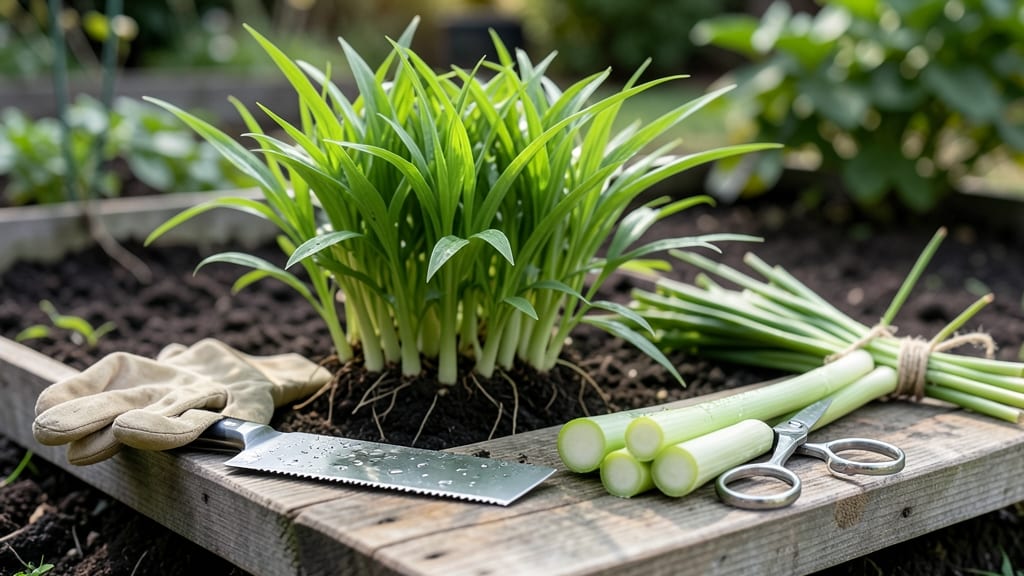
To harvest lemongrass at its peak flavor, you’ll want stalks that are at least 12 inches tall with fully unfurled, deep green leaves—this is when the citrusy aroma hits just right.
Lemongrass isn’t just a kitchen staple—it’s a hardy perennial that rewards patience with bold citrusy flavor, but harvesting it at the right time and technique makes all the difference between pungent perfection and bitter disappointment.
Think you’re ready to harvest? Try the stem twist test: grasp a stalk near the base and gently twist. If it snaps cleanly with a slight resistance, that’s your cue—it’s mature enough for cutting without harming future regrowth.
In this guide, I’ll walk you through the exact timing, tools, and steps to harvest lemongrass while keeping your plant thriving, plus how to store your bounty for maximum freshness.


When and how to perform the stem twist test for optimal lemongrass harvest
Harvesting lemongrass at the right time ensures maximum flavor and healthy regrowth. The stem twist test is my go-to method to determine peak harvest readiness. This simple technique helps avoid harvesting too early (when flavor is weak) or too late (when stalks become woody and bitter).
Whether you're growing lemongrass in containers or in-ground, this test works universally.
Timing your harvest correctly also prevents plant stress and ensures your lemongrass keeps producing for years. The twist test focuses on the base of the stalk, where the plant's energy is concentrated.
When performed correctly, it guarantees you're harvesting at the optimal maturity stage—when essential oils are most potent and leaves are fully developed.
Visual cues like stalk height and leaf color are important, but the twist test provides a tactile confirmation that's hard to beat. For best results, perform the test on mature stalks (12-18 inches tall) with fully unfurled leaves. This method works year-round in tropical climates and during warm months in temperate zones.
| Harvest Stage | Stem Twist Test | Stalk Height | Leaf Color | Flavor Intensity |
|---|---|---|---|---|
| Too Early | Stem bends but doesn't snap | Under 10 inches | Pale green | Mild, weak |
| Optimal | Stem snaps cleanly at base | 12-18 inches | Deep green, glossy | Strong citrus |
| Overripe | Stem resists twist, fibers visible | Over 24 inches | Yellowing at base | Bitter, harsh |
| Perfect Harvest Window | Clean snap with slight resistance | 14-16 inches | Uniform green | Balanced sweetness |
To perform the stem twist test, select a healthy stalk that's at least 12 inches tall. Grip the base firmly with one hand and twist gently with the other. A clean snap at the base indicates optimal maturity—this means the stalk has reached its peak essential oil concentration.
If the stalk bends but doesn't break, it's not ready yet.
Seasonal timing matters too. In tropical climates, you can harvest year-round, but flavor peaks during spring and summer when growth is most vigorous. In cooler zones, wait until after the last frost when temperatures consistently stay above 60°F (15°C).
Avoid harvesting during drought stress or after heavy rain, as these conditions affect flavor quality.
After confirming readiness with the twist test, cut the stalk at a 45-degree angle, leaving about 2-3 inches of growth above the soil line. This encourages multiple side shoots to grow from the base.
I always use clean, sharp pruners to prevent disease transmission and ensure clean cuts that heal quickly.
One common mistake is harvesting too many stalks at once. Never remove more than 30% of the plant's foliage in a single harvest. This preserves the plant's energy for regrowth and maintains its vigor. I recommend harvesting every 2-3 months during peak growing seasons to balance yield and plant health.
For container-grown lemongrass, the twist test works the same way, but be extra cautious not to over-harvest since space is limited. In-ground plants can handle slightly more frequent harvesting due to their larger root systems. Always monitor your plant's response—healthy regrowth means you're harvesting at the right time and technique.
Pro tip: Store harvested lemongrass in a sealed container in the fridge for up to 2 weeks, or freeze the lower portion (where flavor is most concentrated) for long-term use. This preserves the citrusy aroma you worked so hard to cultivate through proper harvesting techniques.
Step-by-step harvesting techniques to preserve lemongrass plants for future growth
Harvesting lemongrass correctly ensures your plant stays healthy and produces more stalks for future use. The key is precision—cutting at the right height and angle while leaving enough growth to regenerate.
I’ve perfected this process over years of growing my own, and today I’ll share exactly how to do it without sacrificing your plant’s future harvests.
Before you grab your pruning shears, gather your tools: a sharp pruner or knife, a bucket of water to store cut stalks, and a spray bottle for post-harvest care.
The right tools make all the difference between a messy harvest and a clean, professional cut that encourages regrowth. Trust me, your future self will thank you!
How to Harvest Lemongrass for Regrowth
-
Step 1: Select Mature Stalks
Choose stalks that are 12-18 inches tall with fully unfurled leaves. Press the base—it should feel firm and woody, not soft or hollow. -
Step 2: Cut at the Right Angle
Use your pruner or knife to make a clean cut about 1-2 inches above the soil line. This prevents rot and encourages new shoots to emerge from the base. -
Step 3: Leave 3-4 Stalks Standing
Never harvest more than 1/3 of the stalks at once. Leave 3-4 mature stalks to photosynthesize and feed the plant for regrowth. -
Step 4: Store Fresh Stalks Properly
Place cut stalks in a bucket of water (like flowers) in the fridge. They’ll stay fresh for 2-3 weeks, ready for cooking or drying. -
Step 5: Fertilize After Harvest
Mix 1 tbsp of balanced fertilizer (10-10-10) into the soil and water deeply. This jumpstarts regrowth and keeps your plant thriving for the next harvest.
After harvesting, your lemongrass plant will need a little TLC to bounce back. Water the base thoroughly to replenish moisture lost during cutting, and avoid fertilizing for 2 weeks to let the roots recover.
I’ve found that mulching with compost or straw helps retain moisture and protects the base from pests.
If you’re storing harvested lemongrass long-term, consider drying the stalks. Hang them upside down in a warm, dry place for 1-2 weeks, then strip the leaves and store them in an airtight container. Dried lemongrass keeps its flavor for 6-12 months, making it a pantry staple year-round.
One common mistake I see is harvesting too aggressively—don’t strip all the leaves from a stalk! Leave the lower 6 inches intact to shield the growing point. Over-trimming stresses the plant and can lead to stunted regrowth or even death.
Patience is key—your lemongrass will reward you with bold, flavorful stalks for years to come.
With these techniques, you’ll master the art of harvesting lemongrass while keeping your plant happy and productive. Soon, you’ll have a steady supply of fresh stalks for cooking, teas, or even homemade essential oils. Happy harvesting! 🌿✂️🌱